3 weeks ago
The Crush Effect: Attraction Boosts Happiness, Confidence and Motivation

Have you ever felt happy and excited when you see someone special?
That feeling is called having a crush.
Scientists say having a crush can actually make you feel better.
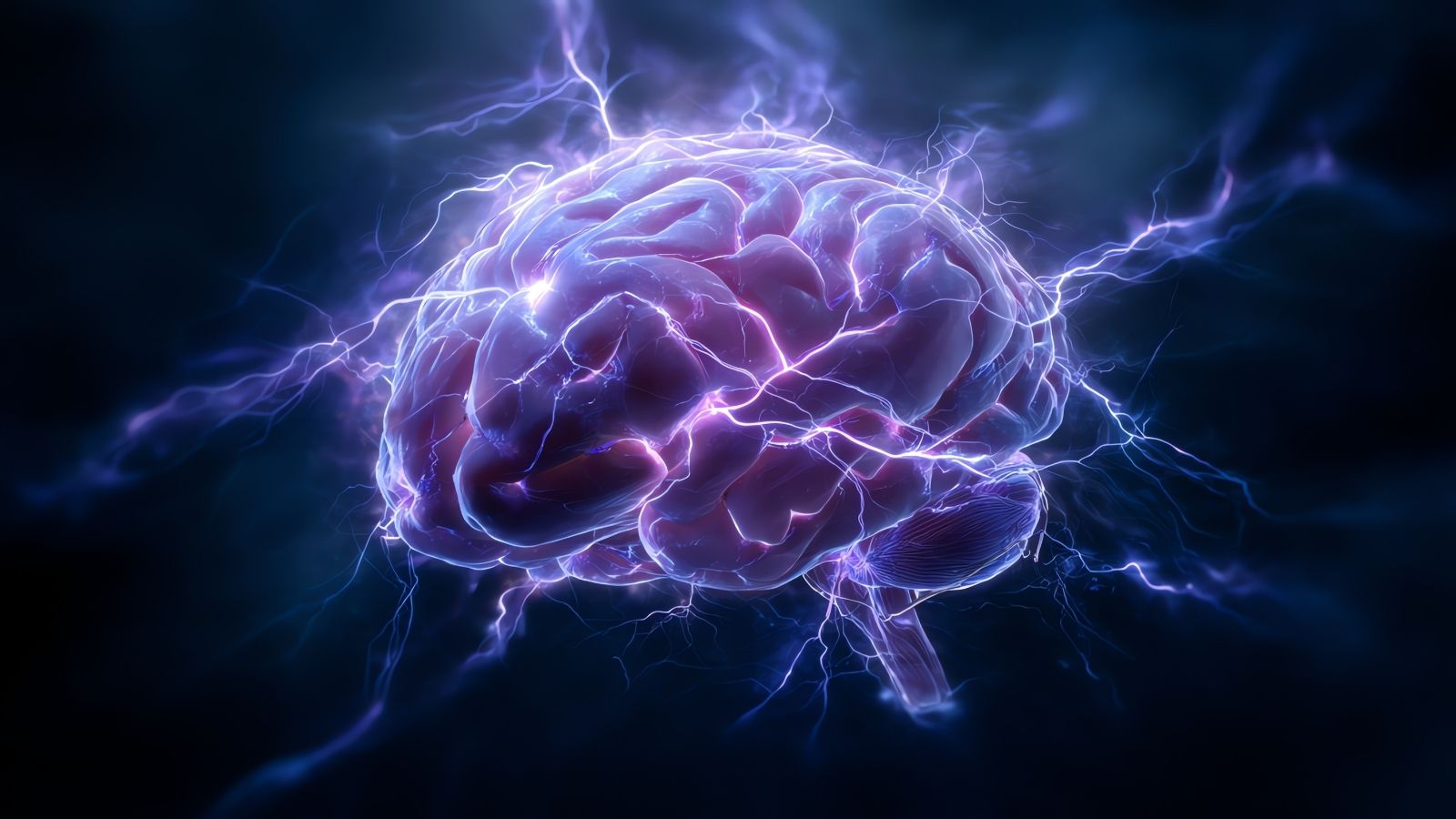
It turns on parts of your brain that make you feel happy and excited.
Your brain releases special chemicals like dopamine and oxytocin.
These chemicals make you feel more confident and want to connect with others.
Having a crush might also make you want to dress nicely or try new hobbies.
But it's important that a crush doesn't take over your day.
If you think about the person too much, it can make you feel sad or worried.
Experts say it's best to enjoy the feeling but keep doing your schoolwork and other fun things too.

Psychologists and neuroscientists say crushes can temporarily boost mood, confidence, motivation and social engagement.
Dr. Madhur Rathi explains that a crush activates the brain's reward circuitry, raising dopamine and oxytocin levels while serotonin temporarily fluctuates.
Dr. Gupta notes a healthy crush can reduce the perception of everyday stress and encourage better self-care and positive interactions with others.
Experts warn that unreciprocated or all-consuming feelings can contribute to anxiety, emotional distress and low self-esteem.
The emotional impact of a crush varies by personality, emotional maturity, family environment and cultural expectations.
- Who
- Psychologists and neuroscientists, including Dr. Madhur Rathi (Consultant) and Dr. Praveen Gupta (Chairman, MAIINS)
- What
- An explanation of how having a crush can positively affect emotional well-being through brain reward pathways and neurochemical changes
- Where
- Not specified in the article
- When
- Not specified in the article
- Why
- To highlight how attraction, hope and anticipation shape mood, confidence and motivation, while cautioning against unreciprocated or all-consuming feelings
Positive Effects View
Cautionary View
Impact of crushes on well-being
Positive Effects View
Crushes boost mood, confidence and motivation by activating the brain's reward circuitry, making people feel happier, more optimistic and more socially engaged.
Cautionary View
Unreciprocated or all-consuming crushes can cause anxiety, emotional distress and low self-esteem, especially in people already vulnerable to depression or anxiety disorders.
Nature of crushes
Positive Effects View
Crushes are a natural part of emotional development, especially in adolescence, and can be a happy and positive experience.
Cautionary View
There is no conclusive research-backed evidence that crushes are inherently good or bad; their effect depends on personality, maturity and environment, and they can become distractions.
Key facts
- Main topic
- Psychological and neurological effects of having a crush
- Brain chemicals involved
- Dopamine, oxytocin, serotonin
- Key experts
- Dr. Madhur Rathi (Consultant); Dr. Praveen Gupta (Chairman, MAIINS)
- Potential benefits
- Improved mood, optimism, confidence, motivation, social engagement and self-care
- Potential risks
- Anxiety, emotional distress and low self-esteem when feelings are unreciprocated or all-consuming
- Expert recommendation
- Maintain realistic expectations and healthy boundaries so feelings do not interfere with studies, work or relationships
Quotes
Dr. Madhur Rathi
Consultant and neuroscientist
“From a neuroscience perspective, developing a crush activates the brain's reward circuitry, particularly areas associated with motivation, pleasure, and emotional learning. Dopamine levels rise, creating feelings of excitement, anticipation, and increased energy, which is why people often feel happier and more optimistic when they have a crush.”
 deccanchronicle.com
Sources
Related news
Scientists identify 'motivation cells' that keep us working for rewards

Global Brain Scientist Brings Positive Thinking Science to Kohinoor Managers

Siddhant Chaturvedi's 'rainy day ASMR': why certain sounds feel good

Gurudev’s Viral Three-Hour Dialogue Reaches India’s Gen Z