1 week ago
Readers Debate UPI Charges and Foreign-Currency Inflow Management

Several readers wrote about proposed charges on some UPI payments and about foreign-currency inflows.
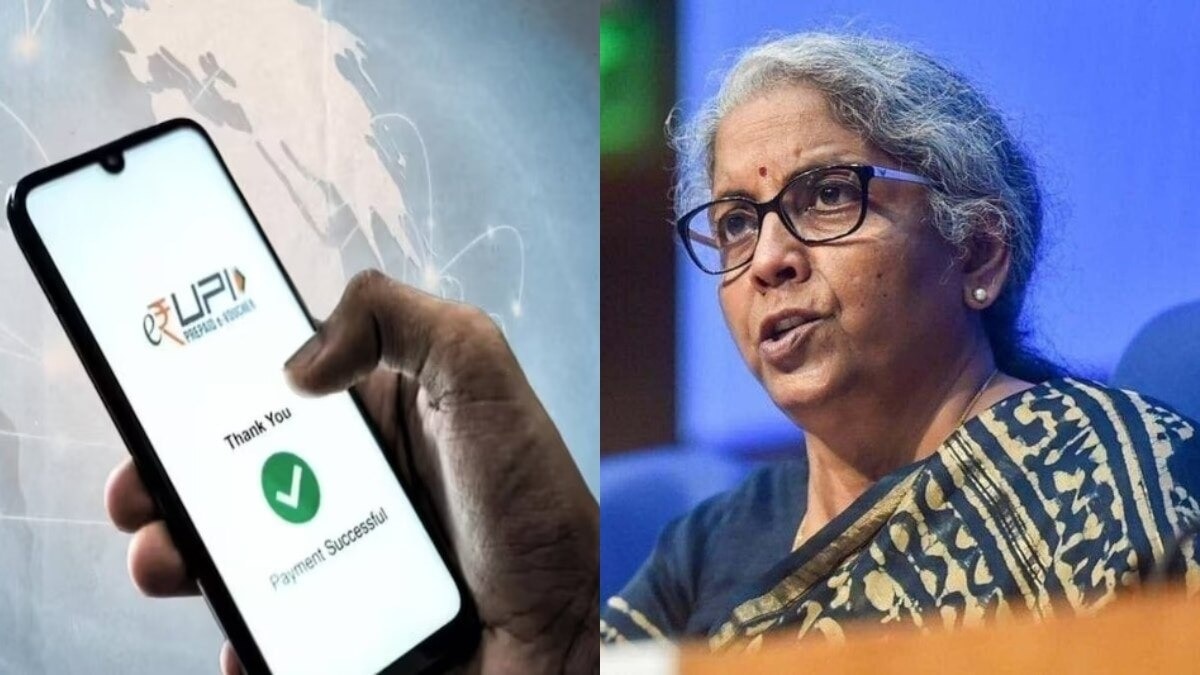
The proposed merchant charge is 0.4 per cent for eligible transactions above ₹2,000.
One reader thinks users may not pay the charge directly, but worries that merchants could pass it on or ask for cash.
Another reader says people now depend heavily on UPI, so switching back to cash would be difficult.
The reader also questions whether having one dominant payment system gives people enough choice.
A third reader praised a cartoon suggesting that merchants might price goods at ₹1,999.
A separate letter said large foreign-currency inflows can help the economy but may also create policy challenges.
It urged the Reserve Bank of India to choose its tools carefully and explain its decisions clearly.

A 0.4 per cent merchant MDR on eligible UPI transactions above ₹2,000 is scheduled to take effect on October 15.
One reader says the charge may create little direct cost for users but could cause psychological pressure and encourage cash payments.
Another says UPI’s widespread use makes opting out difficult and warns that dependence may weaken consumer choice.
A cartoon about pricing items at ₹1,999 is praised as a humorous response to the proposed charge.
A reader urges the Reserve Bank of India to carefully manage large foreign-currency inflows and communicate its policy choices transparently.
- Who
- Readers, consumers, merchants, trader bodies, and the Reserve Bank of India are discussed.
- What
- Letters debate a proposed 0.4 per cent merchant MDR on eligible UPI transactions above ₹2,000 and the management of large foreign-currency inflows.
- Where
- The letters came from Chennai, Rohtak in Haryana, Mumbai, and Coimbatore.
- When
- The letters were published on September 17, 2026; the UPI charge is described as effective October 15.
- Why
- Writers are concerned about possible cash payments, consumer dependence on UPI, merchant pass-through of costs, and the policy effects of foreign-currency inflows.
Concerns About Charges
Limited Immediate Impact
Effect on users
Concerns About Charges
The charge could create psychological pressure, encourage merchants to demand cash, or lead them to pass costs on to consumers.
Limited Immediate Impact
The 0.4 per cent merchant MDR is not expected by one reader to impose any direct additional burden on users.
Dependence on UPI
Concerns About Charges
Because UPI is widely used and difficult to abandon, introducing charges could make dependence more consequential and weaken consumer choice.
Limited Immediate Impact
UPI’s convenience has benefited consumers and merchants, while the charge may encourage merchants to rethink pricing rather than directly affect users.
Managing foreign-currency inflows
Concerns About Charges
Excess liquidity could create distortions or incentives for short-term capital if it is not carefully absorbed.
Limited Immediate Impact
Large inflows can ease immediate pressures and support adequate liquidity for productive economic activity if policy is calibrated carefully.
Key facts
- UPI charge
- A 0.4 per cent merchant MDR is described for eligible transactions above ₹2,000.
- Effective date
- The charge is stated to take effect on October 15.
- Potential concern
- Readers warn that merchants may insist on cash or recover the cost from consumers.
- Consumer dependence
- One letter says UPI has become deeply embedded in everyday transactions.
- Foreign-currency inflows
- Large inflows are described as both an opportunity and a policy challenge.
- Policy tools mentioned
- Foreign-exchange swaps, open-market operations, and other instruments are suggested for consideration.
- Recommended approach
- The Reserve Bank of India is urged to assess inflow durability and communicate policy choices transparently.
Sources
Related news

New UPI MDR Charges Raise Fears of Cash Return

UPI Fee Plan Sparks Fears of Cash’s Return

Traders Split Over UPI Charge on Large Payments

UPI Charges Push Delhi Retailers Toward Cash Payments

UPI MDR Raises Fears Small Shops Could Return to Cash

India Plans UPI Merchant Fees With Small-Merchant Exemptions

Small UPI MDR Reshapes Capital-Market Payment Economics
Readers Debate UPI Charges, Markets, Forex and India’s Growth
New UPI MDR Applies to Select Merchant Payments
Sitharaman Defends UPI MDR Decision Against Opposition Pressure Claims

Three-Day Bank Strike Threatens Cheque Clearing and Branch Services