13 hrs ago
UPI MDR Raises Fears Small Shops Could Return to Cash
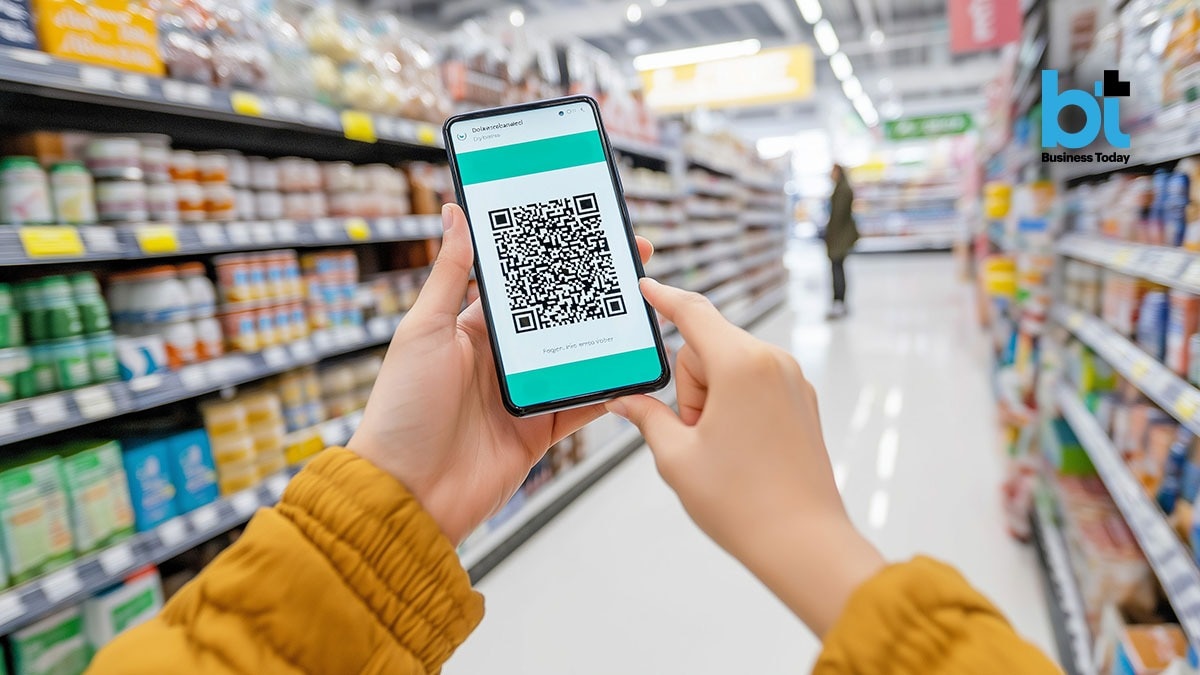
UPI is a system that lets people pay digitally using their phones.
It is used for purchases ranging from tea and groceries to utility bills.
A new fee called MDR may be charged to some merchants when customers pay through UPI.
Very small merchants receiving up to Rs 1 lakh each month through UPI will not pay it.
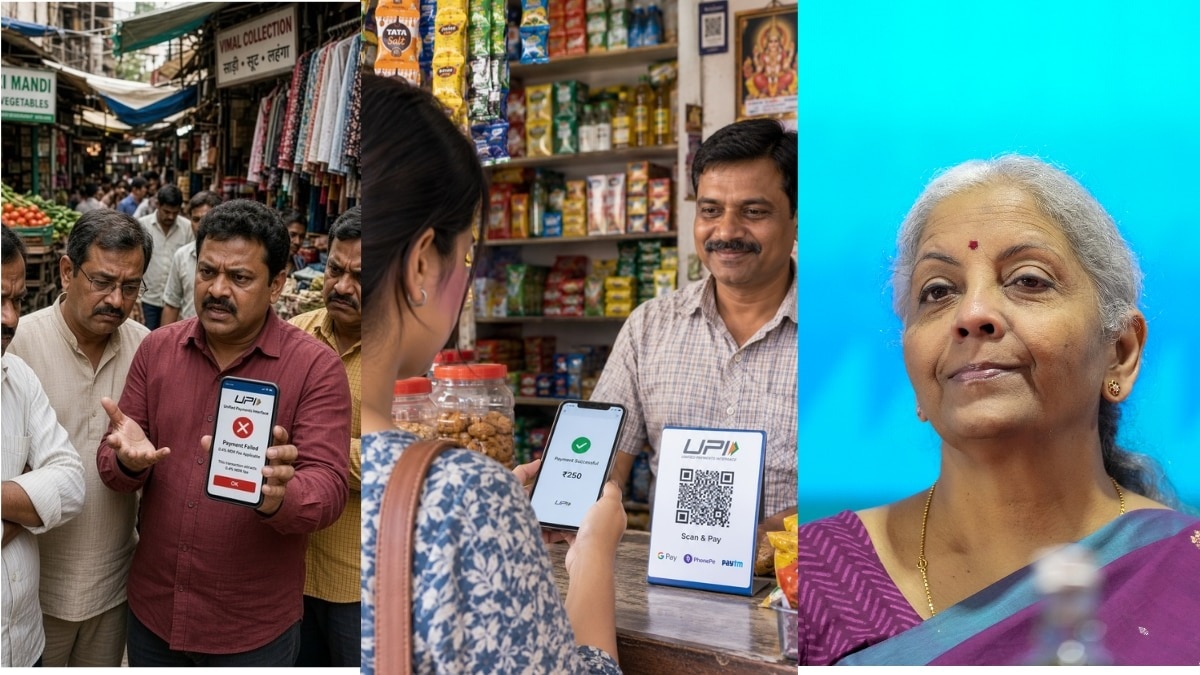
However, some people say this limit is too low for many street vendors and small shops.
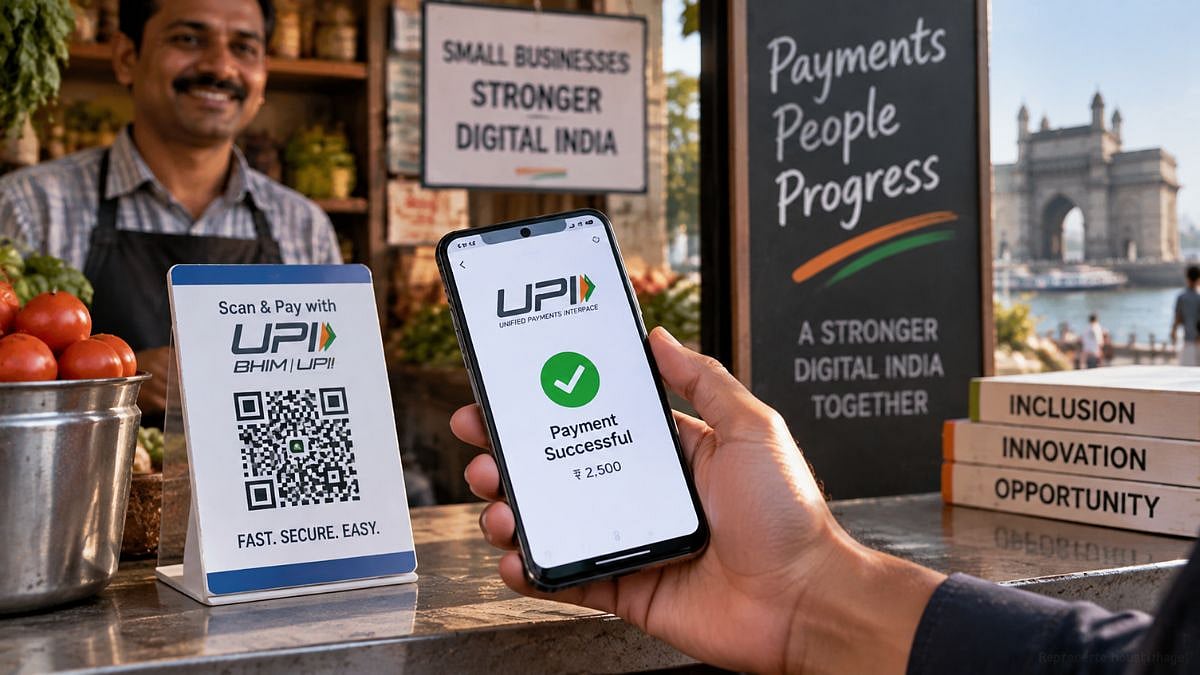
Supporters say the fee will help pay for safer systems, better technology and fraud prevention.
Critics worry that small shops may return to cash or quietly raise prices.
The government says customers should not be charged directly.
The main challenge is keeping UPI affordable while making the payment system financially sustainable.

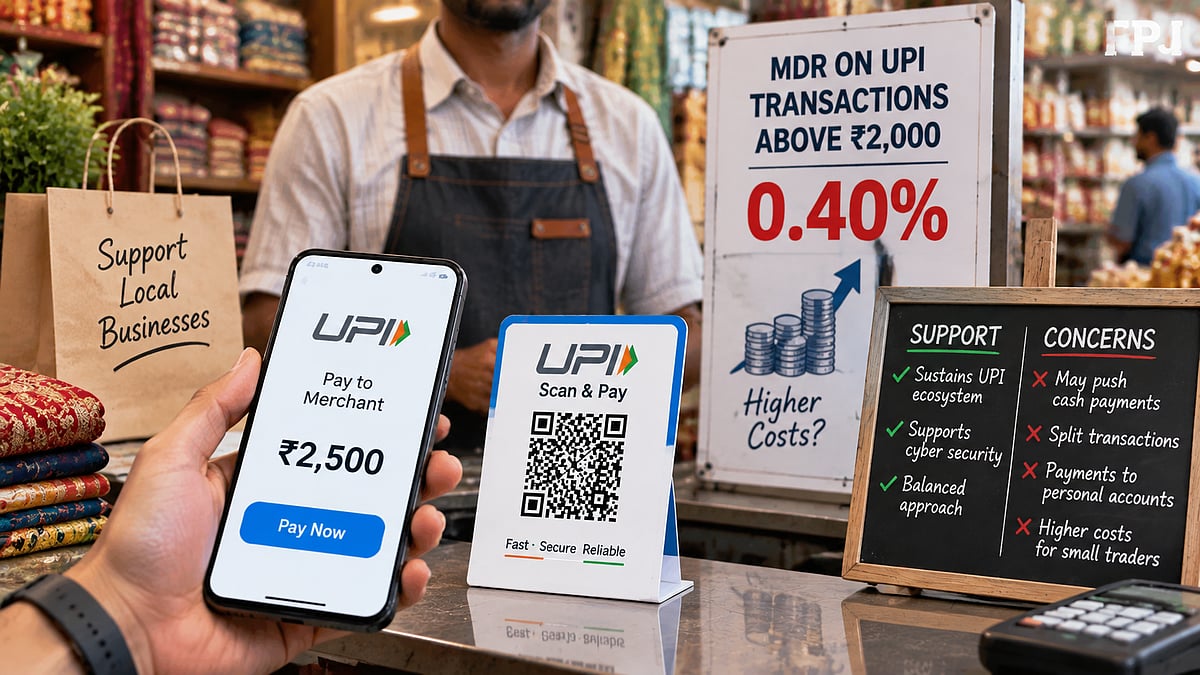
A proposed 0.4% merchant discount rate could affect thin-margin small retailers accepting UPI payments.
Merchants receiving up to Rs 1 lakh monthly through UPI are exempt, but the threshold has been criticized as too low.
The National Payments Corporation of India said MDR applies to UPI transactions above Rs 2,000 when monthly sales exceed Rs 1 lakh.
Supporters say MDR will help fund cybersecurity, fraud prevention, innovation and sustainable payment infrastructure.
The finance ministry says merchants will bear the charge, but experts warn businesses could pass costs to consumers indirectly.
- Who
- Small merchants, retailers, banks, payment companies and UPI customers are affected; industry representatives and government-linked experts have expressed differing views.
- What
- A merchant discount rate of 0.4% is being introduced for some UPI merchant transactions, with exemptions and transaction limits.
- Where
- Across India, including retail stores, local vendors, fuel outlets and other merchant categories.
- When
- The revised charges are scheduled to apply from October 15; UPI was launched in 2016 and made free in 2020.
- Why
- The policy is intended to make UPI financially sustainable and fund reliability, security, innovation and customer service as usage expands.
Concerns About Merchant Costs
Arguments for Sustainable UPI
Impact on small shops
Concerns About Merchant Costs
Retailers and critics say small merchants operate on very thin margins and may raise prices, discourage UPI or return to cash. They also argue that the Rs 1 lakh exemption threshold is too low for many local vendors.
Arguments for Sustainable UPI
Supporters say the charge is modest compared with credit-card MDR, and the framework protects small merchants and most low-value transactions.
Who ultimately pays
Concerns About Merchant Costs
Economists warn that merchants could pass the cost to customers through higher prices, smaller discounts or payment-linked fees even if direct surcharges are prohibited.
Arguments for Sustainable UPI
The finance ministry says the MDR is to be borne by merchants, not consumers, while monitoring and rules can prevent explicit customer surcharges.
Purpose of the charge
Concerns About Merchant Costs
Critics argue that UPI was already widely adopted and that changing the free model could weaken usage among the merchants who helped make it popular.
Arguments for Sustainable UPI
Payment companies and industry experts say MDR will create revenue to support cybersecurity, fraud prevention, reliability, innovation, merchant service and future expansion.
Key facts
- August UPI volume
- 24.51 billion transactions
- August UPI value
- Rs 29.82 lakh crore
- Standard proposed MDR
- 0.4% for eligible merchant transactions
- Small-merchant exemption
- Merchants receiving up to Rs 1 lakh per month through UPI
- Transaction threshold
- MDR applies to UPI transactions above Rs 2,000 when monthly sales exceed Rs 1 lakh
- Large transaction cap
- MDR capped at Rs 300 for transactions of Rs 75,000 and above
- Estimated annual pool
- Almost Rs 20,000 crore for participants in the UPI ecosystem
Quotes
Kumar Rajagopalan
CEO of the Retailers Association of India
“The local chatwallas, dhabas, vegetable and fruit juice sellers have a daily income of Rs 5,000. That totals more than Rs 1 lakh. So, they will be classified as P2M and charged 0.4%. Who will determine the monthly income of millions of such vendors and yet prevent harassment? Huge incentive to shift back to cash”
 businesstoday.in
“Economically, a general price increase, reduced discount, or payment-linked fee can shift MDR onto consumers, even if the invoice does not identify it. At 0.4%, the direct cost is Rs 4 per Rs 1,000, but cumulative costs matter for thin-margin businesses”
businesstoday.in
Sources
Related news

Small Retailers Resist UPI MDR as Cash Payments Loom
Trade Body Seeks Rollback of UPI MDR on Large Payments
India’s UPI MDR Plan Draws Warnings and Official Defense
India’s UPI MDR Plan Tests Digital Payments’ Durability
NPCI Says October 15 UPI MDR Won’t Disrupt Payments
Traders Split Over UPI Charge on Large Payments

GFF 2026 Concludes With Three Fintech Product Launches
Mindgate, J.P. Morgan Expand Next-Generation UPI Infrastructure Collaboration

PayU Launches Agent HQ for AI-Powered Merchant Commerce

Visa Announces AI Payments and Cybersecurity Innovations at Fintech Fest