1 week ago
Delhi's Food Memories Reveal a City Constantly Changing
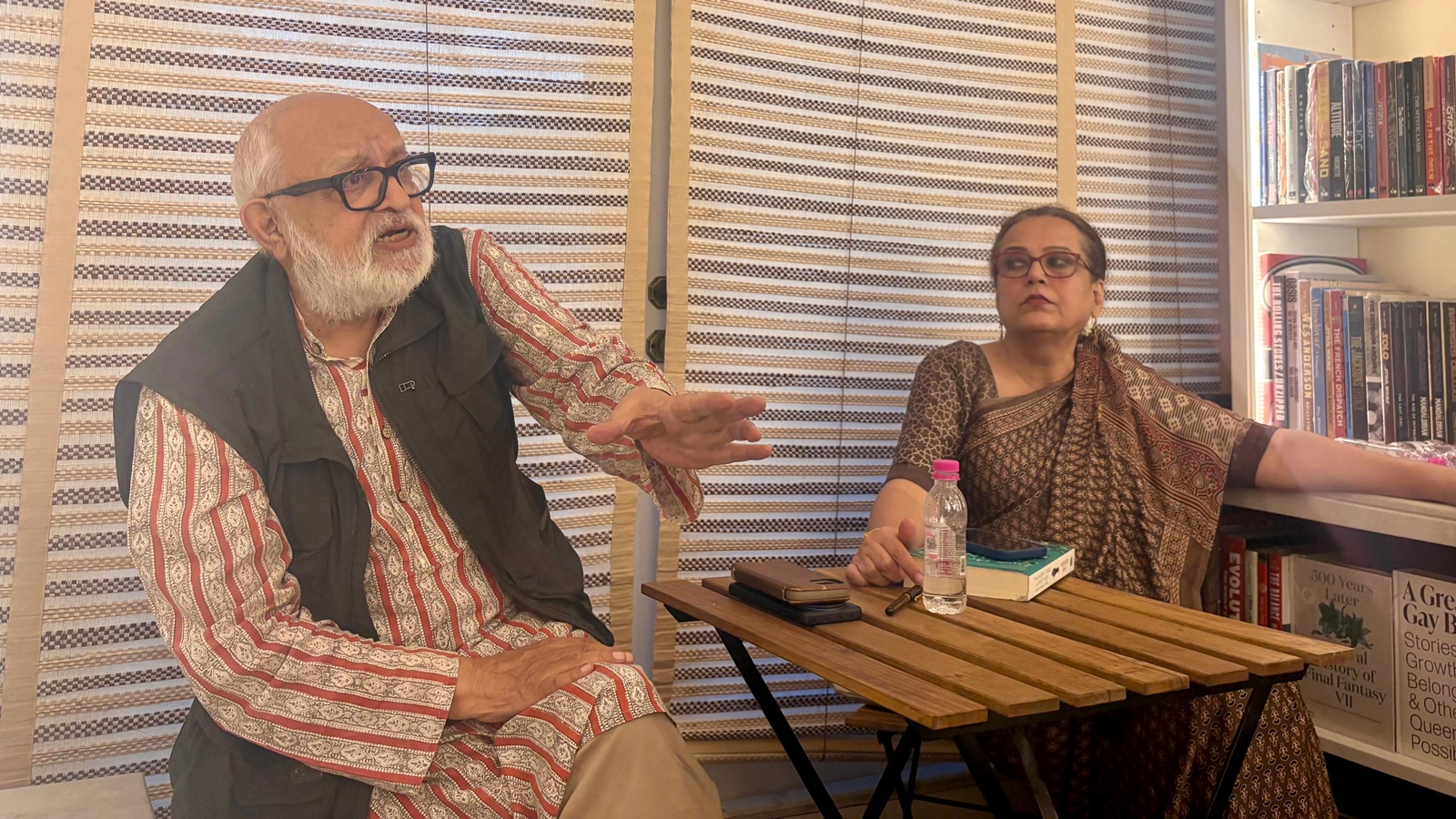
Pushpesh Pant wrote a book about the food history of Delhi.
He discussed it with writer Rakhshanda Jalil at a bookstore.
They talked about how Delhi’s food has changed over time.
In the past, people often ate foods only when they were in season.
Today, many foods and flavors are available throughout the year.
They also discussed the history behind the name Habshi Halwa and why some people now object to that name.
Pant said Delhi has welcomed many groups of people over generations.
These groups brought their own foods but also adopted Delhi’s food habits.
He believes there is no single definition of a “real” Delhiite.

Pushpesh Pant and Rakhshanda Jalil discussed Delhi’s food history at a CMYK bookstore event.
Pant said seasonal food traditions, including peas in samosas and monsoon corn, are fading.
Year-round availability and changing food habits have altered traditional dishes and kulfi flavors.
A debate over Habshi Halwa highlighted tensions between historical context and modern language concerns.
Pant argued that Delhi’s identity is shaped by successive waves of migrants and cultural exchange.
- Who
- Food historian and critic Pushpesh Pant and writer Rakhshanda Jalil participated in the discussion; the event also referenced S Y Quraishi and Om Prakash Jain.
- What
- They discussed Pant’s 2024 book, From The King’s Table to Street Food: A Food History of Delhi, along with Delhi’s changing food traditions and identity.
- Where
- At the CMYK bookstore in Meherchand Market, Delhi.
- When
- The conversation took place on a Saturday evening; the exact date was not stated.
- Why
- The event was held to discuss Pant’s book and how food, memory, migration and urban change have shaped Delhi.
Traditional and Historical Views
Contemporary and Pluralist Views
Seasonal food versus year-round availability
Traditional and Historical Views
Pant and Jalil argued that the traditional idea of taasir—food’s seasonal and bodily effects—has weakened, making kitchens and palates poorer.
Contemporary and Pluralist Views
The discussion acknowledged that year-round availability is driven partly by the expanding city, climate change and consumer demand, summarized by the phrase “what is visible sells.”
Who is a real Delhiite?
Traditional and Historical Views
Om Prakash Jain argued that families who settled in Delhi earlier had a stronger claim to the city than later arrivals.
Contemporary and Pluralist Views
S Y Quraishi and Pant emphasized that their own childhood memories also make them Delhiites, and Pant argued that Delhi has continually absorbed successive generations of migrants.
Historical names and modern sensitivities
Traditional and Historical Views
Pant defended discussing the historical etymology of Habshi Halwa, saying the name referred to an Abyssinian slave associated with bringing the dish to India, not directly to Black people.
Contemporary and Pluralist Views
Pant’s 19-year-old granddaughter objected to the term, viewing it as the N-word and asking him not to use it.
Key facts
- Book
- From The King’s Table to Street Food: A Food History of Delhi
- Author
- Pushpesh Pant
- Conversation partner
- Rakhshanda Jalil
- Publication year
- 2024
- Venue
- CMYK bookstore, Meherchand Market, Delhi
- Food example
- Pant said bhutta was traditionally associated with the rains, while giant sweet corn is now available year-round.
- Migration example
- Lajpat Nagar was described as having first been settled by Partition refugees from Punjab and later hosting Afghan restaurants.
Quotes

Rakhshanda Jalil
Indian writer, translator, critic, and literary historian
“Many things that you narrate here (in the book) are things that I remember very well from my childhood, which were parents who believed in eating out, and who were not squeamish about street food. And moreover, I have seen Delhi change: the flyovers, the Commonwealth Games, the Asian Games, the changing demographics, the changing food patterns… For me personally, this was a lovely walk down memory lane in every sense of the word.”
 indianexpress.com
“You are absolutely right. It has gone out of our lives, and it is not just the new generation that is responsible for it.”
indianexpress.com
Sources
Related news
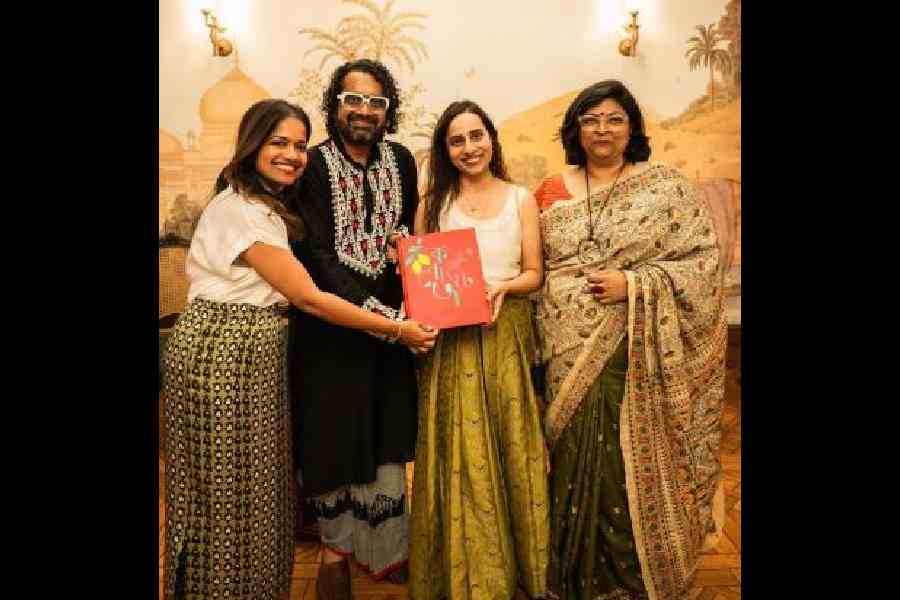
Heirloom Cities Book Captures Calcutta’s Layered Food Culture
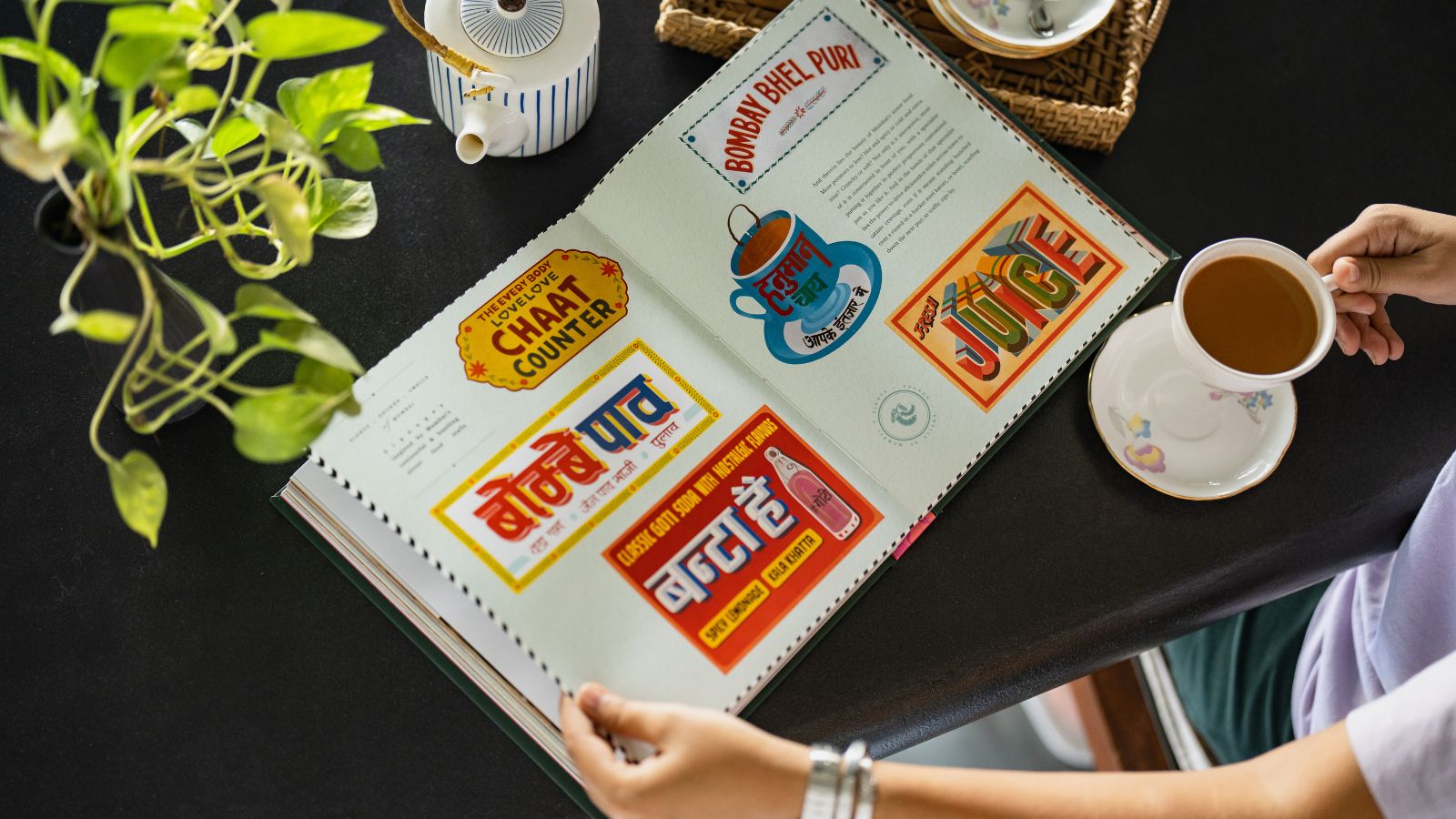
Mumbai coffee-table book by all-women team wins 'Oscars of food'

Delhi and Kolkata Eateries That Survived Raj, Independence, Partition

'The Orissan' book explores Odisha's food, history, and memories
What's Cooking for Navroz: Salli Gosht, Parsi Patio and Lagan-nu-Custard

Swara Bhasker Clarifies Padmaavat Jauhar Remarks Amid Backlash
Swara Bhaskar Says Padmaavat Criticism Ruined Her Acting Career
Swara Bhasker Revisits Padmaavat Jauhar Criticism Amid Online Backlash
Five-Decade Book Traces Indian Classical Art as Self-Quest