

15 hrs ago
IRDAI Defends Insurance Distribution Reforms and Digital Infrastructure Plans
India’s insurance regulator wants to change how insurance is sold.
It says customers should have more ways to compare and buy policies.
Different sellers may receive different commissions depending on how much work and advice a policy needs.
Extra incentives could encourage insurance sales in villages and smaller cities.
The regulator also wants to make it easier for new distribution businesses to start.
A planned digital system called the Public Insurance Registry could help insurers and customers share verified information safely.
Another platform, Bima Sugam, is expected to offer a digital way to find and purchase insurance.
Officials say these systems will not replace agents, especially when people need help with complicated products.
Insurers and other stakeholders can still suggest changes before the proposals are finalized.

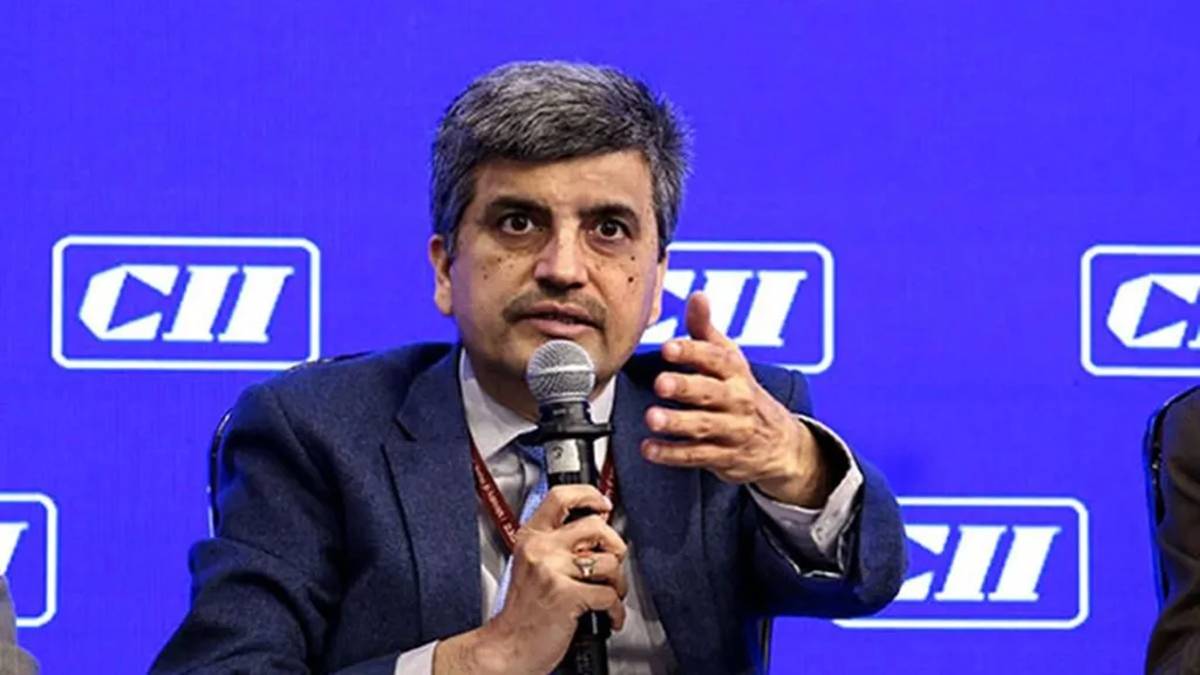
IRDAI Chairman Ajay Seth said proposed reforms aim to simplify distribution, expand consumer choice and match remuneration with channel-specific effort.
The framework would group distributors into Insurance Distribution Entities, Insurance Distribution Persons and Market Infrastructure Institutions, while lowering some entry barriers.
Higher incentives are proposed for underserved rural areas and smaller cities, while commissions would vary by product complexity and selling effort.
The consultation proposes expense-management glide paths, but the interview contains differing figures for general and standalone health insurers that remain subject to feedback.
Seth said the Public Insurance Registry and Bima Sugam could enable consent-based data sharing, easier comparison and digital purchasing without eliminating intermediaries.
- Who
- Ajay Seth, chairman of the Insurance Regulatory and Development Authority of India, discussed the proposals and digital initiatives.
- What
- IRDAI is consulting on insurance-distribution, commission and expense reforms while developing Bima Sugam and the Public Insurance Registry.
- Where
- The reforms apply to India’s insurance market, including rural areas, smaller towns and cities.
- When
- Bima Sugam is expected to become operational within four to six months; the broader proposals remain under consultation.
- Why
- IRDAI says the changes are intended to widen insurance access, simplify regulation, improve consumer choice and strengthen expense and underwriting discipline.
IRDAI’s Reform Rationale
Industry and Stakeholder Concerns
Distribution and commissions
IRDAI’s Reform Rationale
IRDAI says remuneration should reflect each channel’s restrictions, product complexity and servicing effort, rather than favoring one distribution model.
Industry and Stakeholder Concerns
Insurers and distributors have raised concerns that lower or uneven commissions could weaken existing networks or make low-value but important policies less attractive to sell.
Expense-management limits
IRDAI’s Reform Rationale
IRDAI proposes a medium-term glide path so insurers can adjust, while seeking greater expense discipline and efficiency across the sector.
Industry and Stakeholder Concerns
The industry has questioned whether uniform limits are suitable for insurers of different sizes and has sought consideration of scale-based approaches.
Digital interoperability
IRDAI’s Reform Rationale
IRDAI says the Public Insurance Registry would use consent, purpose limits, tokenisation, role-based access and audit trails while reducing fragmented data exchanges.
Industry and Stakeholder Concerns
Insurers are concerned about sharing proprietary or commercially sensitive information, and the experience of integrating hospitals with the National Health Claims Exchange highlights adoption and implementation challenges.
Key facts
- Proposed distribution categories
- Insurance Distribution Entities, Insurance Distribution Persons and Market Infrastructure Institutions.
- Broker capital requirement
- The proposed requirement is ₹10 lakh, down from the current ₹75 lakh.
- Underserved-area incentive
- A 20% additional incentive is proposed for towns with populations below 50,000 and rural areas; a 10% increase is proposed for cities below 10 lakh people.
- Life-insurance expense path
- The proposal cited by Seth targets 15% of premium within two years and 12.5% within five years.
- General and health expense path
- Seth cited 25% within two years and 20% within five years for general insurance, including standalone health insurers, while the question cited earlier figures of 20% and 30%; the discrepancy is not resolved in the interview.
- Bima Sugam timeline
- The platform is expected to become operational in the next four to six months.
- National Health Claims Exchange figures
- As of the interview, it had recorded 8.7 crore claim API requests through nearly 47,000 hospitals on the government side; 864 private hospitals had processed 28,609 requests.
Sources
Related news

IRDAI Proposes Sweeping Overhaul of Insurance Distribution Rules
IRDAI Proposes Major Changes to Insurance Distribution Costs

IRDAI Proposes Overhaul to Cut Commissions and Mis-selling
IRDAI Proposes Insurance Reforms Targeting Commissions, Bundling and Dark Patterns

IRDAI Proposes Insurance Distribution Reset With Commission Caps

IRDAI Commission Cuts Set to Reset Insurance Distribution Models
Predictable Hospital Rates Could Improve Health Insurance Efficiency

IRDAI Bars Niva Bupa From New Locations Over Expense Breach

India Plans Health Insurance Reforms To Lower Medical Costs

Rajasthan, IRDAI discuss roadmap for 'Insurance for All by 2047'
