

4 hrs ago
IRDAI Proposes Insurance Distribution Reset With Commission Caps

India’s insurance regulator has suggested new rules for how insurance can be sold.
The goal is to make insurance cheaper and clearer for customers.
The rules would limit how much distributors can earn from many policies.
New-vehicle insurance sellers would face especially tight limits.
Health insurance sellers would also receive smaller payments for renewals and policy transfers.
Car dealers would have to tell buyers about digital options such as Bima Sugam.
They could not refuse cashless repairs just because a customer bought insurance elsewhere.
Experts say the changes may reduce mis-selling and encourage better technology.
However, distributors may lose income, and the final effects depend on the rules IRDAI ultimately adopts.

IRDAI has proposed a simpler three-tier insurance distribution structure to reduce costs and improve transparency.
The draft would cap new-vehicle motor commissions at zero for third-party cover and 5% for own-damage cover.
Health insurance first-time commissions could be limited to 15%-20%, with renewal and porting payouts capped at 5%-10%.
The proposals would include technology and awareness spending within commission ceilings and replace the MISP framework with an IDE regime.
Experts say consumers could benefit, but dealers, bancassurance partners, NBFCs and other distributors may face immediate margin pressure.
- Who
- The Insurance Regulatory and Development Authority of India, insurers, distributors, dealers and policyholders.
- What
- IRDAI has proposed restructuring insurance distribution and capping commissions and related spending.
- Where
- India, including the motor and health insurance distribution markets.
- When
- The proposals are contained in IRDAI’s current consultation paper; no implementation date is specified.
- Why
- To lower costs, improve transparency, reduce mis-selling, strengthen safeguards and promote a more sustainable insurance marketplace.
Consumer safeguards
Distribution concerns
Lower costs and transparency
Consumer safeguards
Supporters say simpler distribution tiers and commission limits could lower policyholder costs, improve transparency and curb mis-selling.
Distribution concerns
Distributors and their advisers warn that tighter limits could squeeze margins and reduce incentives to sell and service policies.
Motor insurance sales
Consumer safeguards
Separating insurance sales from dealer relationships would give customers more choice, including access to digital channels such as Bima Sugam; dealers could not deny cashless repairs because insurance was purchased elsewhere.
Distribution concerns
Automobile dealers, OEM-linked brokers, insurers and other motor distributors could face substantial revenue losses from reduced upfront earnings and tighter dealer-linked arrangements.
Long-term market effects
Consumer safeguards
Experts say the reforms could encourage digital adoption, stronger policy persistency, innovation and a more consumer-focused marketplace.
Distribution concerns
The ultimate impact remains uncertain because it depends on the final provisions and the transition framework adopted by IRDAI.
Key facts
- Regulator
- Insurance Regulatory and Development Authority of India (IRDAI)
- Consultation paper
- “Recalibrating the Economics of Insurance Distribution”
- Motor third-party commission
- Proposed at 0% for new-vehicle policies
- Motor own-damage commission
- Proposed at 5% for own-damage and related covers
- Health first-time commission
- Proposed at 15%-20%
- Health renewal and porting payouts
- Proposed at 5%-10%
- Existing effective payouts
- Some first-year distribution payouts reached up to 60% when promotional spending and rewards were included
Quotes
Debashish Banerjee
Partner at Deloitte India
“The reforms could, therefore, change the traditional dealer-led model in which insurance sales, vehicle financing and after-sales servicing are closely linked. Revenue pressures may encourage distributors to place greater emphasis on renewals, servicing, technology and other permissible value-added services.”
 thehansindia.com
“The changes would directly affect automobile dealers, OEM-linked brokers, insurers and other motor insurance distributors quite drastically. By reducing upfront earnings from new-vehicle policies and tightening dealer-linked arrangements, the proposals could further compress distribution margins.”
thehansindia.com
Sources
Related news

IRDAI Proposes Sweeping Overhaul of Insurance Distribution Rules

IRDAI Proposes Digital Motor Insurance Options for New Cars

IRDAI Commission Cuts Set to Reset Insurance Distribution Models
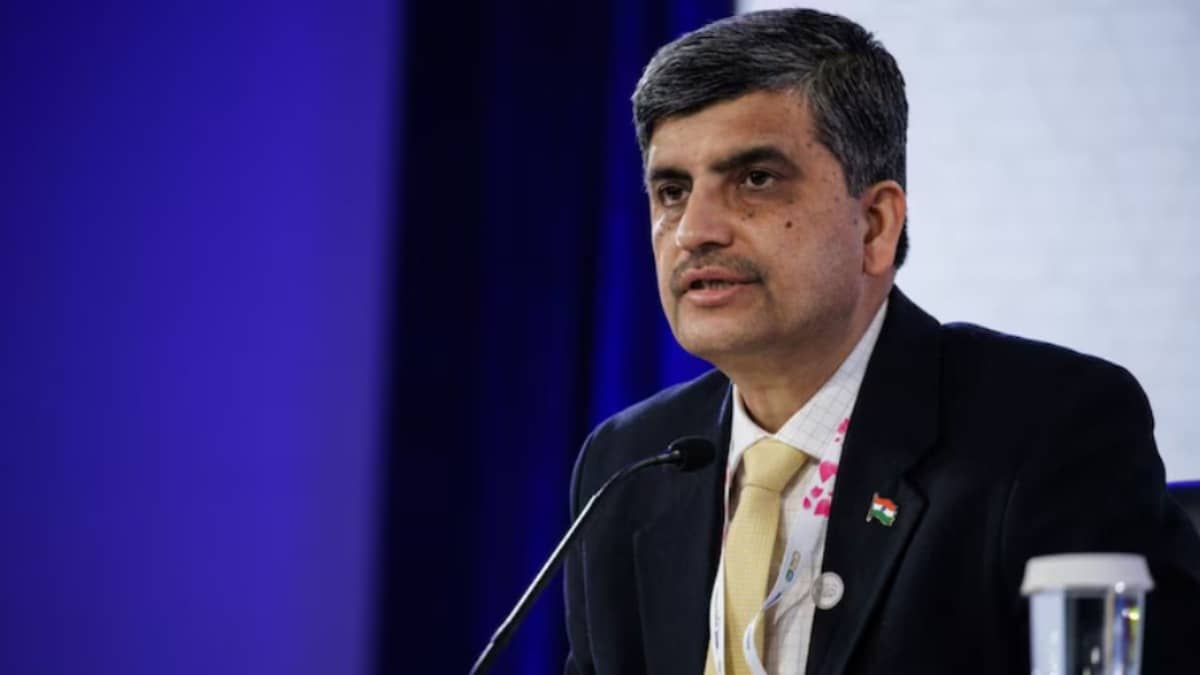
IRDAI Proposes Insurance Reforms Targeting Commissions, Bundling and Dark Patterns

IRDAI Proposes Insurance Distribution Overhaul To Curb Mis-Selling

IRDAI Proposed Distribution Rules Make Certified Adviser Guidance More Valuable

Proposed commission limits threaten PB Fintech’s FY28 earnings

Motilal Oswal Names Three Stocks With Up To 37% Upside
