

3 hrs ago
IRDAI Proposes Insurance Reforms Targeting Commissions, Bundling and Dark Patterns
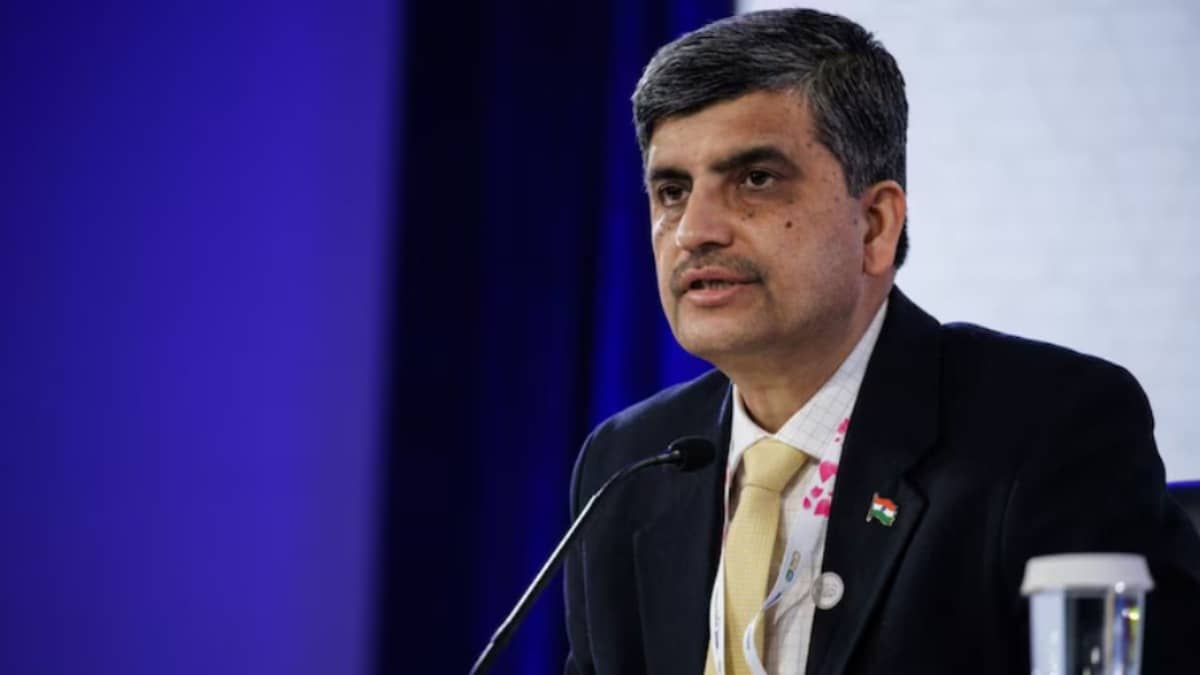
India’s insurance regulator wants to change how insurance is sold.
It says some insurance costs and commissions have become too high.
The proposal would gradually reduce how much insurers can spend on distribution.
Banks could no longer force people to buy insurance to receive a loan.
Banks also could not reward employees with prizes for selling large volumes of insurance.
Insurance websites would need to show prices and product details before asking for phone numbers or email addresses.
Each policy would be connected to the salesperson who sold it.
If that salesperson is proven to have misled a customer, commissions could be taken back.
The proposal is open for comments until October 25, 2026.

IRDAI has proposed reducing insurance distribution and operating expense limits through a five-year transition.
The plan would replace flexible commission policies with stricter effort-based caps and require clawbacks after proven mis-selling.
Banks and NBFCs would be barred from making insurance mandatory for loans or other services.
Insurance websites would have to show product details, features, and premium quotes without first requiring contact information.
The proposed framework would create three distribution categories and track each policy through the individual salesperson’s digital ID.
- Who
- The Insurance Regulatory and Development Authority of India, insurers, distributors, banks, NBFCs, and insurance consumers are involved.
- What
- IRDAI has issued a consultation paper proposing commission caps, lower expense limits, a ban on forced loan-insurance bundling, restrictions on digital dark patterns, and a three-tier distribution system.
- Where
- India.
- When
- The consultation paper is open for comments until October 25, 2026; the expense reductions would be phased in over five years.
- Why
- The proposals aim to reduce distribution costs, limit mis-selling and opaque sales practices, improve price transparency, and lower insurance costs for policyholders.
Policyholder Advocates and IRDAI
Traditional Distributors and Bank-Led Intermediaries
Consumer costs
Policyholder Advocates and IRDAI
Supporters say lower expense limits and tighter commissions could reduce premiums and improve policyholder value.
Traditional Distributors and Bank-Led Intermediaries
Distributors and bank-led intermediaries may face near-term margin compression because payout structures would be capped.
Sales incentives
Policyholder Advocates and IRDAI
Supporters favor banning mandatory insurance, target-linked rewards, and digital tactics that collect contact information before showing prices.
Traditional Distributors and Bank-Led Intermediaries
The proposed restrictions would reduce existing sales incentives and require lenders and distributors to change established practices.
Mis-selling accountability
Policyholder Advocates and IRDAI
Supporters say linking every policy to a salesperson and clawing back commissions would improve accountability.
Traditional Distributors and Bank-Led Intermediaries
The article does not state a specific public response from distributors to the proposed tracking and clawback rules.
Key facts
- Regulator
- Insurance Regulatory and Development Authority of India (IRDAI)
- Consultation paper
- “Recalibrating Economics of Insurance Distribution”
- Proposed expense limits
- The article describes a five-year glide path toward 12.5% for life insurers and 20% for general insurers.
- Commission concerns
- Average payouts reportedly reached up to 61% of first-year life-insurance premiums and up to 93% in specific general-insurance lines.
- Loan bundling
- Banks and NBFCs would be prohibited from requiring insurance as a condition for credit or services.
- Digital sales
- Platforms would be required to show product features, terms, and premium quotes without first demanding contact details.
- Public feedback deadline
- October 25, 2026
Sources
Related news

IRDAI Proposes Sweeping Overhaul of Insurance Distribution Rules
IRDAI Proposes Hard Commission Caps and Lower Insurer Expenses

Insurance Stocks Slide After IRDAI Proposes Distribution Reforms

IRDAI Questions High Bank Insurance Payouts and Sales Incentives

Insurance Shares Tumble as Regulator Proposes Commission Cuts

IRDAI Proposes Digital Motor Insurance Options for New Cars

Stocks in Focus as NSE Lists, Deals and Results Unfold
