1 hr ago
From Magic Squares to Memorable Ads, Signs and Slogans
The writer first became interested in posters while studying mathematics at Hindu College in Delhi.
He displayed a large magic square on a college bulletin board.
Posters can teach people, decorate places, advertise products or support political messages.
Warning signs tell people about dangers or rules, such as electrical hazards or places where trespassing is forbidden.
Some signs are serious, while others are deliberately funny.
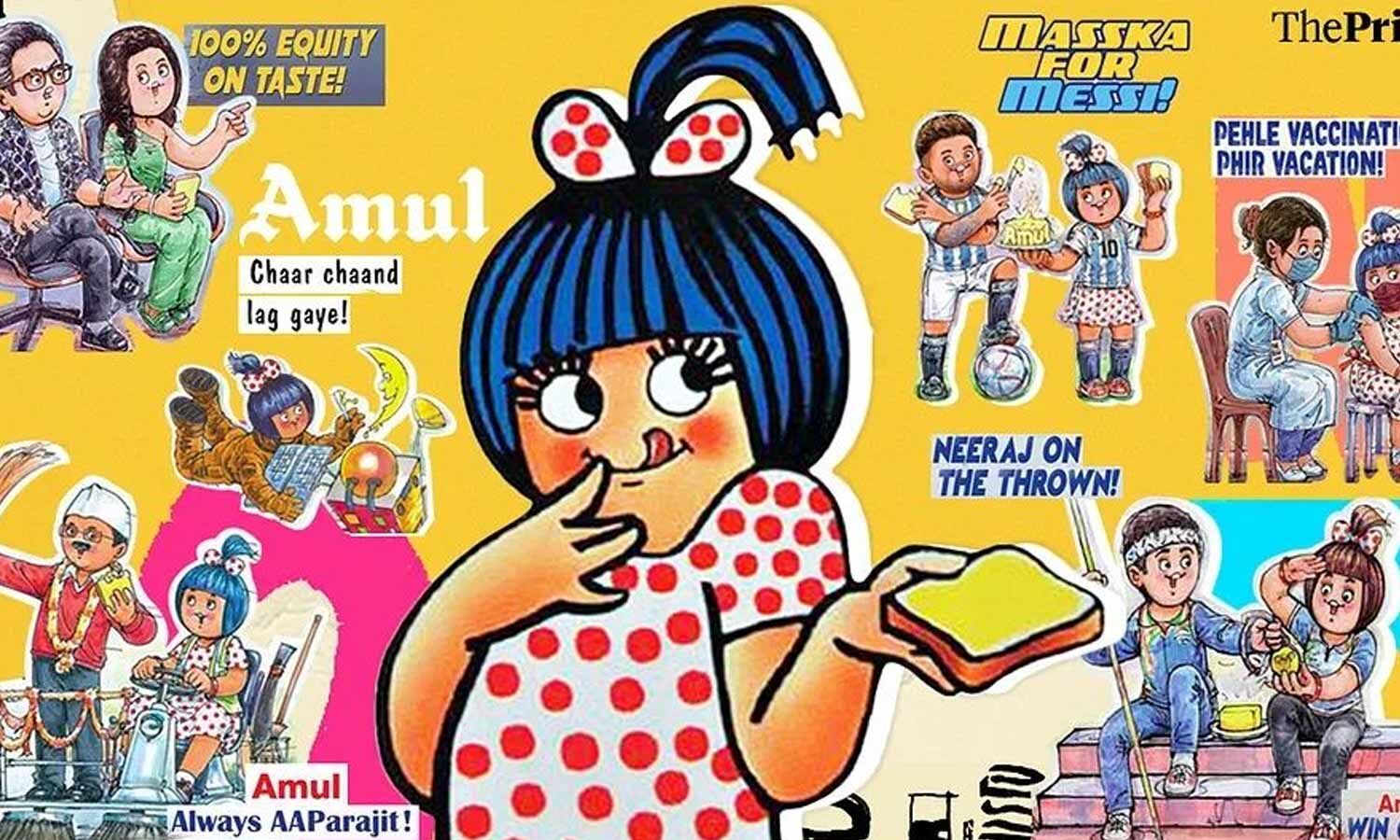
Indian brands such as Amul, Air India, Fevicol, Pepsi and Sprite became famous for creative advertisements.
These campaigns used mascots, jokes, celebrities and catchy phrases.
Road signs in places such as Australia and Salem can also surprise or amuse people.
The article suggests that clever messages remain memorable for a long time.

The writer’s interest in posters began with a 33-by-33 magic square displayed at Delhi’s Hindu College in the early 1960s.
Posters serve educational, decorative, advertising and political purposes, while warning signs regulate behavior and communicate danger.
Humorous slogans and signs use sarcasm, dark humor or wordplay to attract attention and entertain audiences.
Amul, Air India, Fevicol, Pepsi and Sprite are highlighted for distinctive advertising campaigns and memorable mascots or slogans.
Quirky signs in Australia, Salem and elsewhere demonstrate how public notices can confuse, amuse or inform people.
- Who
- The writer, advertising brands, sign makers and the audiences who read their messages.
- What
- An exploration of posters, warning notices, humorous signs and memorable advertising campaigns.
- Where
- Examples come from Hindu College in Delhi, India, Australia, Salem in Massachusetts and locations in the United States.
- When
- The writer’s personal story begins in the early 1960s; the article also discusses campaigns and examples from later periods.
- Why
- Posters and signs communicate information quickly, while humor and creativity help messages attract attention and remain memorable.
Key facts
- First poster experience
- The writer created and displayed a 33-by-33 magic square at Hindu College, Delhi, in the early 1960s.
- Poster functions
- Posters are used for decoration, education, advertising, movie promotion and political campaigns.
- Amul campaign
- The campaign featured the polka-dotted Amul girl mascot and was created by Sylvester Da Cunha and Eustace Fernandez.
- Air India mascot
- The Maharaja was conceived in 1946 by Bobby Kooka and illustrated by Umesh Rao.
- Pepsi campaign
- Pepsi’s 1996 cricket World Cup campaign used the slogan “Nothing official about it” and challenged Coca-Cola’s official sponsorship.
- Sprite slogan
- An early Indian Sprite campaign used “Sprite bujhaye pyaas, baaki sab bakwaas,” later associated with “Seedhi Baat, No Bakwaas.”
- Fevicol advertising
- The article highlights “The Bus” and an advertisement featuring an egg that could not be cracked.
Quotes

Sprite
Soft-drink brand described in the article’s Indian advertising campaign.
“Sprite bujhaye pyaas, baaki sab bakwaas”
 thehansindia.com
“Nothing 0fficial about it”
thehansindia.com
Sources
Related news
Berger Paints’ Khushrangi Ad Replaces Celebrities With Nostalgic Colour

Stickers Targeting PM Modi Pasted on Ahmedabad Hoarding; FIR Filed
SRK, Ajay Devgn Face Notices Over Surrogate Advertising

Gorilla-Led Traffic Campaign Draws Attention In Indore
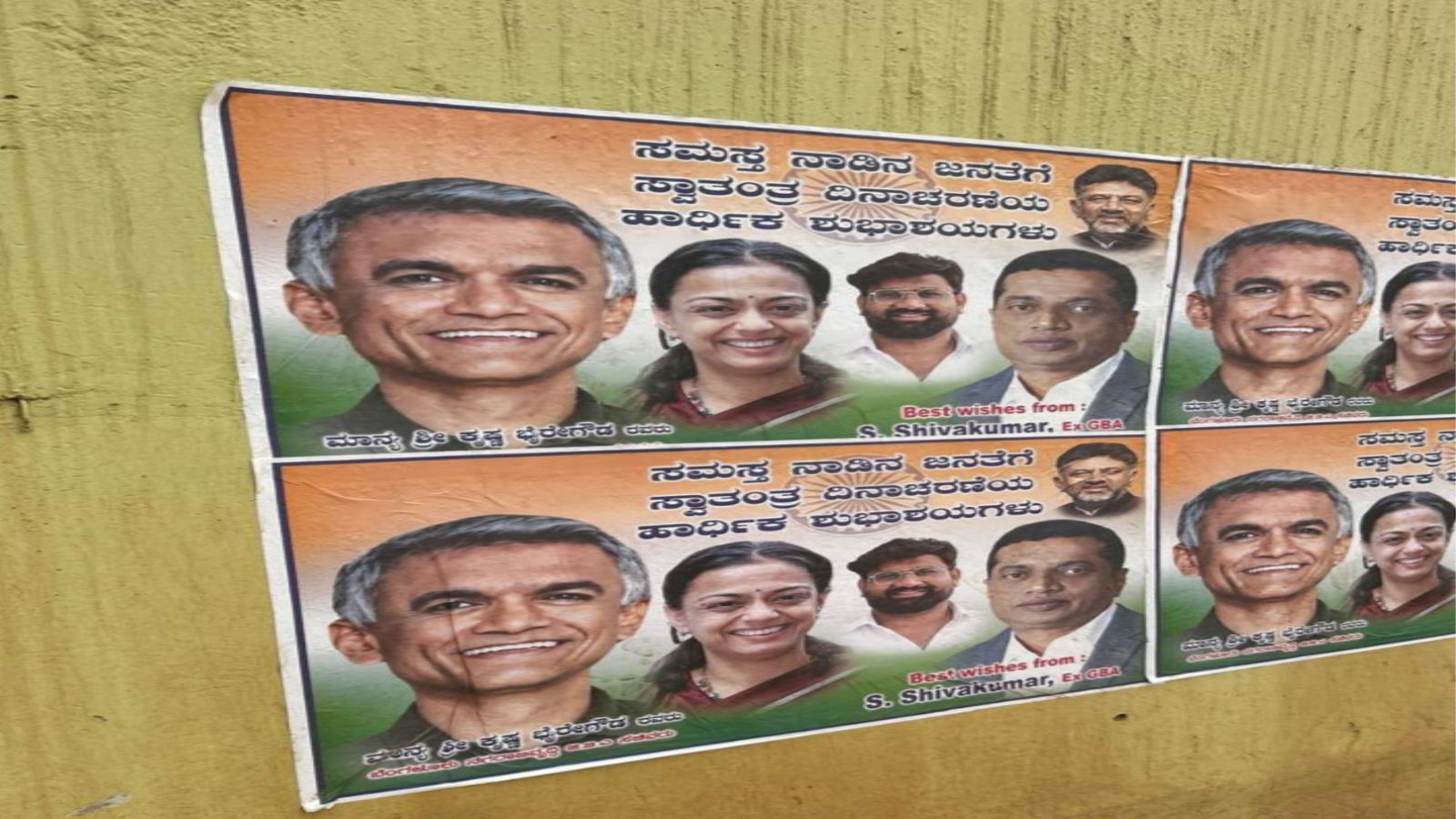
Supporter Booked Over Unauthorized Independence Day Posters in Bengaluru

CSMC Fines Businesses ₹1.5 Lakh in Illegal Advertising Drive
Tamil Nadu Plans Protest Case Withdrawals, Water and Waste Projects

Tamil Nadu Boosts Khadi Weavers' Welfare Fund
Tamil Nadu Plans GI Tags for 10 Agricultural Products
Dismembered Woman’s Remains Found in Salem Rooftop Water Tank