1 day ago
India’s Cash Transfers Need Livelihoods To Fight Poverty
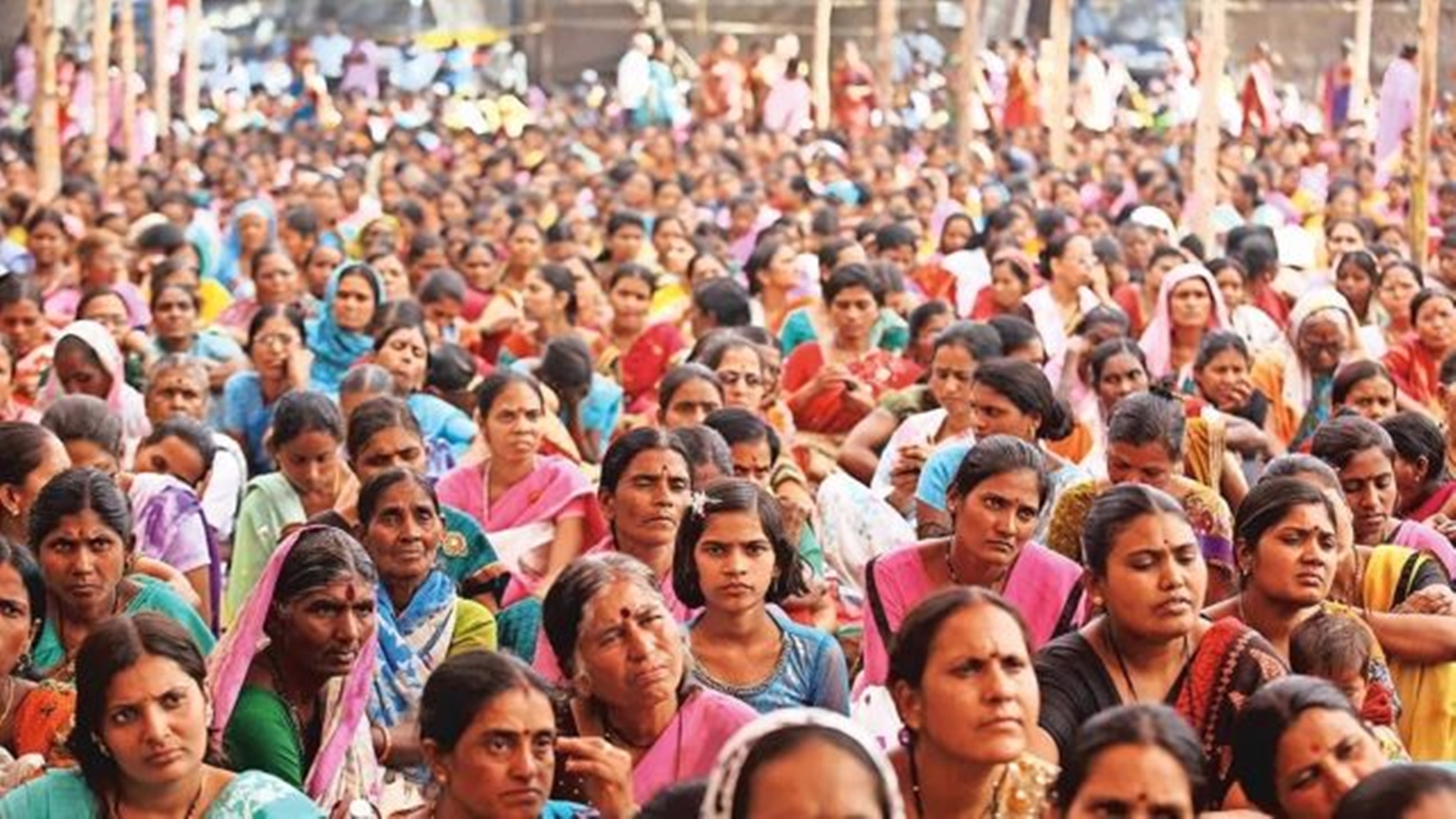
Many Indian states give poor families money directly through their bank accounts.
This can help families buy food and handle everyday needs.
Studies suggest that cash usually does not make people lazy or cause them to spend more on harmful products.
However, poverty is about more than having too little money.
Poor families may also lack good food, sanitation, healthcare, skills, or steady work.
Programs in India are therefore combining cash with assets, training, and advice.
In Bihar, some women used this support to start small shops and become more confident.
Researchers say monthly payments help with daily expenses, while larger one-time payments can help build a lasting livelihood.
The article argues that India should use cash transfers as a pathway out of poverty, not only as temporary relief.

Seventeen Indian states and Delhi provide monthly direct cash transfers, often to women.
Research across 32 countries finds unrestricted cash can improve food security, savings, income, and psychological well-being.
India’s limited fiscal space makes it important to design transfers for both immediate protection and long-term productivity.
The Samaveshi Aajevika Yojana and Bihar’s Satat Jeevikoparjan Yojana combine cash, productive assets, training, and mentorship.
Evidence suggests payment timing, frequency, and conditions should reflect recipients’ differing needs and constraints.
- Who
- Poor and extremely poor households in India, particularly women, along with government and livelihood-support programs.
- What
- India is expanding direct cash transfers while exploring programs that combine cash with assets, training, and mentorship.
- Where
- Across India, including Bihar and Delhi; the article also cites international evidence from 32 countries and Uganda.
- When
- Direct transfers have expanded in recent years; Bihar’s Satat Jeevikoparjan Yojana has operated since 2018.
- Why
- Cash provides immediate support, but tailored livelihood assistance may help people permanently escape multidimensional poverty while limiting fiscal costs.
Key facts
- Current coverage
- Seventeen of India’s 28 states and Delhi provide small monthly direct payments, according to Crisil Intelligence.
- Poverty scale
- The article states that 20 crore people in India still live in multidimensional poverty.
- Evidence base
- An analysis of more than 115 studies across 32 countries found positive effects from unrestricted cash support.
- Bihar program
- Satat Jeevikoparjan Yojana has reached 200,000 of Bihar’s most vulnerable households since 2018.
- Support package
- The Graduation Approach can include productive assets, enterprise training, financial and healthcare guidance, and mentorship for up to two years.
- Fiscal constraint
- Indian states spend nearly 80 percent of their revenues on salaries, pensions, subsidies, and interest payments.
- Payment design
- The article says timing, frequency, and conditions can matter as much as the amount transferred.
Sources
Related news
Cash Transfers Offer Temporary Relief, Not Solutions to Educated Unemployment
Modi's Flagship Schemes Expand Access, But Gaps Persist
Rural Women Credit Lakhpati Didi Scheme for Financial Independence

Haryana Transfers Rs 1,890 Crore to 50 Lakh Beneficiaries
PM-AJAY Releases Over Rs 1,730 Crore to States for Skilling
Indian households' permission norms keep women from work and mobility