8 hrs ago
Cash Transfers Offer Temporary Relief, Not Solutions to Educated Unemployment
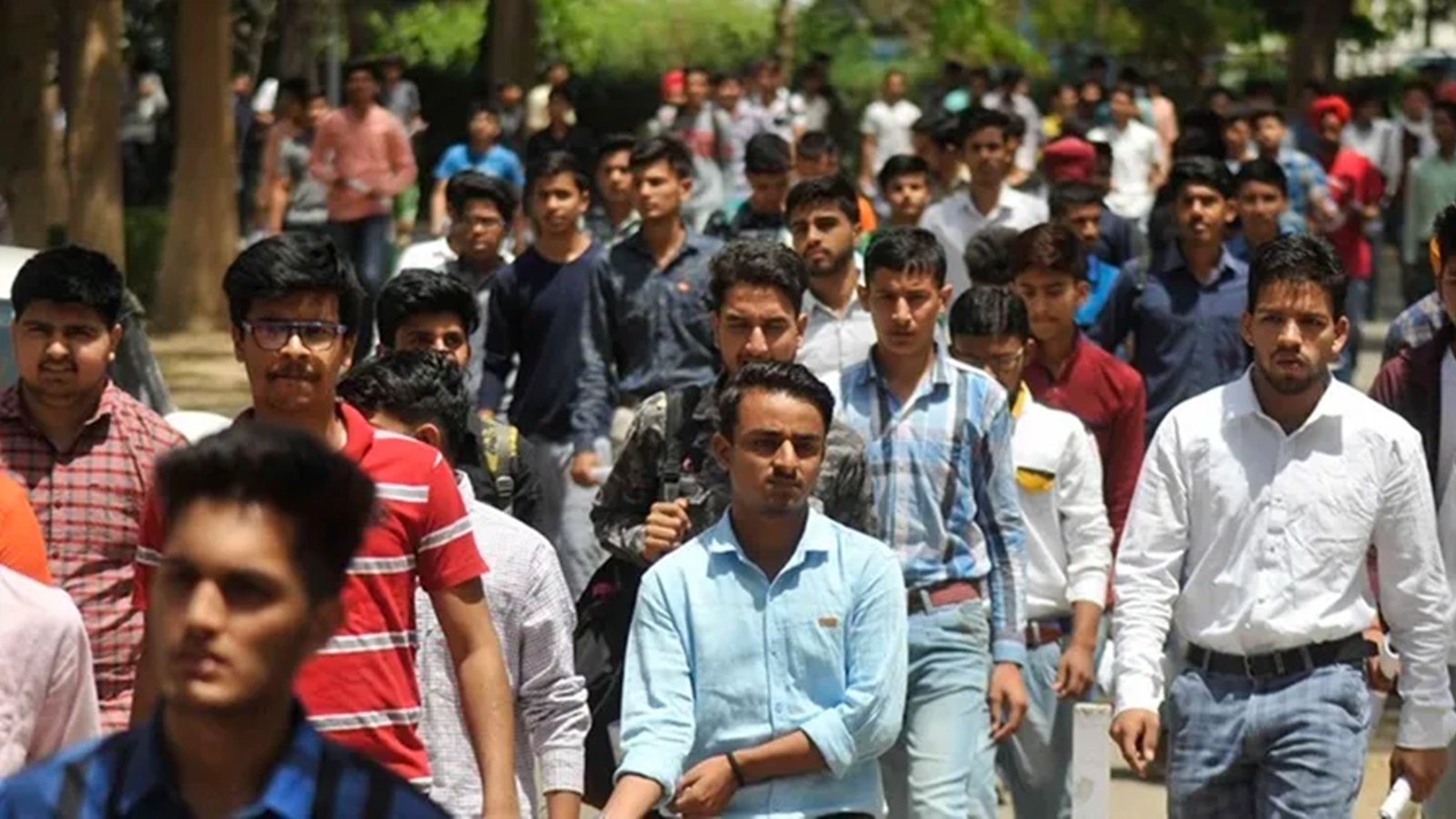
Many young people in India finish school or college but cannot find suitable jobs quickly.
Several state governments now give some unemployed young people monthly cash payments.
These payments are meant to help while people search for work.
Some programmes also offer training, internships or help with competitive-exam preparation.
However, not everyone uses the training opportunities, and the programmes are still too new to judge properly.
India also does not have enough formal jobs for its growing number of graduates.
Some experts worry that unconditional payments could make people wait longer before taking a job or learning new skills.
The article says cash support can help temporarily, but creating good jobs is the longer-term solution.

At least 10 Indian states have introduced cash-transfer programmes for unemployed or educated youth, often near elections.
Eligibility ranges from graduates to people who completed secondary or higher-secondary education, with benefits varying by state.
Some schemes combine payments with skills training, internships or exam preparation, but uptake of training has been slow in Karnataka.
India’s graduate unemployment rate is reported at 29.1%, while fewer than 7% of male graduates find permanent salaried work within a year.
The programmes may provide temporary support, but experts warn they cannot replace formal job creation and could affect job-search incentives.
- Who
- Indian state governments and unemployed or educated young people; the analysis is written by a director and senior fellow at the Observer Research Foundation.
- What
- States are using cash transfers, sometimes combined with training or internships, to support unemployed youth.
- Where
- Across India, with examples including Karnataka, Rajasthan, Assam, Kerala, Tamil Nadu, Haryana, Uttar Pradesh, Bihar, West Bengal and Chhattisgarh.
- When
- The programmes were largely introduced around state assembly elections; the article cites data and policy measures from 2024, 2025 and 2026.
- Why
- Governments aim to provide temporary income support and potentially improve employability amid prolonged transitions from education to work and a shortage of quality formal jobs.
Cash Support as Labour-Market Assistance
Cash Support Cannot Replace Job Creation
Purpose of the payments
Cash Support as Labour-Market Assistance
Payments can act as a temporary income bridge while young people search for work or invest in skills.
Cash Support Cannot Replace Job Creation
Unconditional transfers may weaken incentives for job search, self-improvement and upskilling, potentially lengthening unemployment.
Role of conditions
Cash Support as Labour-Market Assistance
Training, internships and examination preparation can make cash programmes more like active labour-market policies and improve employability.
Cash Support Cannot Replace Job Creation
Evidence of their effectiveness remains limited, and training uptake has reportedly been slow in states such as Karnataka.
Policy priority
Cash Support as Labour-Market Assistance
Cash transfers are administratively easier to deliver and can provide immediate support to a politically important group.
Cash Support Cannot Replace Job Creation
The underlying problem is insufficient formal, quality employment; transfers should not become substitutes for job creation and may carry fiscal trade-offs.
Key facts
- States with programmes
- At least 10 Indian state governments have introduced cash-transfer programmes for unemployed or educated youth.
- Karnataka benefit
- Yuva Nidhi provides eligible graduates under 35 with Rs 3,000 monthly for up to two years, alongside access to skill training.
- Kerala benefit
- Connect to Work provides Rs 1,000 monthly for one year, conditional on skill training or preparation for competitive examinations.
- Graduate unemployment
- A 2024 International Labour Organization report cited in the article puts India’s graduate unemployment rate at 29.1%.
- Permanent employment
- The State of Working India report cited says fewer than 7% of male Indian graduates find permanent salaried work within one year.
- Qualification mismatch
- The Economic Survey says 8.25% of graduates are employed in roles aligned with their qualifications.
- Central employment measure
- The Pradhan Mantri Viksit Bharat Rozgar Yojana offers first-time employees a cash benefit of Rs 15,000 and employers up to Rs 3,000 monthly for each new employee.
Sources
Related news
India’s Cash Transfers Need Livelihoods To Fight Poverty
West Bengal’s Youth Employability Crisis Threatens Its Demographic Advantage
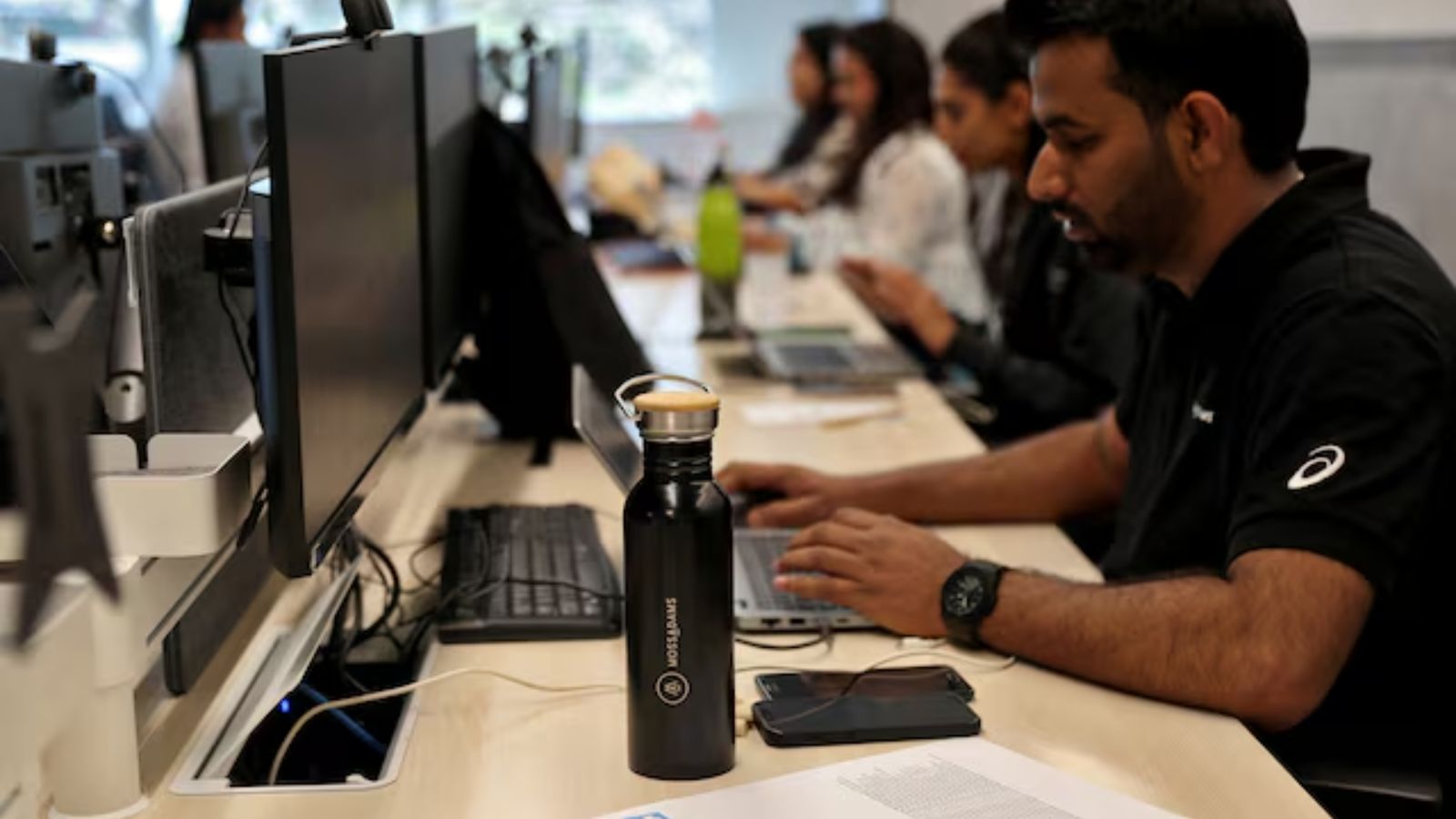
India’s District Data Shows Youth Disconnection From Jobs, Skills

BCY Party Leader Urges Pawan Kalyan to Address Unemployment
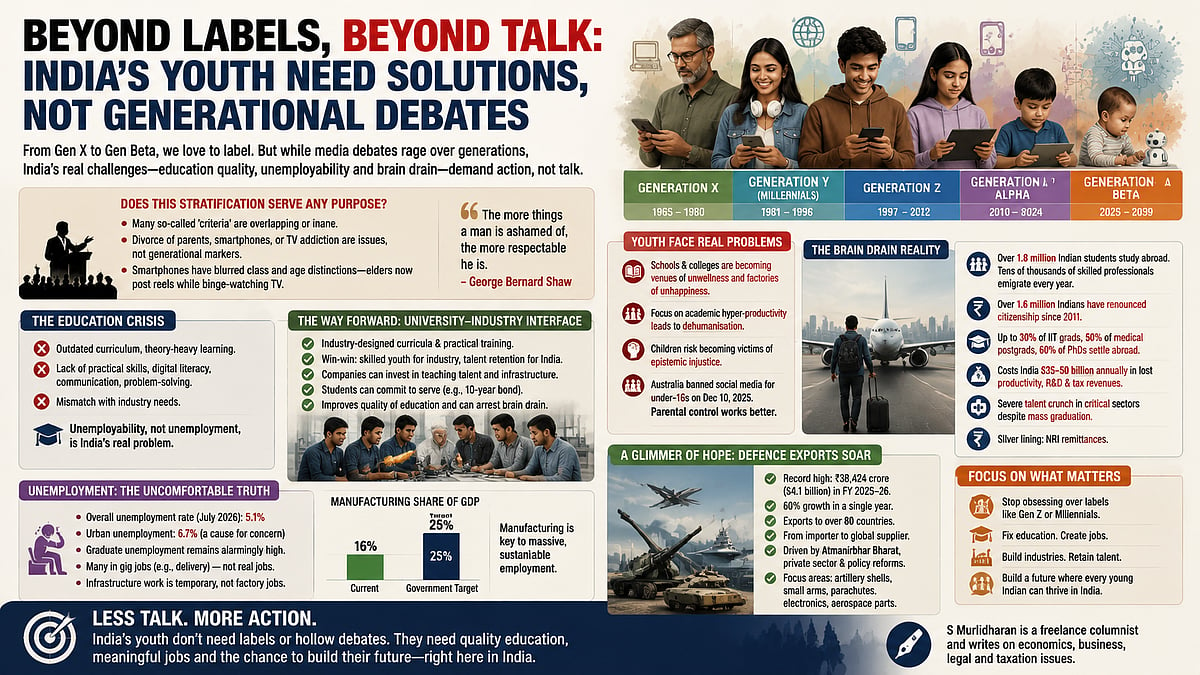
India’s Youth Need Better Education and Jobs, Not Labels
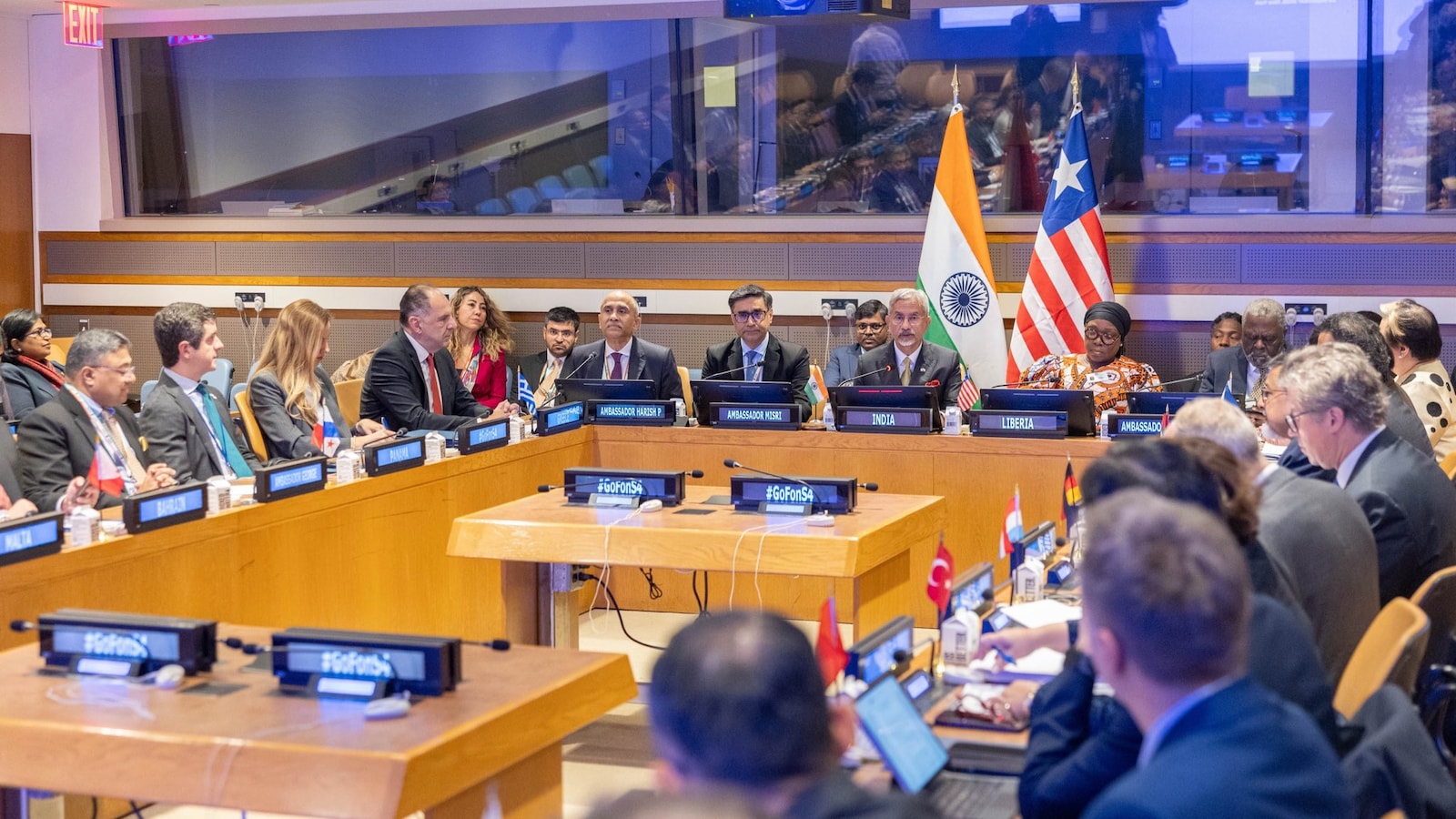
India and Liberia Launch Group to Protect Seafarers from Attacks

India Needs Resilient Policies as Heat Waves Intensify

AI Exposed Jobs Gain Pay as Layoffs Continue Rising