8 months ago
Weight-Loss Drugs Like Wegovy Don't Lower Cancer Risks: Study
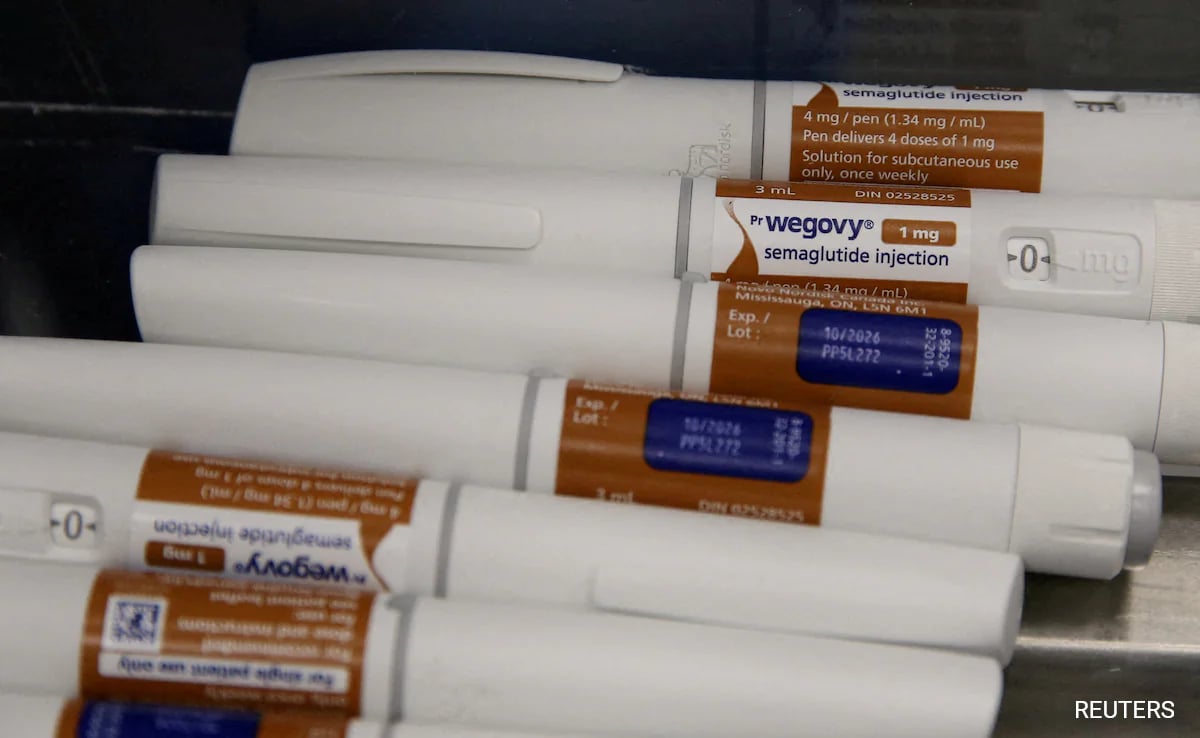
A new study looked at popular weight-loss drugs like Wegovy and Zepbound to see if they help lower the risk of cancers linked to obesity.
The study found that these drugs don't seem to reduce the risk of these cancers.
The researchers looked at data from many previous studies involving over 94,000 people.
They found that while these drugs help with weight loss and improving metabolic health, they don't lower the risk of cancers like thyroid, pancreatic, breast, or kidney cancer.
The study also couldn't say for sure how these drugs affect the risk of other cancers like colorectal, esophageal, liver, and gastric cancers because there wasn't enough data.
The researchers said more long-term studies are needed to fully understand the effects of these drugs on cancer risk.

GLP-1 drugs like Wegovy and Zepbound do not significantly lower obesity-related cancer risks.
Study analyzed 48 trials with over 94,000 participants, published in Annals of Internal Medicine.
Obesity increases the risk of 13 types of cancer, but GLP-1 drugs show little to no impact on these risks.
Researchers found insufficient data to conclude the impact on colorectal, esophageal, liver, and gastric cancers.
Long-term surveillance is essential to understand potential long-term effects of GLP-1 drugs on cancer risk.
- Who
- Researchers led by Cho-Han Chiang, MD, MMSc, from Harvard Medical School
- What
- Study on the impact of GLP-1 drugs on obesity-related cancer risks
- Where
- Study published in the journal Annals of Internal Medicine
- When
- Study published in 2024 (exact date not specified)
- Why
- To assess the long-term cancer safety of GLP-1 medications
Key facts
- Drugs Studied
- Wegovy, Zepbound (GLP-1 receptor agonists)
- Study Participants
- 94,000+ across 48 trials
- Obesity-Related Cancers
- 13 types recognized
- Study Conclusion
- No significant impact on cancer risk
- Study Journal
- Annals of Internal Medicine
- Lead Researcher
- Cho-Han Chiang, MD, MMSc
- Obesity Statistics (2022)
- 2.5 billion overweight, 890 million obese (WHO)
Quotes
Cho-Han Chiang, MD, MMSc
Clinician investigator in the Department of Medicine in Mount Auburn Hospital at Harvard Medical School in Massachusetts and corresponding author of the study
“GLP-1 receptor agonists are now being used by millions of people worldwide for diabetes and obesity, yet their long-term cancer safety has remained uncertain.”
 NDTV
NDTV
“Early observational studies and case reports raised concerns about potential links with certain cancers (e.g. thyroid, pancreatic cancers).”
NDTV
Sources
Related news

Doctors Warn Against Treating Ozempic as a Weight-Loss Shortcut

Study Links Weight Loss Drugs To Genetic Hair Loss Risk
Eli Lilly’s Mounjaro Approved to Reduce Cardiovascular Risks

Hair Loss Drug Boom Sends Biotech Stocks Toward Next Ozempic

Bengaluru Peptide Party Cancelled Amid Safety Concerns Over Wellness Craze