

1 hr ago
Oil Prices Hold Near $100 as Iran-Oman Hormuz Deal Looms

Oil prices are staying very high because fighting between the United States and Iran could disrupt important oil shipments.
Many ships use the Strait of Hormuz to move oil around the world.
Iran and Oman are discussing a plan to help ships pass through the strait safely for now.
The United States wants the waterway to return to normal and is blockading Iranian ports.
Fewer oil products are moving through Hormuz than before the war.
Chinese oil companies have been buying more crude, which is also pushing prices up.
An attack near Saudi Arabia damaged little, according to people familiar with the matter.
Traders are waiting for more details before deciding what will happen next.

Oil prices remained near $100 a barrel as traders awaited details of a proposed Iran-Oman shipping arrangement for the Strait of Hormuz.
Iran said an agreement with Oman was imminent and could provide temporary safe passage through the strategic waterway.
Brent crude has risen more than 30% since the conflict began in late February, although it remains below its late-April peak of $126 a barrel.
About 7 million barrels a day of crude and refined fuels are passing through Hormuz, down from roughly 20 million before the war, according to Macquarie Group.
Chinese refiners increased purchases, while a fresh attack on Saudi Aramco facilities in Jazan reportedly caused no significant damage.
- Who
- Iran, Oman, the United States, Chinese refiners, and oil-market traders are central to the developments.
- What
- Iran and Oman are working on a temporary shipping arrangement for the Strait of Hormuz as conflict-related risks push oil prices higher.
- Where
- The Strait of Hormuz, the Persian Gulf, Iranian ports, and Saudi Aramco facilities in Jazan are involved.
- When
- The developments were reported Tuesday, after renewed fighting over the past week and attacks over the weekend and Monday.
- Why
- Concerns about disrupted energy flows, reduced shipping through Hormuz, increased Chinese buying, and regional attacks are supporting oil prices.
Iran and Oman Arrangement
United States Position
How Hormuz shipping should be managed
Iran and Oman Arrangement
Iran says an agreement with Oman is imminent and would provide temporary safe passage through the Strait of Hormuz; transit fees may later be introduced.
United States Position
The United States wants the strait restored to its pre-war status as a freely navigable waterway and is blockading Iranian ports to restrict oil exports.
Assessment of current oil flows
Iran and Oman Arrangement
Iran has warned that vessels could face attacks near Oman, while the proposed arrangement seeks to manage passage amid heightened risks.
United States Position
US officials have repeatedly said exports remain robust, despite estimates that current flows are substantially below pre-war levels.
Key facts
- Brent crude
- Up 1.6% over the past two sessions and more than 30% since the conflict began in late February.
- West Texas Intermediate
- Trading above $92 a barrel.
- Late-April Brent peak
- $126 a barrel.
- Current Hormuz flows
- Around 7 million barrels a day of crude and refined fuels, according to Macquarie Group.
- Pre-war Hormuz flows
- Roughly 20 million barrels a day.
- Proposed Iran-Oman arrangement
- A potential temporary safe-passage system; transit fees could be introduced later.
- Jazan attack
- A fresh attack reportedly caused no significant damage to Saudi Aramco facilities.
Sources
Related news

Oil Prices Rise 1% as Strait of Hormuz Reopening Uncertain

Oil Prices Slide as Iran-Oman Talks Ease Hormuz Disruption Fears

Oil Prices Rise Fourth Day as Hormuz Fears Grow

Oil Prices Surge Above $90 as US-Iran Tensions Escalate

Brent crude crosses $90 as US-Iran conflict prolongs
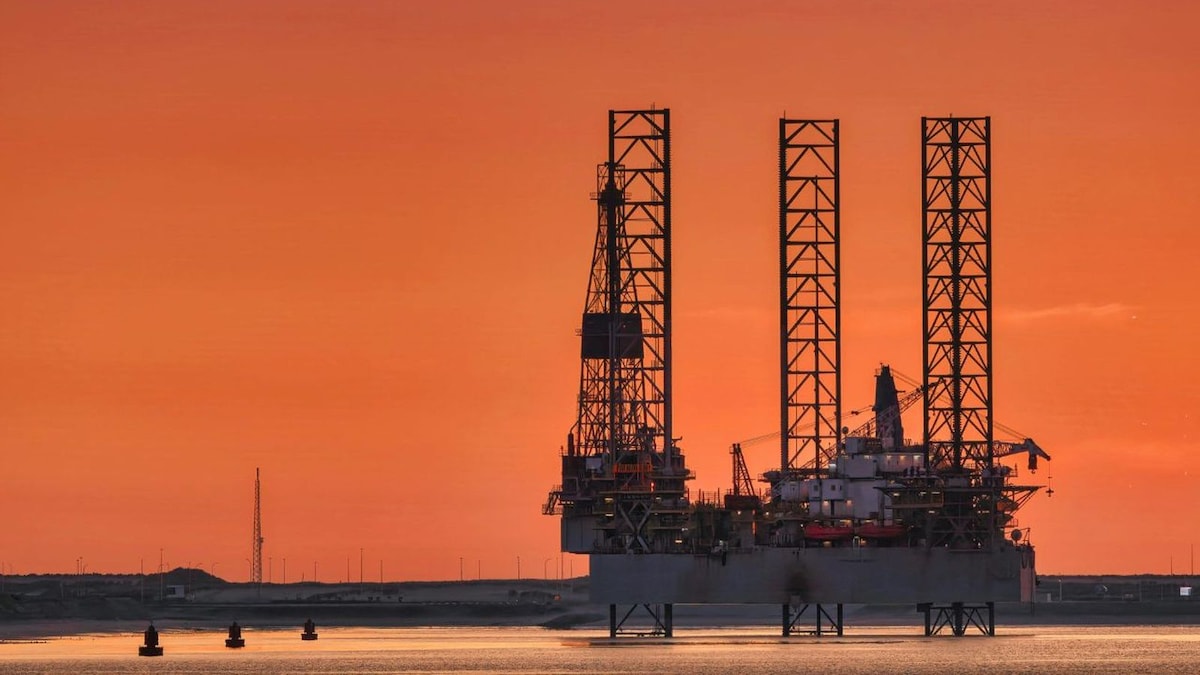
Oil Nears $100 as Fresh US-Iran Strikes Revive Hormuz Fears
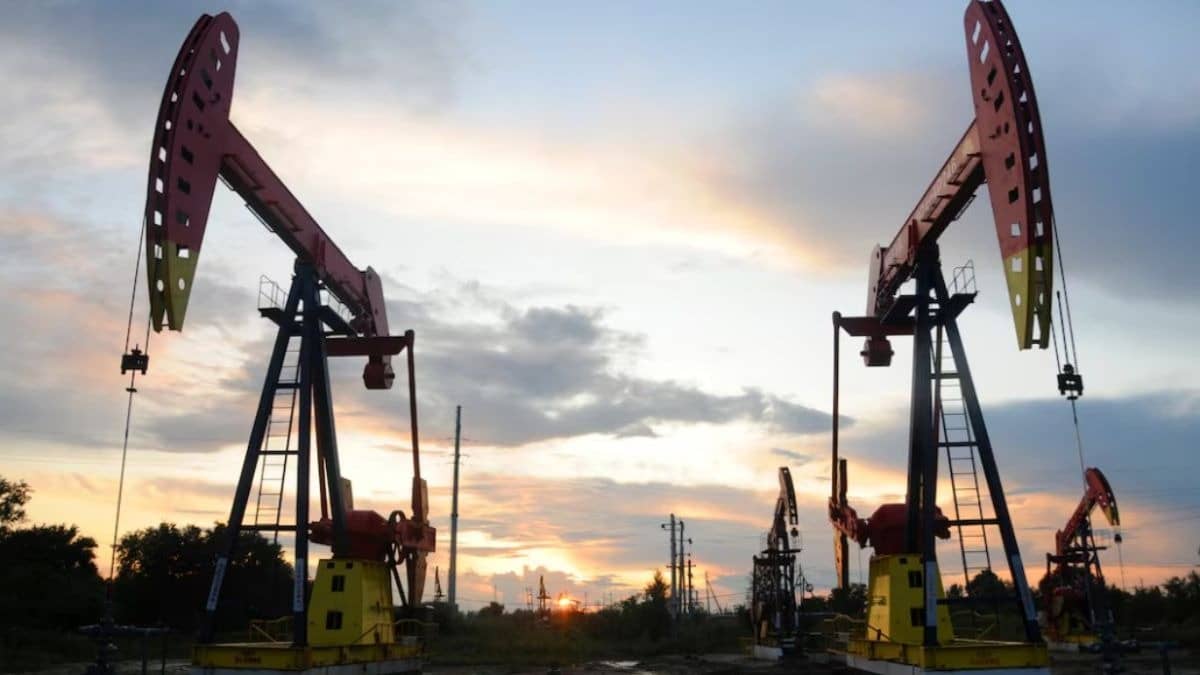
Oil Prices Rise as Iran-U.S. Tensions Threaten Gulf Supply

Iran Escalates Pressure as Hormuz Deal Nears Amid War
US Becomes India’s Main LPG Supplier as West Asia Falters
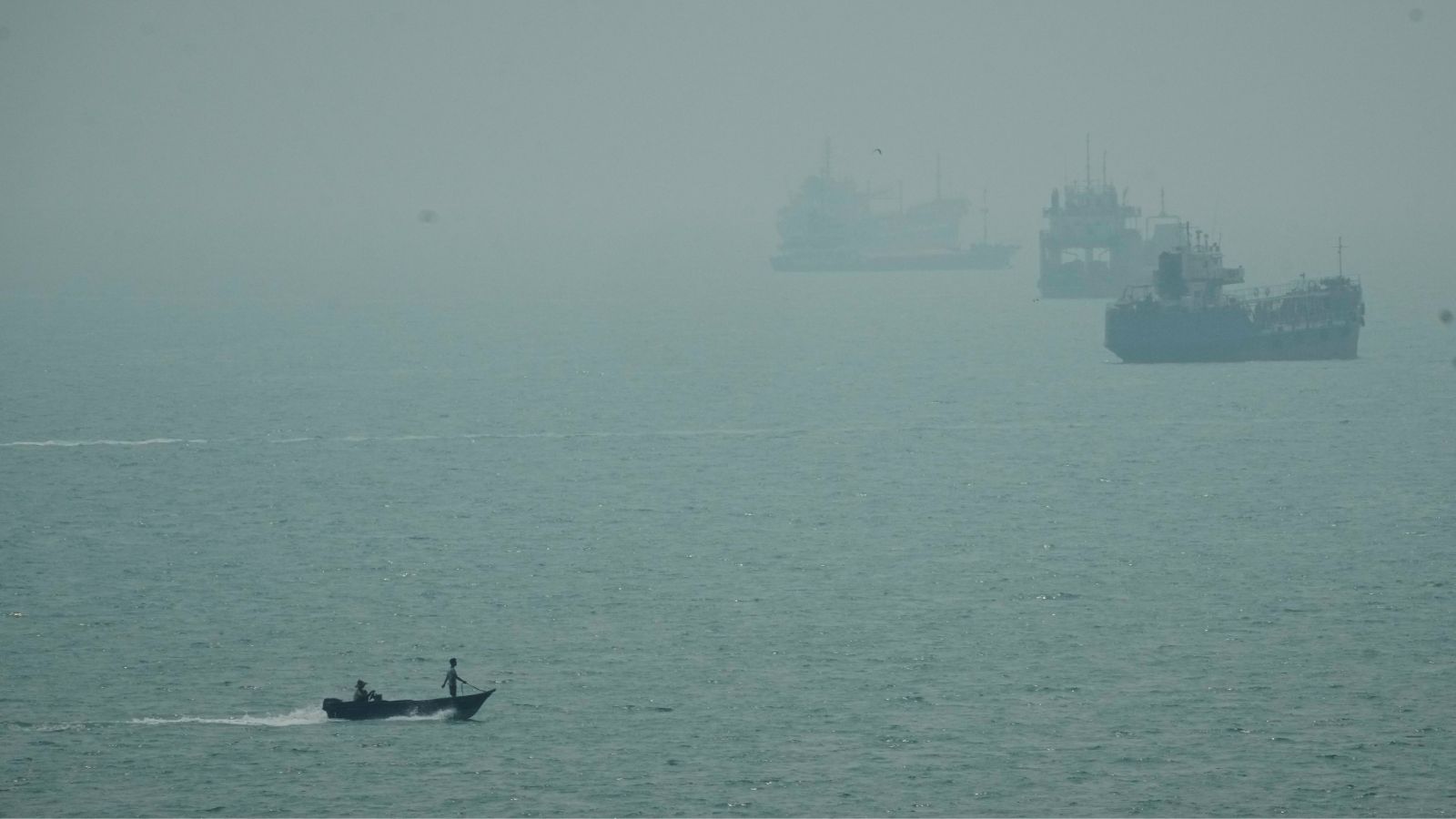
Hormuz Traffic Falls as US Insists Waterway Remains Fully Open
