1 hr ago
Oil Prices Rise as Iran-U.S. Tensions Threaten Gulf Supply
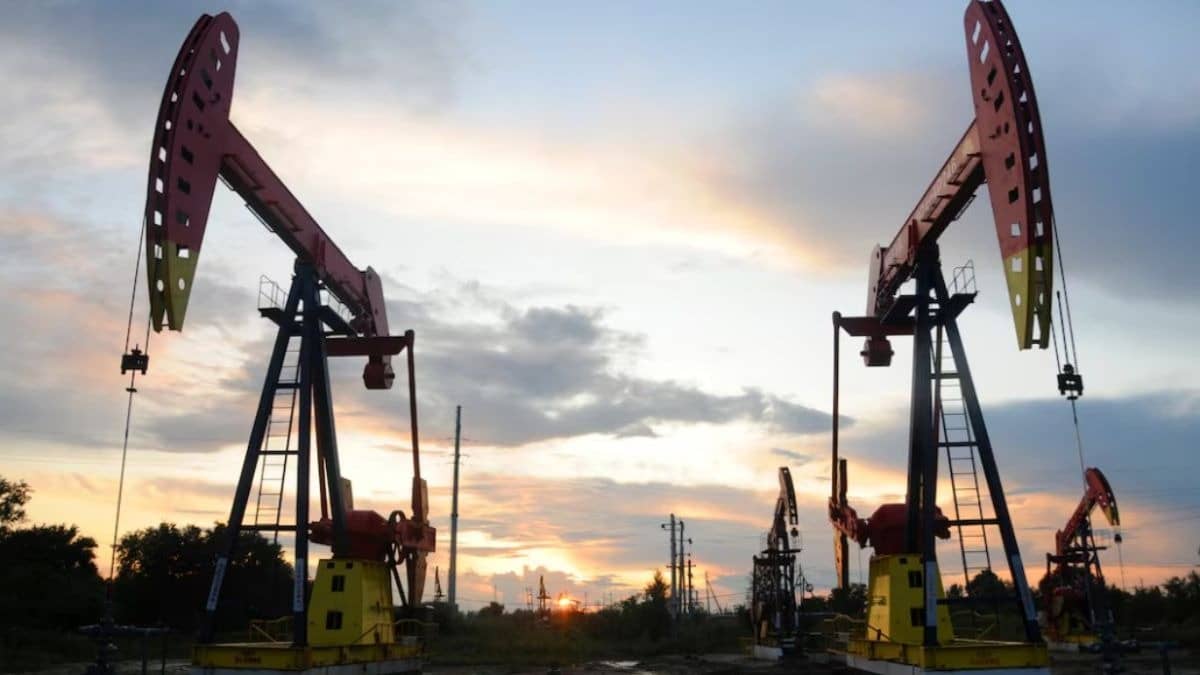
Oil became more expensive because fighting in the Middle East may last a long time.
Iran warned that energy facilities around the Gulf could be attacked.
The United States and Iran have exchanged strikes.
This has made traders worry that less oil might move through the region.
The Strait of Hormuz is especially important for oil shipments.
Brent oil rose to $97.34 a barrel, and another type called WTI reached $92.63.
Analysts think supplies could stay limited through 2026.
Goldman Sachs also expects shipping problems to continue into 2027.

Brent crude rose 34 cents to $97.34 a barrel, while WTI gained $1.15 to $92.63.
Iran warned that Gulf energy infrastructure, including U.S. oil and gas interests, could be vulnerable.
United States forces reportedly struck three Iranian oil tankers after attacks by Iran’s Revolutionary Guards on U.S. warships.
Analysts said prolonged conflict could constrain Persian Gulf oil supplies through 2026 and delay a full recovery until 2027.
Goldman Sachs raised its 2026 and 2027 Brent and WTI forecasts because it expects shipping disruptions to continue.
- Who
- Iran, the United States, and oil-market analysts and traders are involved.
- What
- Oil prices increased as escalating Iran-U.S. tensions raised concerns about disruptions to Middle Eastern oil supplies.
- Where
- The tensions center on the Persian Gulf, the Strait of Hormuz, and areas near Kharg Island.
- When
- Prices rose on Tuesday after strikes over the weekend and warnings issued on Monday.
- Why
- Markets fear that prolonged conflict and attacks on energy infrastructure or shipping could reduce oil flows.
Key facts
- Brent price
- $97.34 a barrel, up 34 cents, or 0.35%.
- WTI price
- $92.63 a barrel, up $1.15, or 1.26%.
- Key shipping route
- The Strait of Hormuz, described as a major route for global crude shipments.
- Reported U.S. action
- United States forces struck three Iranian oil tankers, including one near Kharg Island, according to United States Central Command.
- Iranian warning
- Iran said Gulf energy infrastructure, including U.S. oil and gas interests, was vulnerable.
- Goldman Sachs forecast
- The bank raised its December 2026 Brent and WTI forecasts to $85 and $80, respectively.
- Supply outlook
- ANZ analyst Daniel Hynes said Persian Gulf supply could remain constrained through 2026, with pre-conflict throughput not returning until late Q1 or early Q2 2027.
Quotes
Daniel Hynes
Analyst at ANZ
“The recent escalation of the Middle East conflict has increased the likelihood of a prolonged standoff, punctuated by calibrated military action by the U.S. and Iran. This could see Persian Gulf supply remain constrained through the rest of 2026。”
 republicworld.com
“We don't expect a full return to pre-war throughput until late Q1 or early Q2 2027.”
republicworld.com
Sources
Related news

Oil Prices Surge Above $90 as US-Iran Tensions Escalate
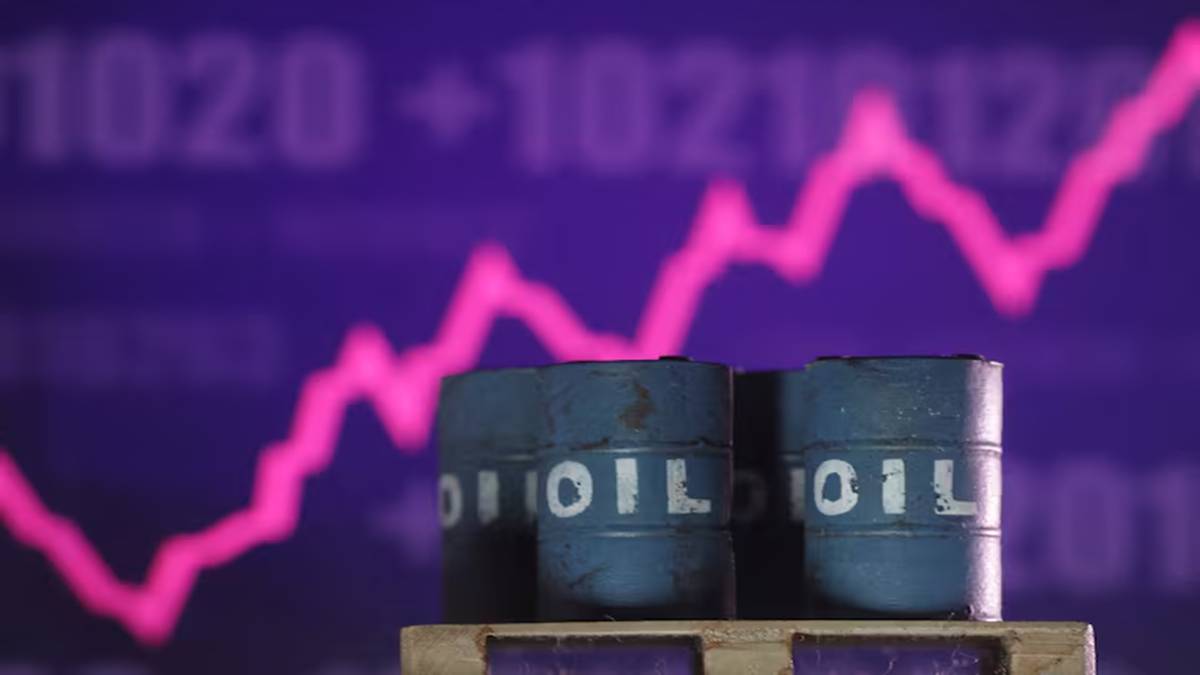
Oil Prices Rise as US-Iran Strikes Threaten Hormuz Supplies

Brent crude crosses $90 as US-Iran conflict prolongs

Oil Surges Above $90 as Hormuz Risks Intensify
Oil prices fall on demand cuts despite US-Iran supply risks