

1 month ago
Heatwave Exposes Nazi Wrecks, Mammoth Bones, 1937 Ship
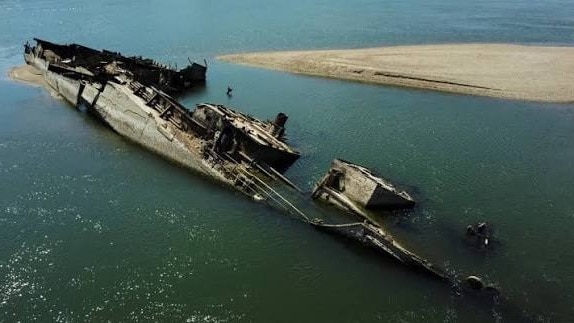
A big heatwave in Europe made the Danube River very shallow.
Because of this, old German warships that were sunk in 1944 near a town called Prahovo in Serbia are now visible.
A coal ship that sank in 1937 near Opatovac in Croatia is also on the riverbed.
In Bulgaria, people found parts of an ancient mammoth near a village called Ryahovo.
These discoveries show how the river has changed.
The low water is also making it hard for ships to travel, hurting tourism, and even affecting power plants that need water to cool down.

Drought in Central and Eastern Europe has lowered Danube levels, revealing WWII-era German warships scuttled in 1944 near Prahovo, Serbia.
The 1937 coal ship Fulton, sunk near Opatovac, Croatia, is now visible on the exposed riverbed.
A Bulgarian riverbed near Ryahovo has yielded a lower jaw, tusks, and possible rib of an ancient mammoth.
The exposed wrecks pose safety hazards due to potential live munitions and obstruct commercial shipping.
Low water levels are disrupting freight transport, river cruises, tourism, and nuclear power plant cooling across the region.
- Who
- German warships, experts, European authorities
- What
- Exposed WWII wrecks, a 1937 cargo ship, and mammoth bones due to drought
- Where
- Danube River near Prahovo, Serbia; Opatovac, Croatia; Ryahovo, Bulgaria
- When
- This year's heatwave
- Why
- Prolonged heat and limited rainfall lowered river levels
Key facts
- River
- Danube
- Countries affected
- Serbia, Croatia, Bulgaria
- Event
- Heatwave-induced drought
- Discoveries
- WWII warships, 1937 cargo ship, mammoth remains
- Impact
- Shipping, tourism, power generation
Sources
Related news
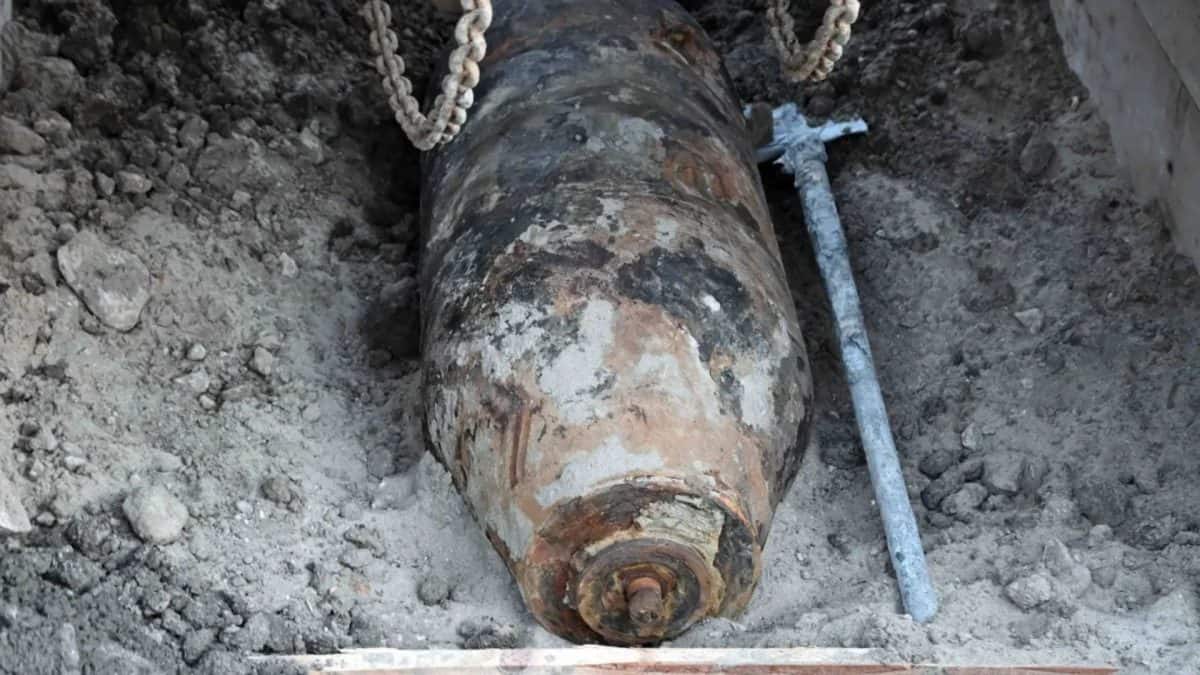
339 Homes Evacuated After WWII Bomb Found Near Falmouth

Russia Targets Cargo Ships as Poland Probes Drone Incursion

Rhine water levels fall again, raising cargo shipping costs
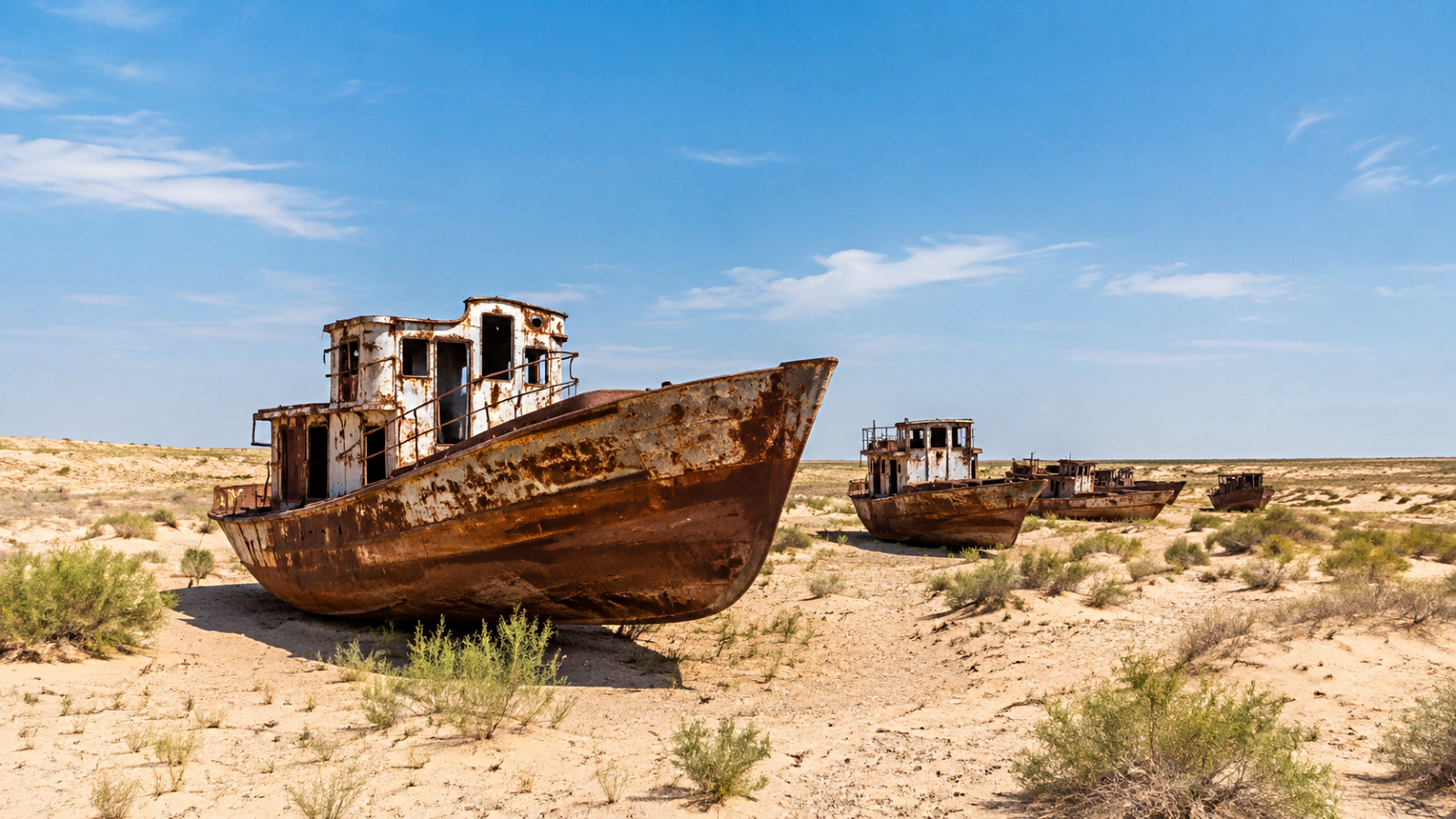
Moynaq’s Vanished Sea Becomes an Unusual Tourist Attraction

Germany Accuses Russia After Explosive Drone Found At Airport
Hungary’s Paks Nuclear Plant Nears Full Capacity by Wednesday
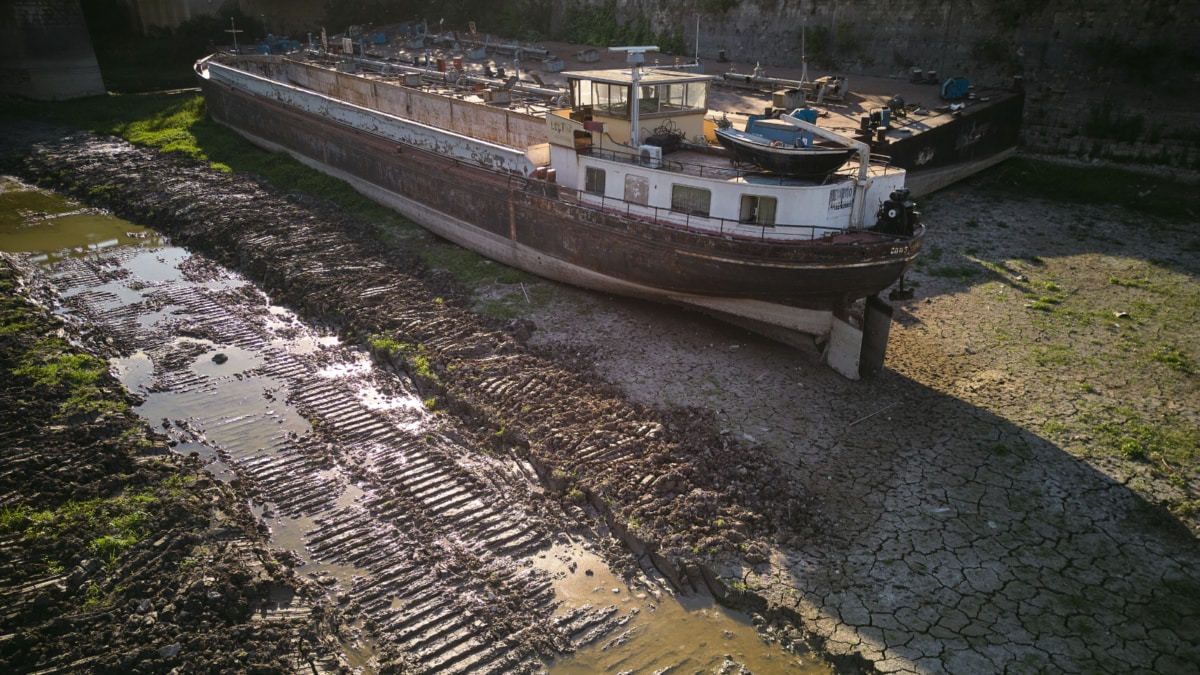
Europe’s Drying Rivers and America’s Reservoirs Signal Water Crisis

Punishing European Drought Shrivels Crops, Hits Farmers Across Continent
Europe's 2026 summer: burning, drying out, struggling to adapt
Danube Dries Up, Exposing WWII Soldiers' Perfectly Preserved Remains
