1 hr ago
Pangea Ultima Could Make Most Land Uninhabitable for Mammals
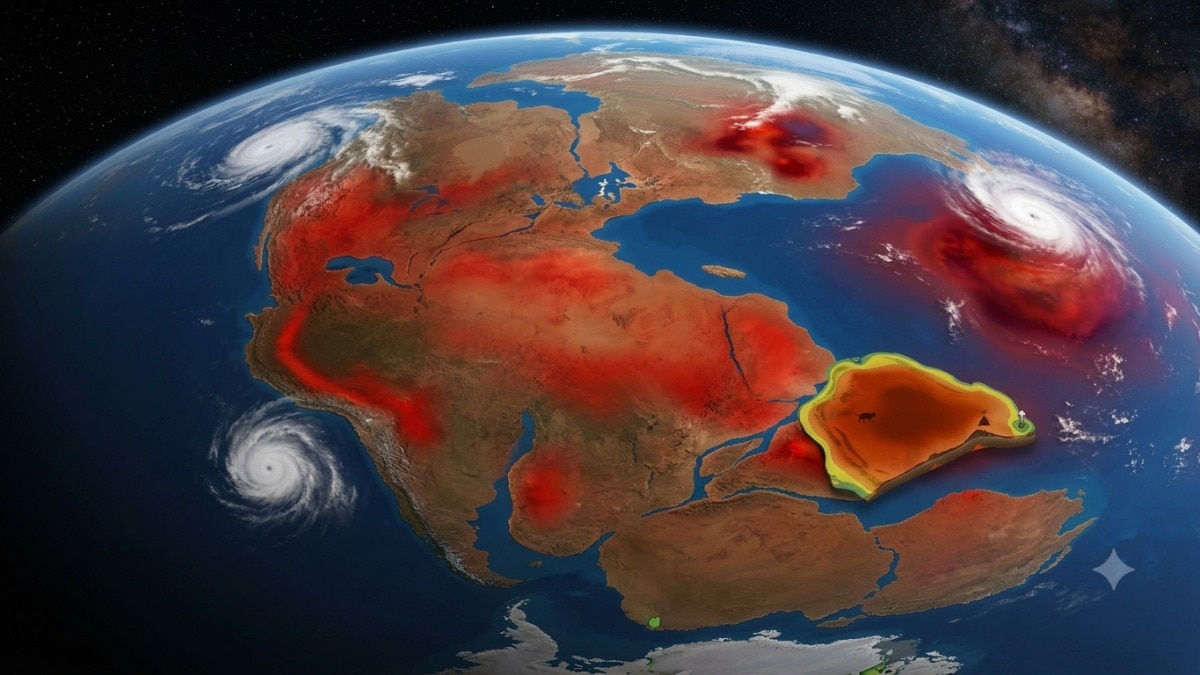
Earth’s continents are slowly moving because of tectonic plates.
Far in the future, they could join together to form a giant supercontinent called Pangea Ultima.
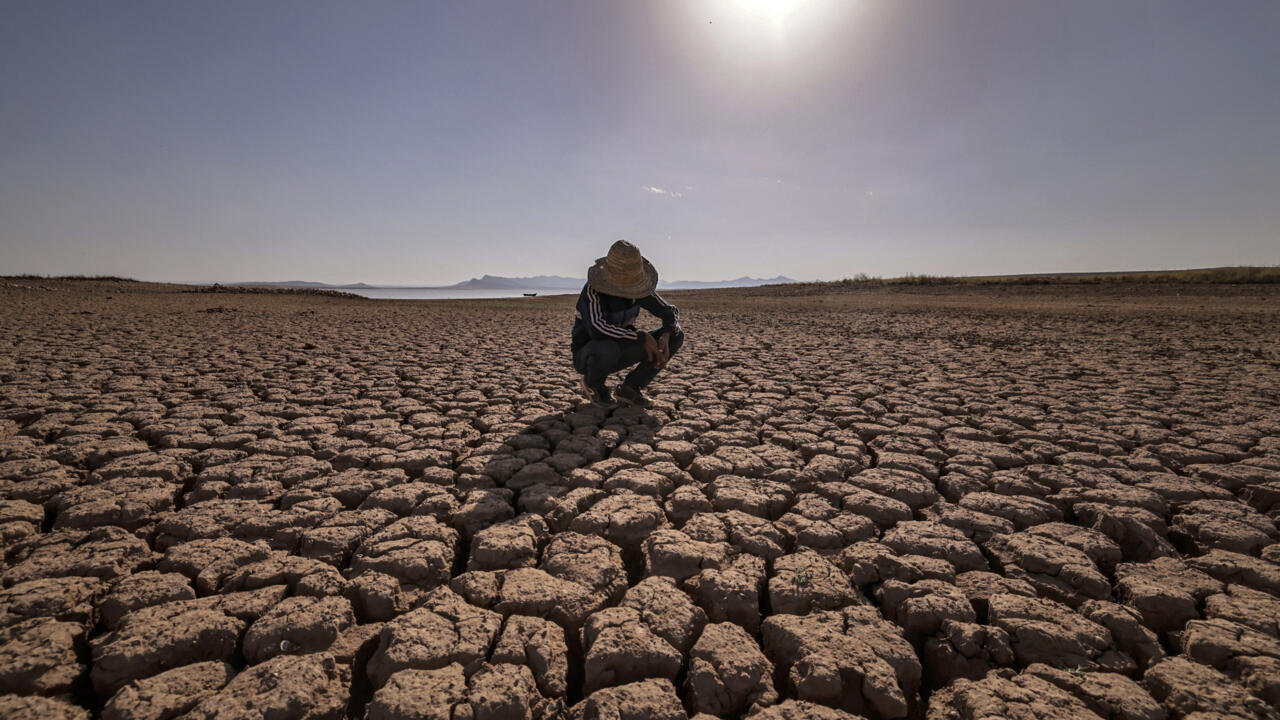
Scientists think this land arrangement could make many places much hotter and drier.
The middle of the supercontinent would be far from the cooling effects of oceans.
The Sun will also become slightly brighter over time.
Together, these changes could make as much as 92% of Earth’s land too harsh for mammals.
This does not mean all life would disappear.
Some organisms that tolerate heat and dryness better could still survive.

Earth’s tectonic plates may eventually bring major landmasses together into a supercontinent called Pangea Ultima.
A 2023 study found that up to 92% of Earth’s land could become unsuitable for mammals under some conditions.
Extreme heat and dryness would be concentrated in the supercontinent’s vast interior regions.
About 250 million years from now, the Sun could provide roughly 2.5% more energy than it does today.
Earth would not become lifeless, as organisms with different heat tolerances and water needs could survive in some areas.
- Who
- Scientists studying Earth’s future climate and mammal habitability.
- What
- A possible future supercontinent, Pangea Ultima, could make up to 92% of land unsuitable for mammals.
- Where
- Across a future supercontinent formed when major landmasses come together.
- When
- In the deep future, with relevant conditions discussed at roughly 250 million years from now.
- Why
- Tectonic rearrangement, increased solar energy, atmospheric carbon dioxide, and continental climate effects could cause extreme heat and dryness.
Key facts
- Future supercontinent
- Pangea Ultima is one possible future arrangement of Earth’s continents.
- Estimated timescale
- The scenario concerns the deep future; the article cites roughly 250 million years from now.
- Potentially unsuitable land
- Up to 92% of Earth’s land could become unsuitable for mammals under some modeled conditions.
- Solar change
- The Sun could provide about 2.5% more energy to Earth in roughly 250 million years.
- Main threats
- Extreme heat and dryness, especially in areas far from oceans.
- Other possible configurations
- Novopangea, Aurica, and Amasia are alternative supercontinent scenarios.
- Study basis
- A 2023 study modeled carbon dioxide, solar radiation, and the climate effects of a supercontinent.
Sources
Related news
Future Supercontinent Could Make Earth Uninhabitable for Humans
Musk Warns Climate Action Alone May Not Save Humanity

Musk Warns Sustainable Energy Alone Cannot Save Humanity

UN Report Says 1.5°C Breach Near, Return Still Possible
UN Says World Will Exceed Paris Warming Limit