6 days ago
Kasagi Mutton Draws Crowds to Maharashtra’s Weekly Bazaar
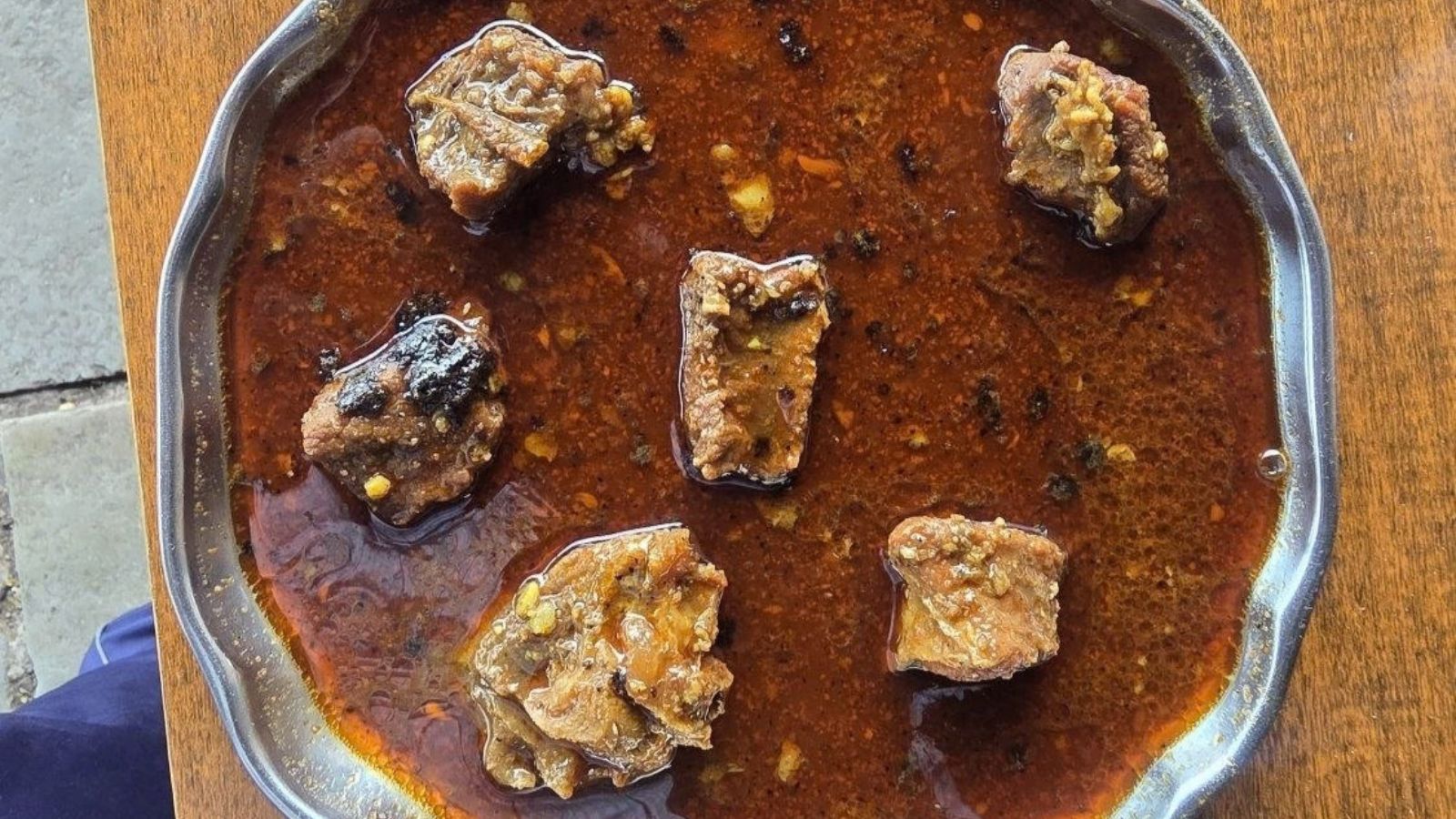
Kasagi is a village in Maharashtra where people gather every Tuesday for a market.
Many visitors come to eat a special mutton curry made by the Mulla family.
The family has been selling it since 1960, and its third generation now runs four branches.
They cook the meat slowly in small batches.
At first, they do not add water, so the meat cooks in its own juices and fat.
The cooks use local spices, coconut and chillies to give it flavour.
Cooking a batch takes about 75 to 80 minutes.
The family also serves other mutton dishes, including biryani.

The Mulla family has sold Kasagi mutton at the Tuesday bazaar since 1960, and the business is now run by the third generation across four branches.
Customers travel from places including Latur, Dharashiv, Gulbarga and Solapur to eat the dish.
The family cooks batches of about 7–8 kg without adding water initially, letting the meat cook in its own juices and fat.
The recipe uses groundnut oil, onions, locally prepared spices, Rajapuri coconut copra, and Teja and Guntur chillies.
A batch takes about 75–80 minutes to cook; the menu has also expanded to include biryani, jigri, kalija and gurda.
- Who
- The Mulla family, including Jameer and Dawood Mulla, runs the Kasagi mutton business.
- What
- A long-running family business sells slow-cooked Kasagi mutton and other mutton dishes.
- Where
- Kasagi village, in Maharashtra’s Dharashiv district.
- When
- The weekly bazaar takes place every Tuesday; the family began selling the dish in 1960.
- Why
- The Tuesday market is an important business day, and customers travel to Kasagi for the family’s distinctive mutton preparation.
Traditional method
Menu expansion
How the dish is prepared
Traditional method
The family says the traditional method—slow cooking without adding water at first—defines Kasagi mutton’s character and concentrates its flavours.
Menu expansion
The article reports no opposing view on the cooking method; it notes that customers who want more gravy can have water added after the meat is fully cooked.
Business offering
Traditional method
The Tuesday market and the original Kasagi mutton remain central to the family business.
Menu expansion
The family has broadened its menu to include dishes such as biryani, jigri, kalija and gurda.
Key facts
- Started
- 1960
- Business generation
- Third generation
- Branches
- Four
- Market day
- Tuesday
- Batch size
- About 7–8 kg
- Cooking time
- About 75–80 minutes
- Goats used on a Tuesday
- Around nine to 10 over about seven hours, according to Jameer
Quotes
Dawood Mulla
Member of the Mulla family that prepares and sells Kasagi mutton.
“The ingredients, including the spices, are prepared locally. We use Rajapuri coconut copra, which is heated in an earthen stove and then powdered. We also use a mixture of Teja and Guntur chilli powder. The meat, spices and coconut come together slowly, and the colour and taste change as the cooking progresses.”
 indianexpress.com
“For us, the most important part is that no water is added while the mutton is cooking. The meat cooks in its own juices and fat. If customers want more gravy, water is added only after the mutton is completely cooked.”
indianexpress.com
Sources
Related news
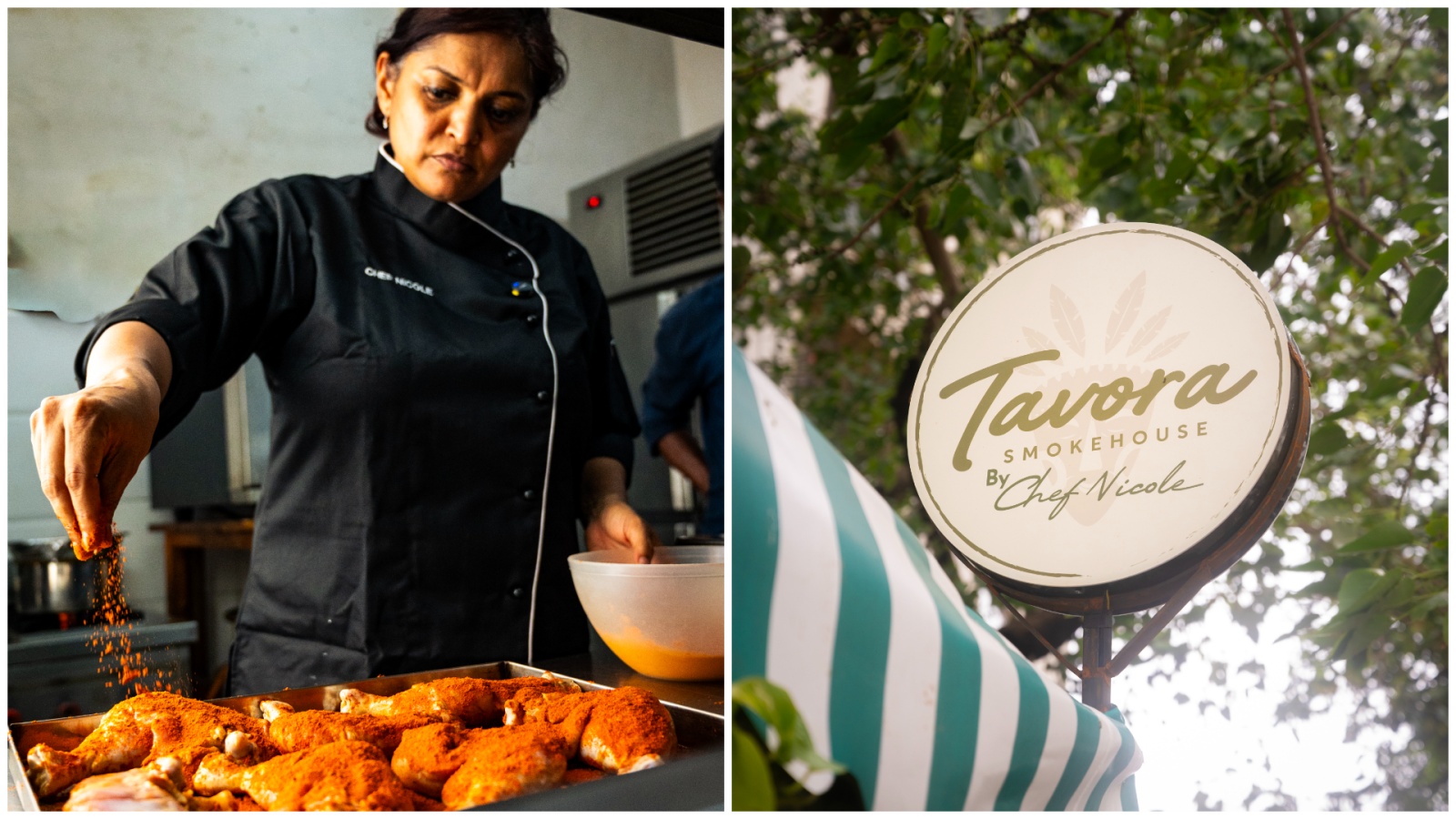
Bandra Smokehouse Brings African Braai Cooking to Mumbai
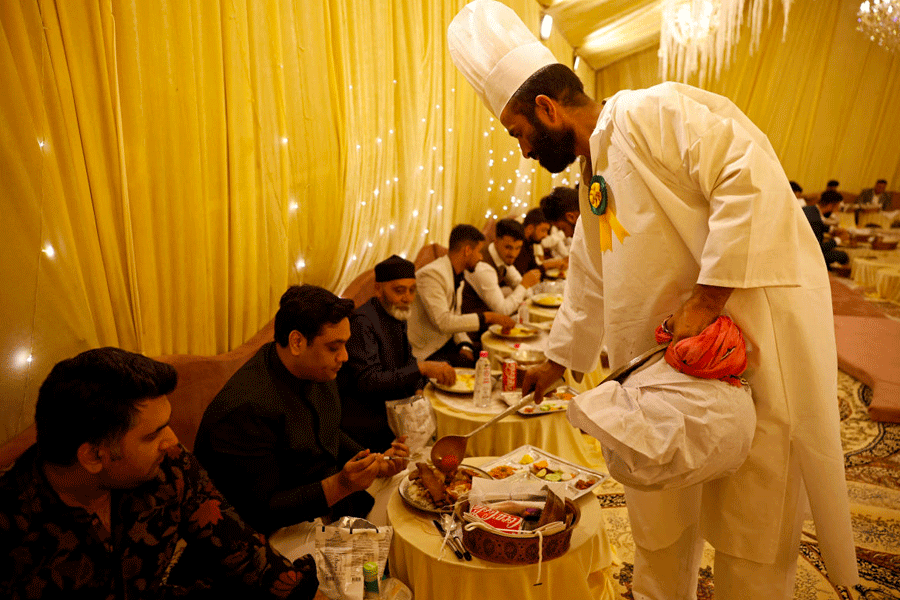
Kashmir's Wazwan Preserves 600-Year Roots as Chefs Embrace Change

Qazi Touqueer’s Favourite Marchwangan Kormé Is a Wazwan Staple
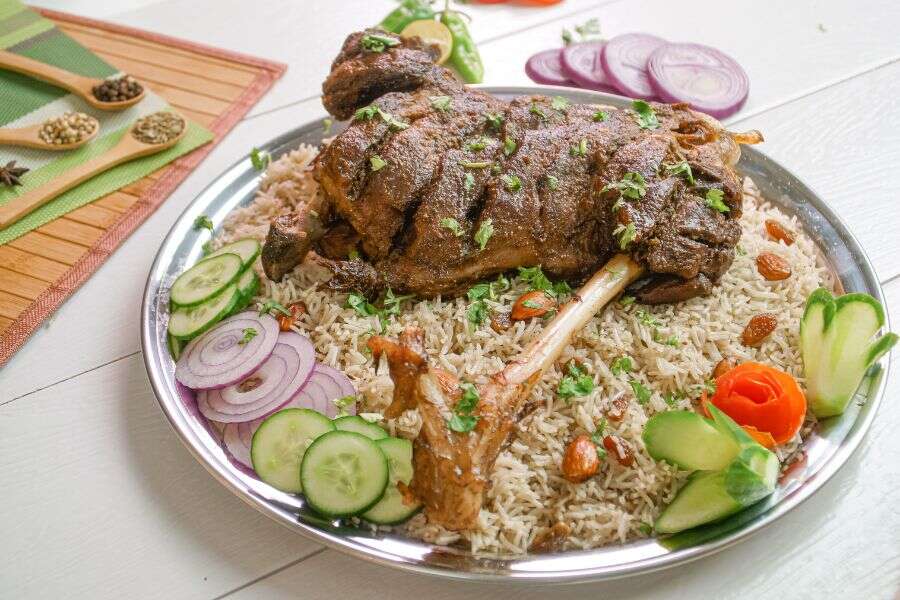
Five Kolkata Restaurants Serving Mandi and Sharing Platters
A Hyderabadi Biryani That Sings With Quiet, Royal Flavours

Nana’s Brings Malnad Family Recipes To Bengaluru Dining

Police Bolster Security at Dipke’s Maharashtra Home

Thackeray Alleges Five Lakh Ghost Voters; Poll Body Cites Duplicates

Karivili Sarpanch Arrested in Alleged Rs 7.5 Lakh Bribery Case
Letters Call for Strong Opposition and Reflect on Public Life

Ramayana Navratri Event in Ramtek Postponed Amid Drought