2 hrs ago
Endangered Thick-Billed Parrot Shows Strong Nesting Season in Mexico
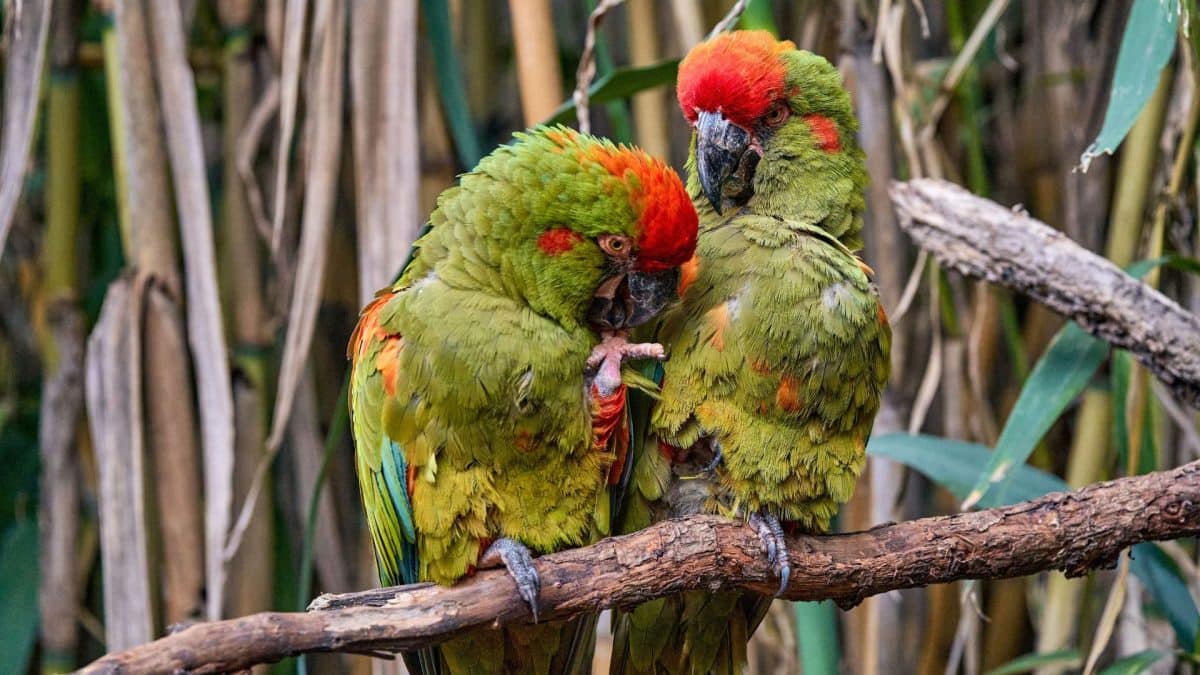
Thick-billed parrots are rare birds that live in northern Mexico.
They build nests in old pine trees high in the mountains.
Conservation workers say the parrots are having one of their strongest nesting seasons.
A recent count found about 2,500 birds, although another study estimated fewer than 2,000.
Workers have built more than 110 nest boxes to give the birds more places to raise chicks.
Local communities have also helped protect parts of the forest.
Satellite tags have revealed new places where the parrots stop and nest.
Logging, fires, climate change and bobcats still threaten the birds.
Scientists say bigger protected areas are needed to keep the species safe.

The thick-billed parrot is showing signs of one of its strongest nesting seasons after 32 years of conservation work.
The species breeds only in high-elevation pine forests of Mexico’s Sierra Madre Occidental, mainly in Chihuahua and Durango.
A census counted about 2,500 birds, though a 2023 tracking study estimated fewer than 2,000.
Artificial nest boxes, habitat protection, forest restoration and satellite tracking have supported conservation efforts.
Logging, wildfires, climate change and increased bobcat predation continue to threaten the parrot’s recovery.
- Who
- The endangered thick-billed parrot, conservation groups, Mexico’s national protected areas commission and local communities.
- What
- The parrot is showing signs of a particularly strong nesting season after decades of conservation work.
- Where
- The species breeds in pine forests above 2,000 metres in Chihuahua and Durango, within Mexico’s Sierra Madre Occidental.
- When
- Conservation began in 1995; the parrots generally nest between June and October.
- Why
- Conservation measures have improved nesting opportunities and protected habitat, although logging and other threats remain.
Conservation Optimism
Conservation Concerns
Population and nesting outlook
Conservation Optimism
The strong nesting season, a census of about 2,500 birds and decades of successful nest monitoring suggest that conservation measures are producing progress.
Conservation Concerns
Population estimates differ, with a 2023 tracking study placing the total below 2,000; slow breeding means recovery remains fragile.
Current protection measures
Conservation Optimism
Nest boxes, habitat protection, forest restoration, community agreements and satellite tracking have created new tools for protecting the parrots.
Conservation Concerns
Researchers say existing efforts may not be sufficient because the birds depend on mature forests threatened by logging, fires and climate change.
Habitat management
Conservation Optimism
Local ejidos have kept some areas out of logging and supplied wood for nest boxes, while other communities have received funding to protect nesting grounds.
Conservation Concerns
Conservation groups say larger protected zones are needed, citing the loss of about 99 percent of the original high-elevation pine-oak forest.
Key facts
- Estimated population
- About 2,500 birds in a census by Conanp and Organización Vida Silvestre; a 2023 tracking study estimated fewer than 2,000.
- Breeding range
- High-elevation pine forests of the Sierra Madre Occidental in Chihuahua and Durango, Mexico.
- Nesting period
- June through October.
- Conservation history
- Conservation work began in 1995, and OVIS has monitored breeding for 26 years.
- Nest monitoring
- OVIS followed 605 nests, with about 82 percent producing at least one fledgling.
- Artificial nests
- More than 110 wooden nest boxes have been installed at breeding sites since 2014.
- Migration finding
- One tagged bird traveled 500 kilometres in 24 days, and tracking identified five previously unknown stopover sites.
- Main threats
- Habitat loss from logging, wildfires, climate change and increased predation by bobcats.
Sources
Related news

Maharashtra’s Tiger Reserves Boost Captive-Bred Vulture Survival Rates
Khijadiya Sanctuary Confirmed as Key Black-Necked Stork Breeding Site

Gujarat Inaugurates Great Indian Bustard Soft Release Centre in Kutch
New Zealand’s Black Robin Wins Bird of the Year 2026
Barrukhar Village Challenges India’s Protected Vulture Conservation Model

Rare Sharp-Tailed Sandpiper Sighting Highlights Delhi’s Wetland Importance
US Border Reopens to Mexican Cattle Amid Screwworm Concerns