1 day ago
New Zealand’s Black Robin Wins Bird of the Year 2026
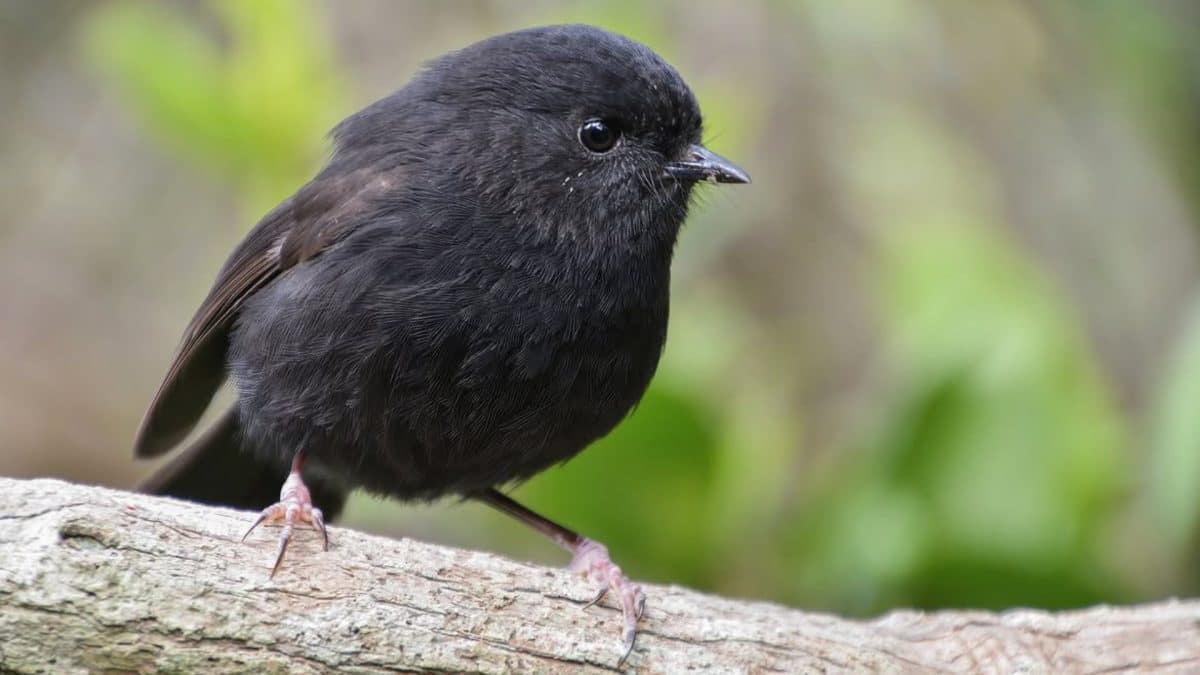
The black robin is a very small, completely black bird from New Zealand’s Chatham Islands.
People sometimes call it New Zealand’s “goth” bird.
It won the 2026 Bird of the Year contest after receiving more than 25,000 votes.
Many years ago, only five black robins were left.
Just one of them was a fertile female.
Conservationists helped the birds by having other bird species foster their eggs.
This helped the population grow to about 350 adults.
The birds live on two protected islands without introduced pests.
Scientists and conservationists still want to create another population so the species has a safer future.

The Chatham Islands black robin, or karure, won New Zealand’s Bird of the Year 2026 competition.
It received 25,610 votes, ahead of the kakapo and New Zealand falcon.
The species fell to just five birds around 1980, including one fertile female.
Conservationists used foster birds from other species to help hatch black robin eggs.
About 350 adult black robins now live on two pest-free Chatham Islands reserves, but the species remains critically threatened.
- Who
- The Chatham Islands black robin, also called karure or kakaruia, won the competition; Forest & Bird runs the contest.
- What
- The black robin was named New Zealand’s Bird of the Year 2026.
- Where
- The birds naturally live in the Chatham Islands, about 800 kilometers east of mainland New Zealand.
- When
- The competition took place in 2026; the species had declined to five birds around 1980.
- Why
- The competition highlights native birds and conservation threats, while the black robin’s recovery made it a notable winner.
Key facts
- Winner
- Chatham Islands black robin, also known as karure
- Winning votes
- 25,610
- Total voters
- 105,000, a record for the competition
- Previous low population
- Five birds around 1980, including one fertile female
- Current population
- Around 350 adults
- Current habitat
- Two pest-free nature reserves in the Chatham Islands
- Next conservation goal
- Establishing a third population, including on Pitt Island
Sources
Related news
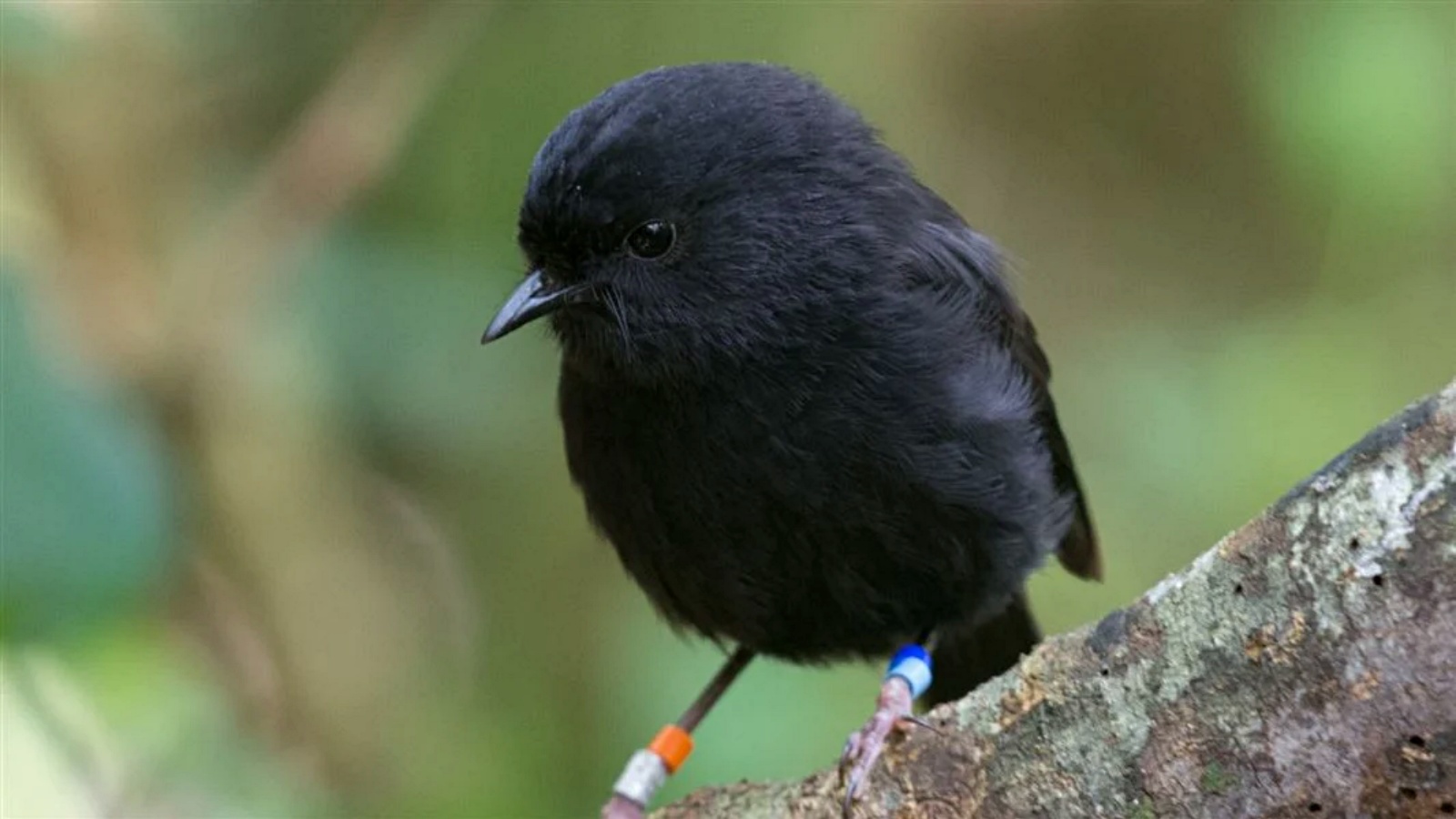
Black Robin Wins New Zealand’s Bird of the Year 2026
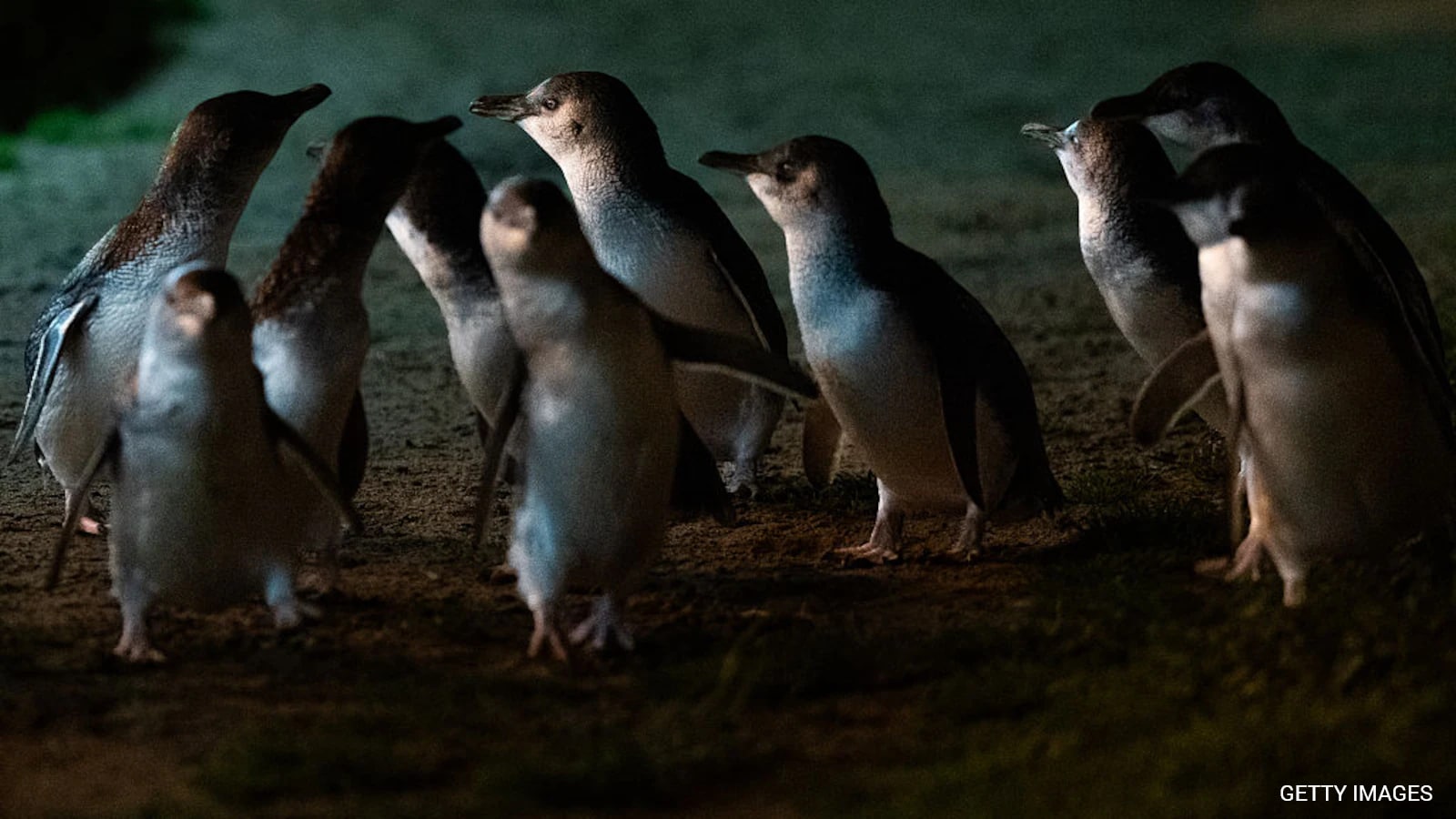
How Phillip Island's Little Penguins Returned From The Brink
Khijadiya Sanctuary Confirmed as Key Black-Necked Stork Breeding Site

Gujarat Inaugurates Great Indian Bustard Soft Release Centre in Kutch
Climate Change Could Threaten 70% of UK Seabirds