1 week ago
Khijadiya Sanctuary Confirmed as Key Black-Necked Stork Breeding Site
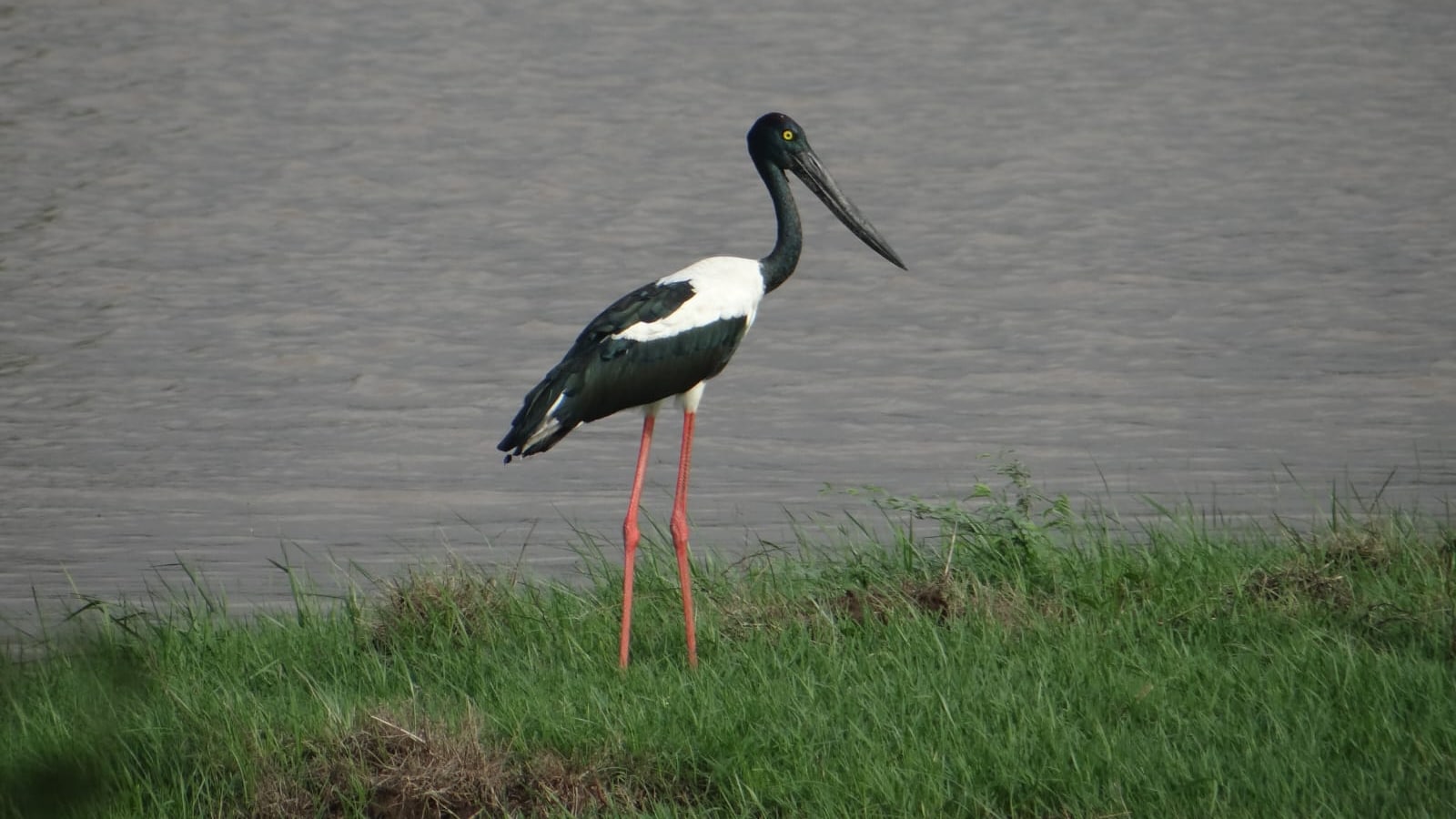
Scientists studied Black-necked Storks at Khijadiya Bird Sanctuary in Gujarat.
They found four active nests during the study.
Each nest produced two young birds, creating eight fledglings.
In total, as many as 21 storks were seen at the sanctuary.
Every young stork successfully learned to fly.
No nests were abandoned, and no chicks were killed by predators or disease during the observations.
The birds built their nests in an invasive tree called Neltuma juliflora.
Shallow water nearby provided fish, amphibians, and crustaceans for food.
Scientists said limited human disturbance and steady water conditions helped the birds succeed.

A Gujarat Ecological Education and Research Foundation study confirmed Khijadiya Bird Sanctuary as a critical Black-necked Stork breeding site.
Researchers found four active nests across eight management zones, producing eight fledglings in total.
The sanctuary supported a peak seasonal population of 21 storks, including non-breeding adults.
All four nests had a 100% fledging success rate, with no abandonment, predation, or chick mortality recorded.
The storks nested in invasive Neltuma juliflora trees, while shallow waters provided food and stable conditions supported breeding success.
- Who
- The Gujarat Ecological Education and Research Foundation studied Black-necked Storks at Khijadiya Bird Sanctuary.
- What
- The study confirmed the sanctuary as a significant breeding site and documented four successful nests.
- Where
- Khijadiya Bird Sanctuary in Jamnagar, Gujarat, across eight management zones.
- When
- Researchers monitored the species from July 2024 through March 2025; breeding ran from nest construction in October until fledging by the end of the year.
- Why
- Stable water conditions, low human disturbance, restricted-access habitats, and nearby feeding grounds supported successful breeding.
Key facts
- Study organization
- Gujarat Ecological Education and Research Foundation
- Publication
- Journal of Threatened Taxa
- Study period
- July 2024 to March 2025
- Active nests
- Four
- Fledglings
- Eight, with two produced by each nest
- Peak seasonal population
- 21 storks
- Fledging success
- 100%, with no recorded nest abandonment, predation, or chick mortality
- Nest tree
- Neltuma juliflora, also called gando baval
Sources
Related news

BNHS sterilises over 2,950 dogs to save black-necked cranes
Ladakh Hosts India's First Black-Necked Crane Festival
Barrukhar Village Challenges India’s Protected Vulture Conservation Model
Vizag Zoo Reports 128 Captive Animal and Bird Births
Japan-backed project targets plastic-free Nal Sarovar bird sanctuary
Rare Sharp-Tailed Sandpiper Spotted at Najafgarh in Fifth Indian Record

Biochar Project Turns Invasive Kachchh Trees Into Carbon Credits