2 weeks ago
In Madanpura, Women's Hands Give Banarasi Sarees Their Final Touch

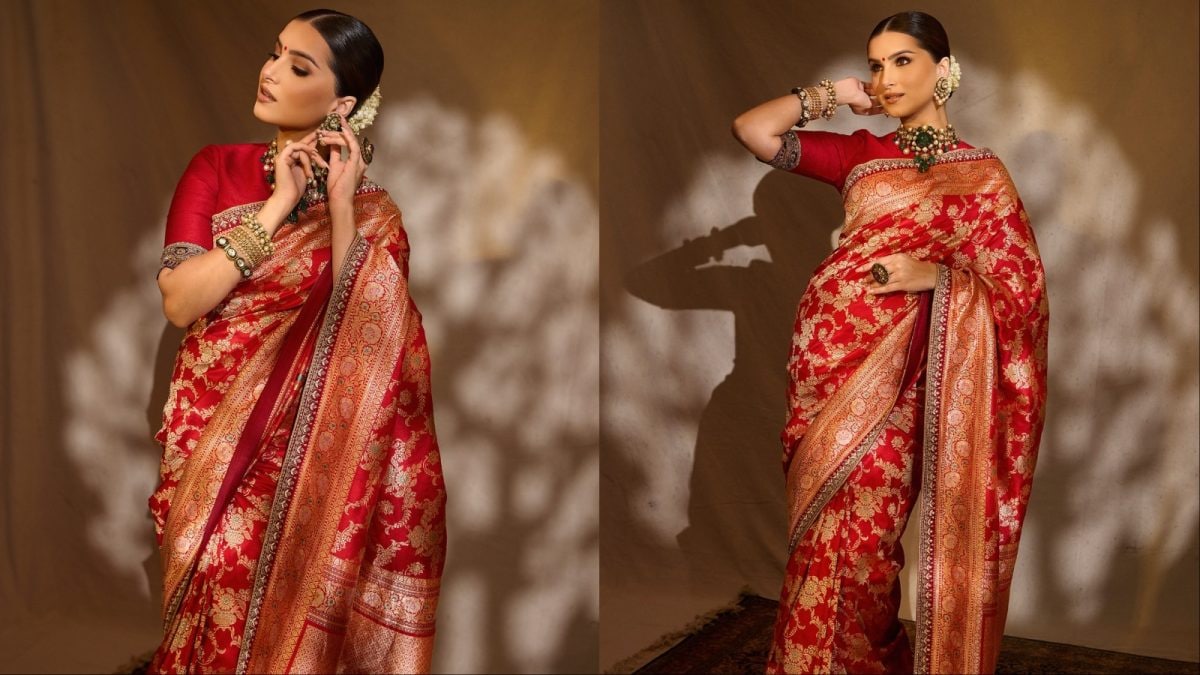
Banarasi sarees are very fancy silk dresses made by hand in a city called Varanasi in India.
Many people work together to make just one saree.
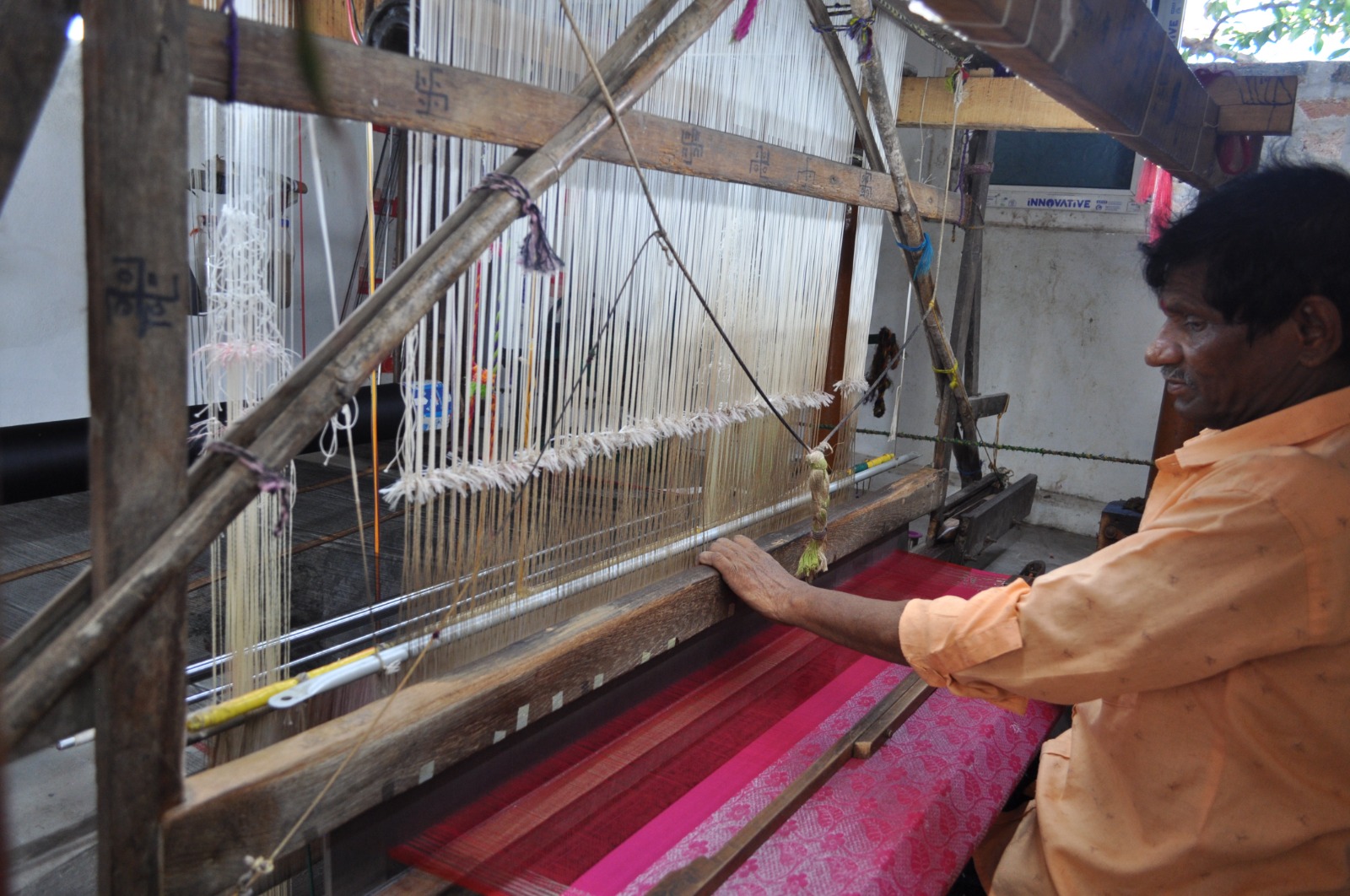
A big weaving machine called a loom makes the patterned cloth, and usually a man in the family runs it.
But a lot of other jobs are needed before and after the weaving.
Women in the Madanpura neighbourhood sort the silk threads by colour, wind them onto bobbins, check the cloth for mistakes, and cut off tiny loose threads.
Cutting the little threads is called katorna, and Shaheen is very good at it because she learned it from her mother-in-law.
The women often do this work while also cooking and looking after children.
When the saree is finished, the whole family gets paid together, so the women's special work does not get its own payment.
Some of the women wish people knew whose hands finished each saree.
Even though nobody outside knows their names, without their careful work the saree would not look perfect.

In Madanpura, Varanasi, women do essential finishing work on Banarasi sarees — sorting threads, winding bobbins, doing katorna, inspecting, and folding — often alongside cooking and childcare.
Shaheen, who learned katorna (cutting loose threads from a saree's reverse) from her mother-in-law, said the saree won't look right if every thread isn't perfect.
Orders reach weaving households through gaddidar contractors, and families are paid only after the saree is completed and delivered.
Women's finishing work carries no individual piece rate; it is treated as part of the household's contribution, which Nazreen said leaves her wondering about its value.
Banaras Brocades and Sarees received Geographical Indication registration in 2009, recognizing the craft's origin but not the individual makers.
- Who
- Women artisans in Madanpura, such as Shaheen and her daughter-in-law Nazreen, who handle finishing work on Banarasi sarees, while male karigars like Shaheen's son operate the looms.
- What
- The hand-finishing of Banarasi sarees — sorting and winding threads, katorna (trimming loose threads), inspection, folding, and delivery preparation — carried out by women inside weaving homes.
- Where
- Madanpura, an old weaving neighbourhood in Varanasi, India.
- When
- During Ramadan, when Shaheen adjusted her work around fasting; the article does not specify a year.
- Why
- The finishing work is essential so each saree is flawless before it leaves the home, and the women's labour is part of the household contribution for which families are paid.
Recognizing Women's Individual Work
Household-Based Craft Payment
Payment for finishing work
Recognizing Women's Individual Work
Women's finishing labour should be valued and paid separately; Nazreen said she would think differently 'if someone said, This part of the work is yours, and this is what it's worth.'
Household-Based Craft Payment
The work is part of the household's collective contribution to a single saree, and the family is paid as one unit through the gaddidar system once the saree is delivered.
Recognition of the craft's makers
Recognizing Women's Individual Work
The 2009 GI tag identifies the saree and its geographical origin but does not tell buyers who sorted the thread, inspected the fabric, or removed its loose threads.
Household-Based Craft Payment
The GI registration gives the craft formal recognition linked to its origin and tells a buyer something important about the product and the tradition it comes from.
Key facts
- Location
- Madanpura, an old weaving neighbourhood in Varanasi
- Craft
- Banarasi silk sarees and brocades
- Key finishing process
- Katorna — cutting extraneous threads from the reverse of a woven saree
- Houses visited
- Around 7–8 weaving homes
- Women interviewed
- Approximately 10–15
- Payment system
- Via gaddidar (contractor); paid to the household once the saree is completed and delivered
- GI registration
- Banaras Brocades and Sarees, 2009
- Notable artisans
- Shaheen (katorna) and Nazreen (silk thread sorting)
Quotes
Shaheen
Senior Banarasi saree finisher in Madanpura, Varanasi
“"People spend so much on a Banarasi saree. They know all about the design, the silk, the zari. But they don’t know whose hands finished it."”
 thebetterindia.com
“"This work may seem small from the outside, but the saree won’t look right if it’s not done properly. Every thread has to be perfect."”
thebetterindia.com
Sources
Related news
How a 73-Year-Old Turned Crochet Into Handmade Rakhi Livelihood

Vidya Balan Champions Handloom Silk Sarees on National Handloom Day
The Republic in 6 yards: how the sari binds India
Payakaraopeta Handloom Saris Win Markets, But Weavers Lose Out

Sharan village weavers celebrate handloom revival as income source
New Book Traces the Sari’s History, Skills and Livelihoods

Natasha Poonawalla Revives 24-Year-Old Versace with Indian Craftsmanship

Ananya Panday Stuns in Banarasi Saree at Marathi Filmfare Awards

Mysore Saree Udyog Boosts Digital Commerce with Netcore Cloud