1 hr ago
How Vishwakarma Became Bengal’s God of Factory Machines

Vishwakarma is a Hindu deity associated with building and making things.
In ancient stories, he is said to have created cities, palaces, weapons and a flying chariot.
In Bengal, factory workers began honoring him in the 19th century.
At first, they sometimes worshipped a simple pitcher with their tools placed nearby.
Later, Vishwakarma was shown as a human-like god in statues and pictures.
The tradition spread from jute mills to many other factories.
On the festival day, machines are turned off and carefully cleaned.
Workers gather around their tools to show respect for the work that supports them.

Vishwakarma worship began in Bengal’s 19th-century jute mills as workers’ tool-worship practice.
By the early 20th century, workers adopted a clean-shaven sculptural image of Vishwakarma.
The practice spread from jute mills to engineering, cotton, chemical and pharmaceutical factories.
Swadeshi companies used the puja to express cultural roots, while European firms saw it as a worker-relations tool.
On the annual festival day, factories stop machines, clean tools and workers worship the equipment supporting their livelihoods.
- Who
- Bengali and Bihari industrial workers, mechanics, drivers, artisans and other factory workers, along with factory owners and managers.
- What
- The article traces how Vishwakarma Puja developed from tool worship into a major factory ritual in Bengal.
- Where
- It began in jute mills in Howrah and Hooghly and spread across Bengal’s factories, engineering firms, mills and workshops.
- When
- The practice emerged in the latter half of the 19th century, took sculptural form around 1900–1910, and spread widely by the early 20th century.
- Why
- Workers honored the tools and machines on which their livelihoods depended; companies also used the festival to express cultural identity or maintain good relations with workers.
Key facts
- First Indian jute mill
- Acland Mill was established in Rishra in 1855.
- Industrial growth
- Eighteen jute mills were established between 1871 and 1875, according to the article.
- Jute industry by 1910
- India had 38 jute firms operating more than 140 mills and 30,000 looms.
- Festival date
- Vishwakarma Puja usually falls on September 17 or 18, depending on the almanac and factory schedules.
- Traditional practice
- Factories switch off machines, clean tools and arrange them for worship.
- Religious origins
- Vishwakarma appears in the Rig Veda as a cosmic creator and was later described in the Puranas as a divine builder.
- Industrial expansion
- The puja spread to engineering, cotton, chemical and pharmaceutical factories in Bengal.
Quotes
Satarupa Mukherjee
Managing director of East India Pharmaceuticals
“Bengalis in the 19th century popularised two pujas or sacred days – the worship of Saraswati, the goddess of learning in the new English-style secular schools and colleges, and the worship of the Lord of machines, Vishwakarma.”
 thestatesman.com
“The workers who were showing their devotion to tools, sometimes between 1900 and 1910, agreed to an innovation- a sculptural representation as a clean-shaven God who became their Vishwakarma.”
thestatesman.com
Sources
Related news

Vishwakarma Jayanti Honors Artisans, Architects, Tools, and Machinery

Acharya Balkrishna Honors Workers as Nation Builders on Vishwakarma Jayanti
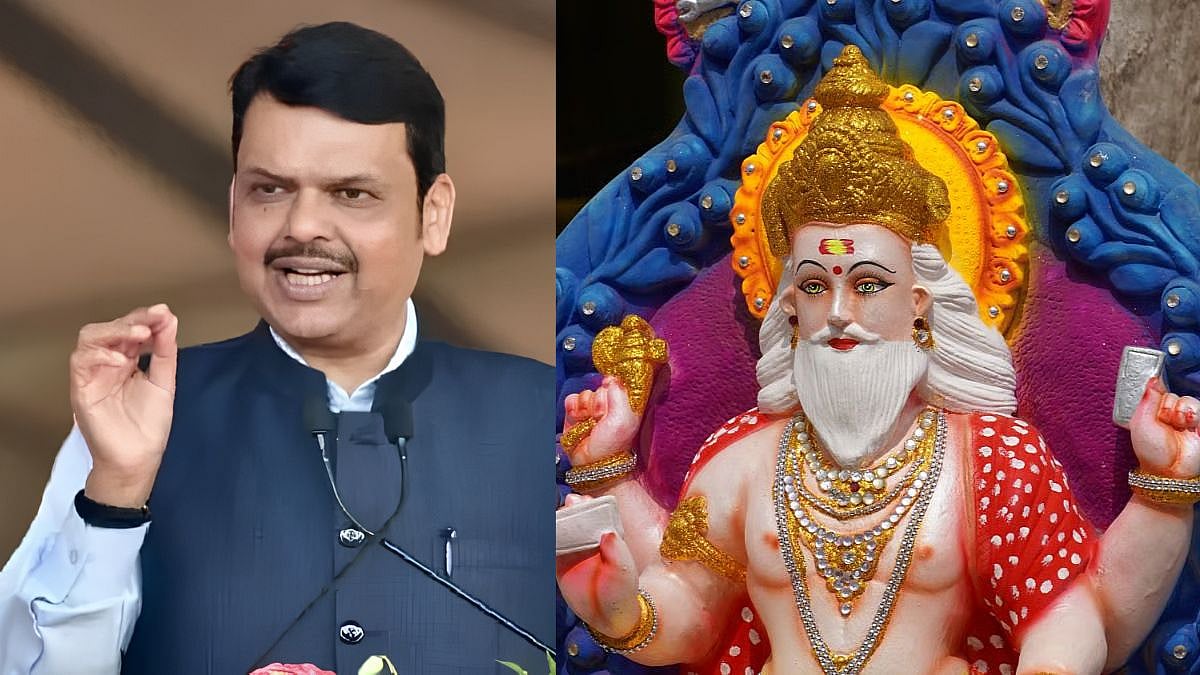
Fadnavis Greets People On Vishwakarma Jayanti Celebrations

Vishwakarma Puja 2026: Traditional Rituals For Prosperity, Business, Home

Why Ahmedabad Is Known As The Manchester Of India
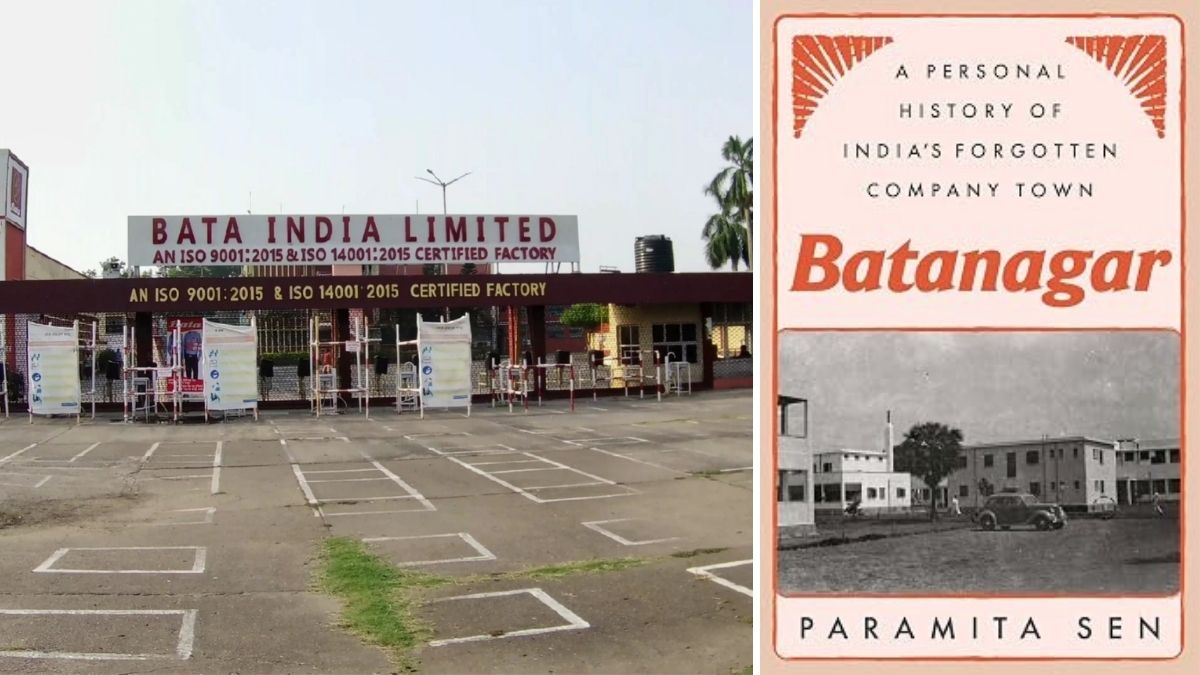
Book Revisits Batanagar’s Lost Company-Town Community and Legacy
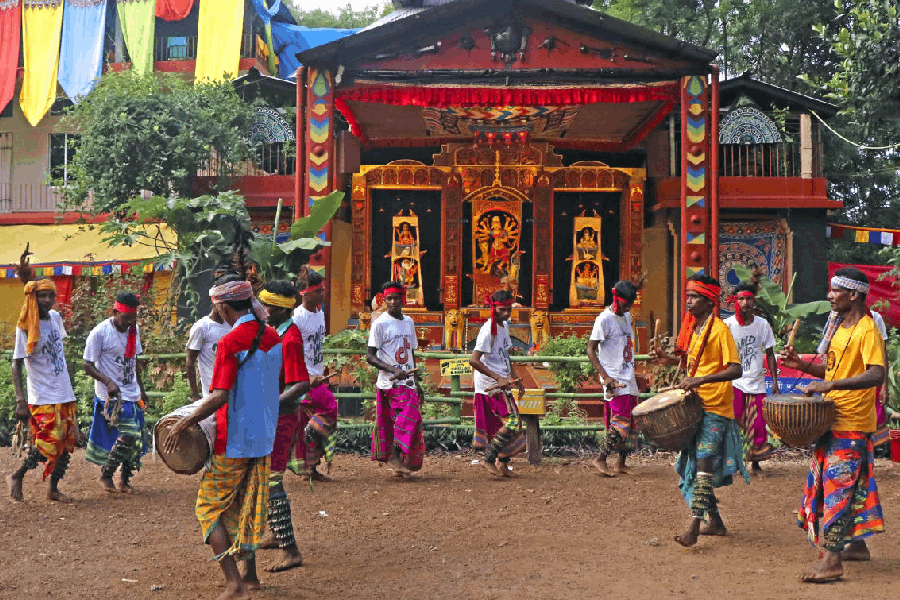
Bengal Fire Department Tightens Durga Puja Pandal Safety Rules

Cricket Stars Shine Across Hyderabad Super League Matches

Hyderabad Cricket Opens With Big Scores And Hauls

Hilsa and Mustard: The Enduring Culinary Romance of Bengal