6 hrs ago
Vishwakarma Jayanti Honors Artisans, Architects, Tools, and Machinery
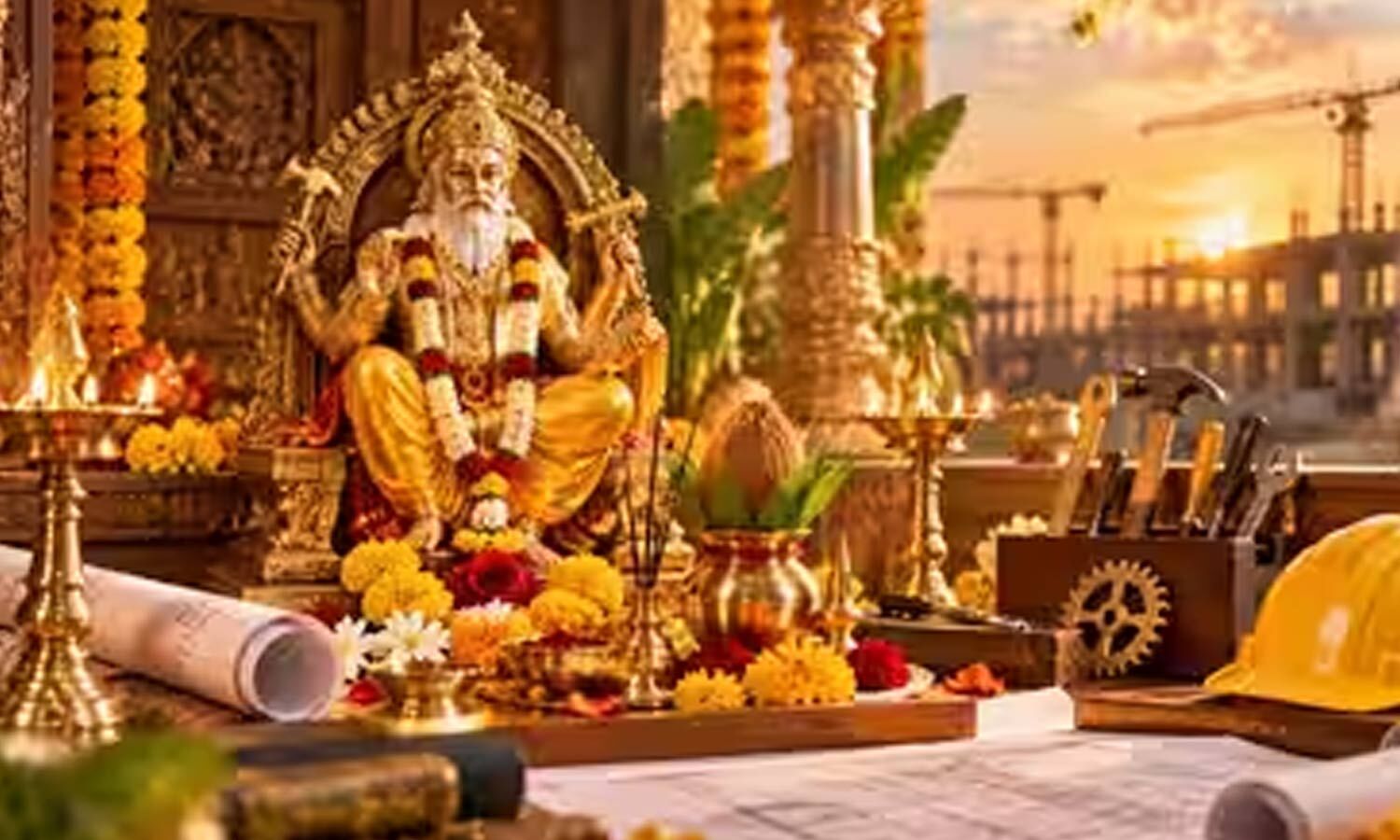
Vishwakarma Jayanti is a Hindu festival honoring Lord Vishwakarma.
He is believed to be the architect and carpenter of the gods.
People celebrate the festival on 17 September this year.
Artisans, engineers, and craftsmen consider him especially important.
They pray for health, safety, prosperity, and success.
They also decorate their workplaces and worship their tools and machines.
The tools are usually kept aside instead of being used during the ceremony.
After the prayers, some people help others by providing food to the poor.

Vishwakarma Jayanti commemorates the birth of Lord Vishwakarma, the divine architect of the gods.
The festival is celebrated on Kanya Sankranti, which falls on 17 September this year.
Artisans, architects, engineers, craftsmen, and workers worship Lord Vishwakarma for prosperity and professional success.
Devotees worship tools and machinery, keeping them unused during the rituals.
Celebrations take place in temples, factories, and offices and may conclude with charitable activities such as feeding the poor.
- Who
- Hindus, especially artisans, architects, engineers, craftsmen, and workers, honor Lord Vishwakarma.
- What
- Vishwakarma Jayanti commemorates Lord Vishwakarma’s birth through prayers, workplace rituals, and worship of tools and machinery.
- Where
- Celebrations are held throughout the country in temples, factories, offices, and other workplaces.
- When
- It is observed on Kanya Sankranti, falling on 17 September this year.
- Why
- Devotees seek Lord Vishwakarma’s blessings for health, safety, prosperity, and success, while preserving the festival’s traditions.
Key facts
- Festival
- Vishwakarma Jayanti
- Honored deity
- Lord Vishwakarma
- Date this year
- 17 September
- Occasion
- Kanya Sankranti
- Associated professions
- Artisans, architects, engineers, and craftsmen
- Ritual practice
- Tools and machinery are worshipped and kept aside during ceremonies
- Charitable activity
- Annadanam, or feeding the poor, may follow the rituals
Sources
Related news
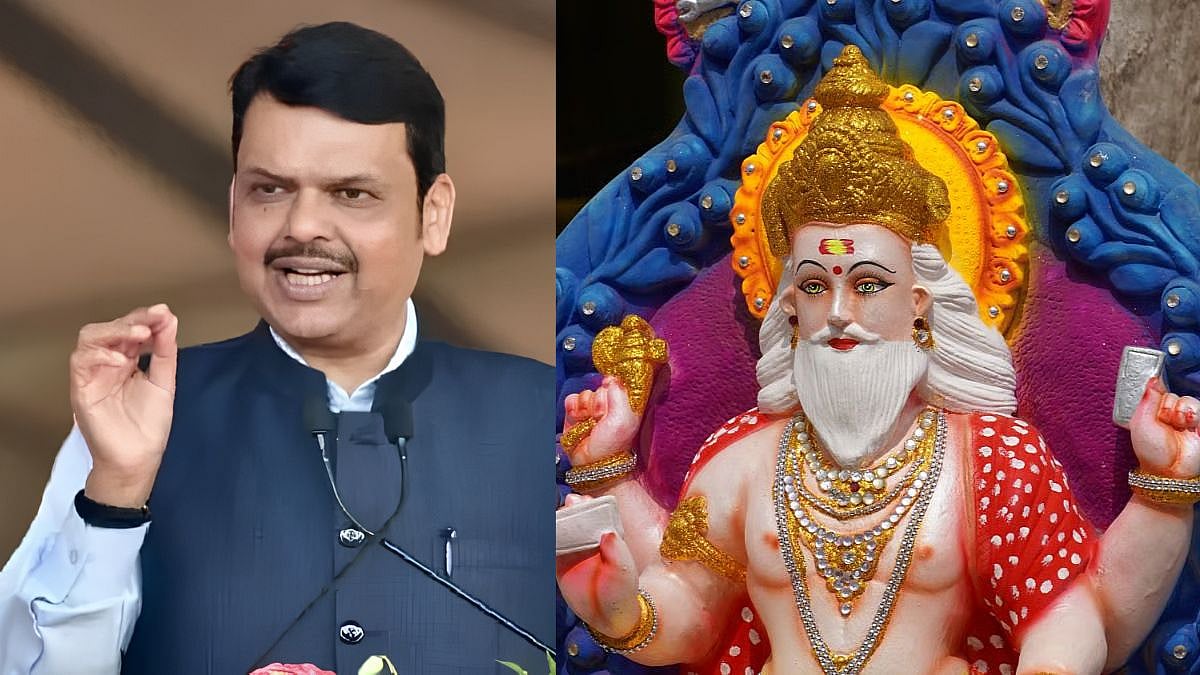
Fadnavis Greets People On Vishwakarma Jayanti Celebrations

Acharya Balkrishna Honors Workers as Nation Builders on Vishwakarma Jayanti
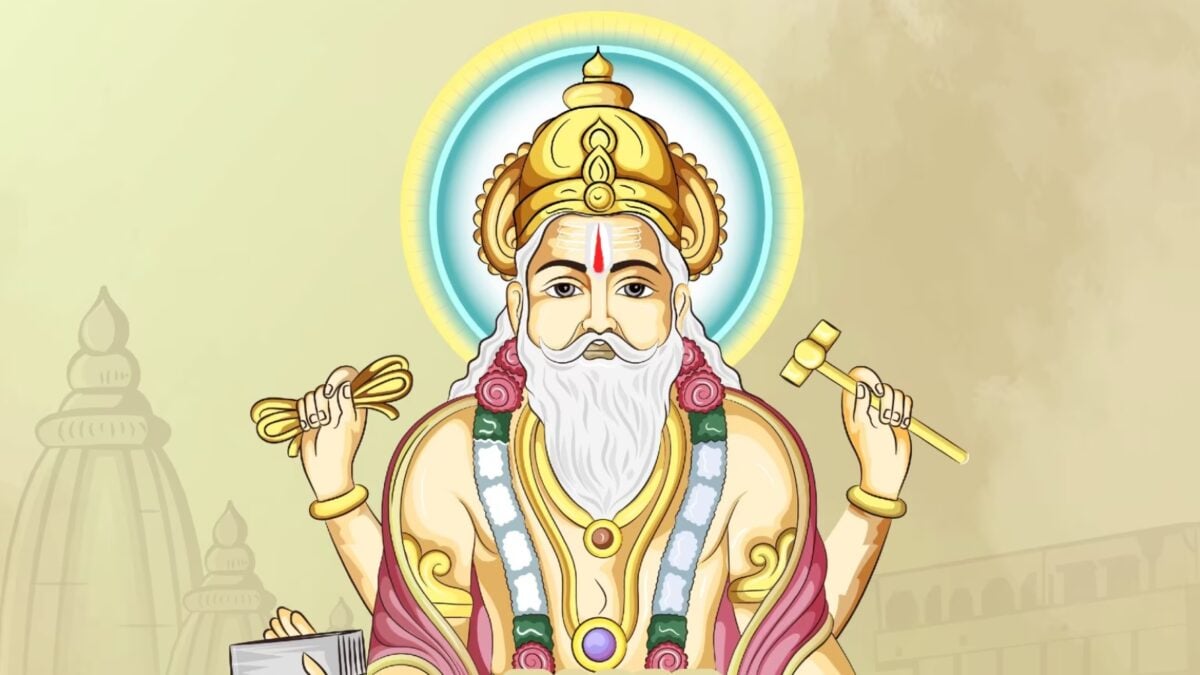
Vishwakarma Puja 2026: Traditional Rituals For Prosperity, Business, Home

PM Modi Honors Visvesvaraya, Hails Engineers as Karmayogis
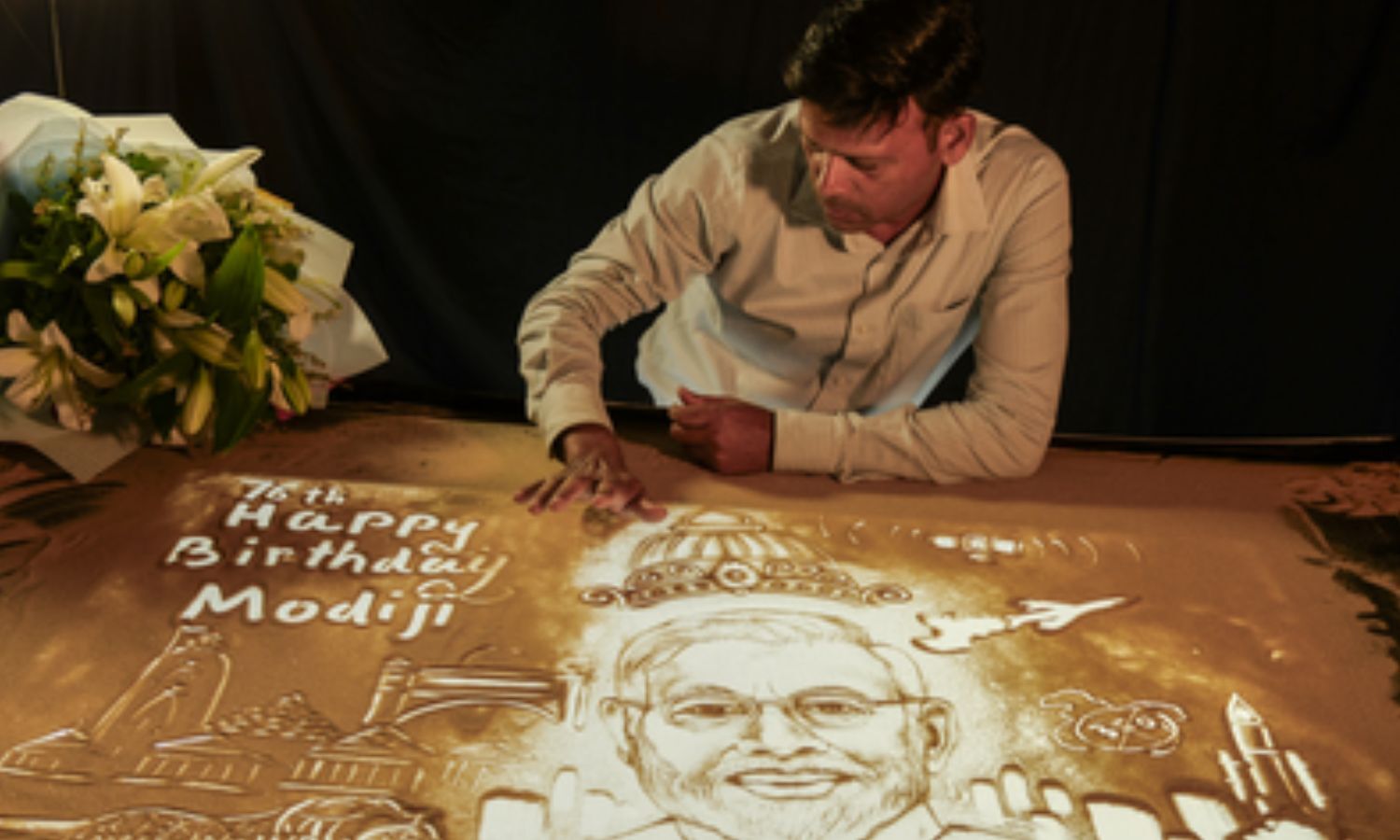
Sand Artists Mark PM Modi’s 76th Birthday With Puri Tribute

Hyderabad Artists Present Krishnanjali Kuchipudi Programme at ISKCON Dwarka
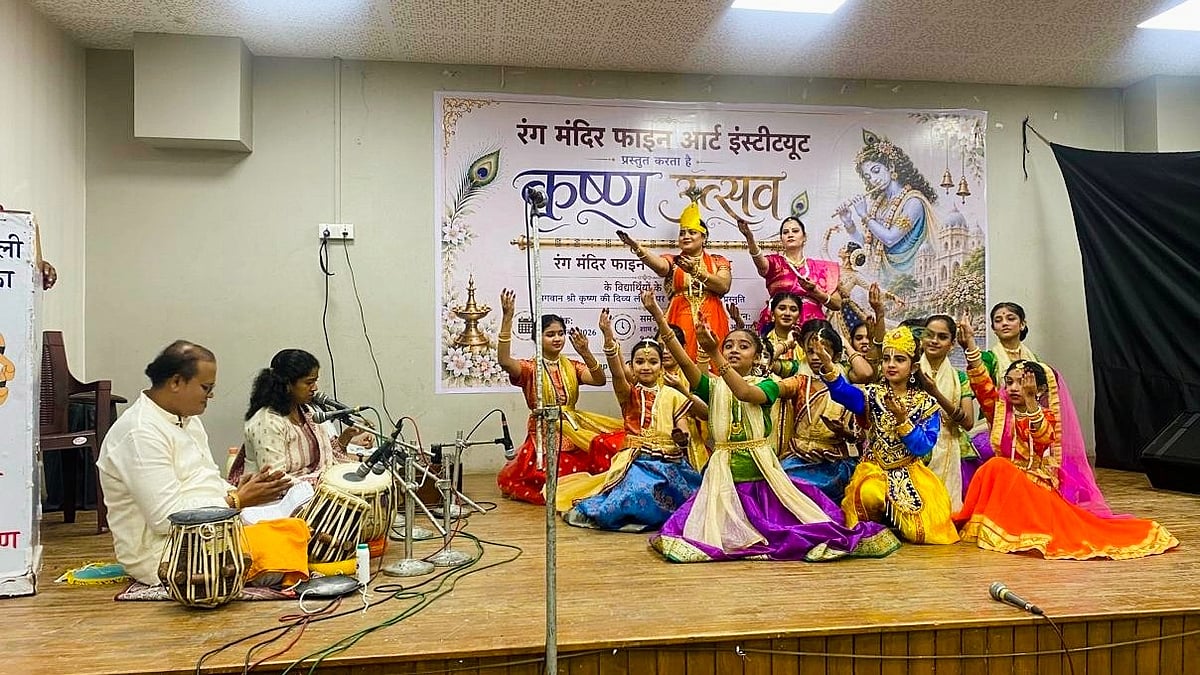
Kalyan Students Bring Krishna’s Stories Alive Through Kathak Recital

Maharashtra Dahi Handi Celebrations Put Safety Ahead of Records
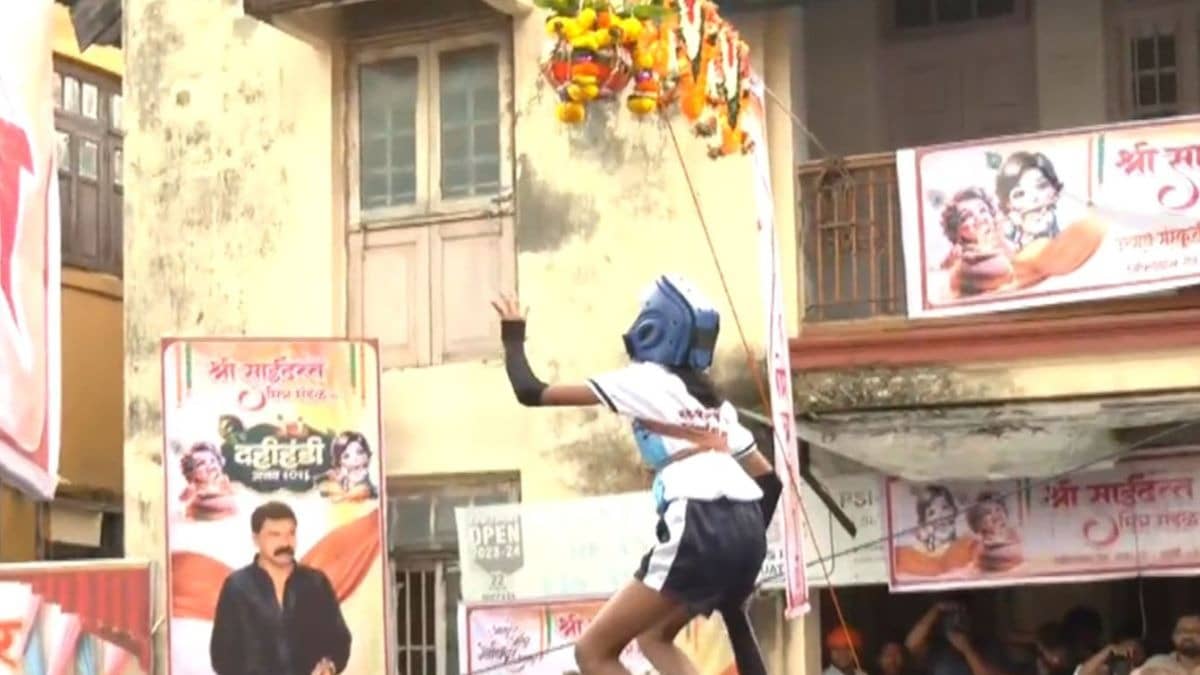
Mumbai’s All-Women Govinda Troupes Challenge Dahi Handi Tradition