

1 hr ago
India’s Food Wars Ignore Its Diverse Vegetarian and Non-Vegetarian Traditions
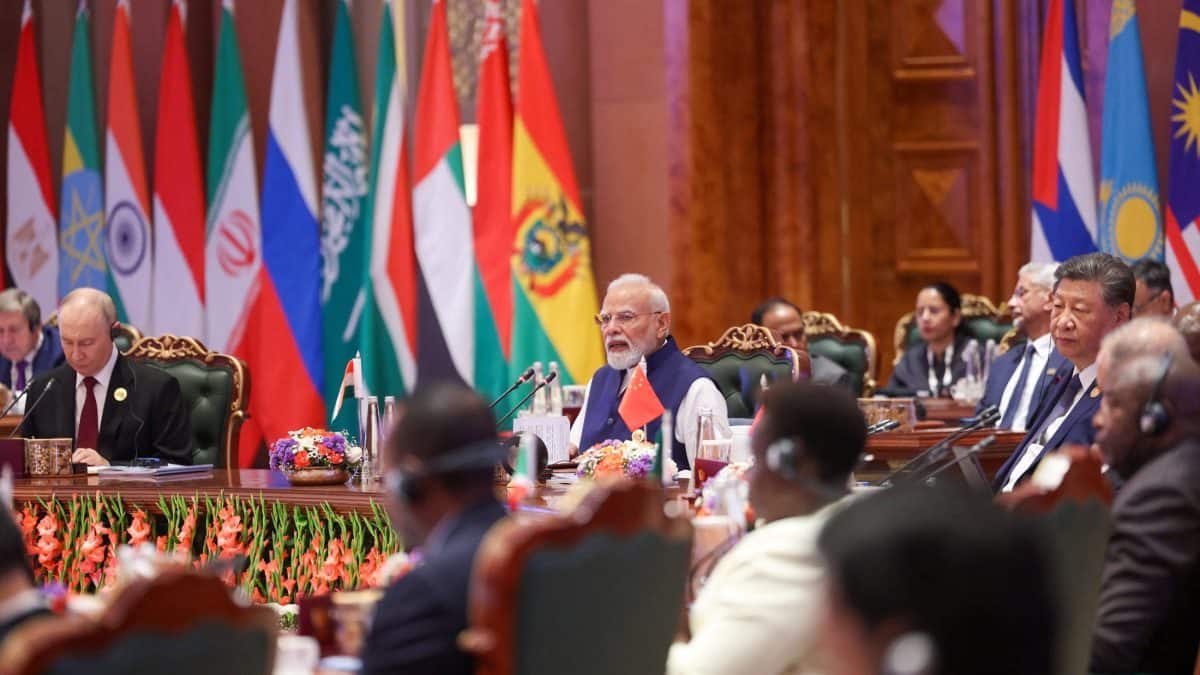
The article says India has many different food traditions.
Some people eat only vegetarian food, while others eat fish, meat or both.
Many people change what they eat depending on the day, festival, religion, family or region.
The writer says a special international dinner can highlight Indian vegetarian cooking without saying that everyone must eat vegetarian food.
The writer also says Bengal has its own traditions, including both vegetarian meals and foods connected with fish, meat and goddess worship.
Because of this, Bageshwar Baba’s request that Bengalis avoid fish and meat during Durga Puja was seen as too simple for Bengal’s culture.
At the same time, critics are also wrong if they say Bengal has no vegetarian traditions.
The main message is that India’s food culture is too varied for one rule to fit everyone.

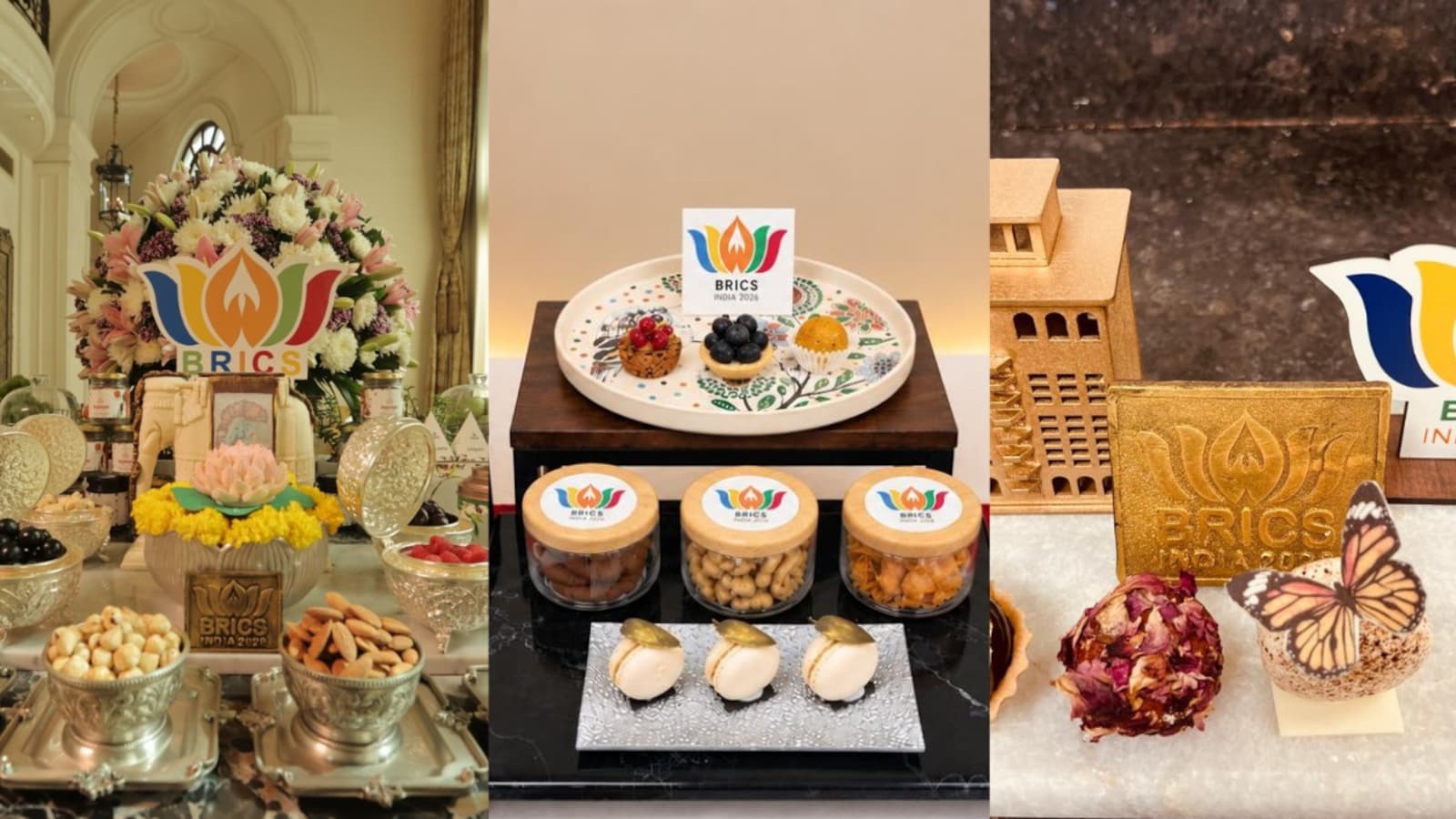
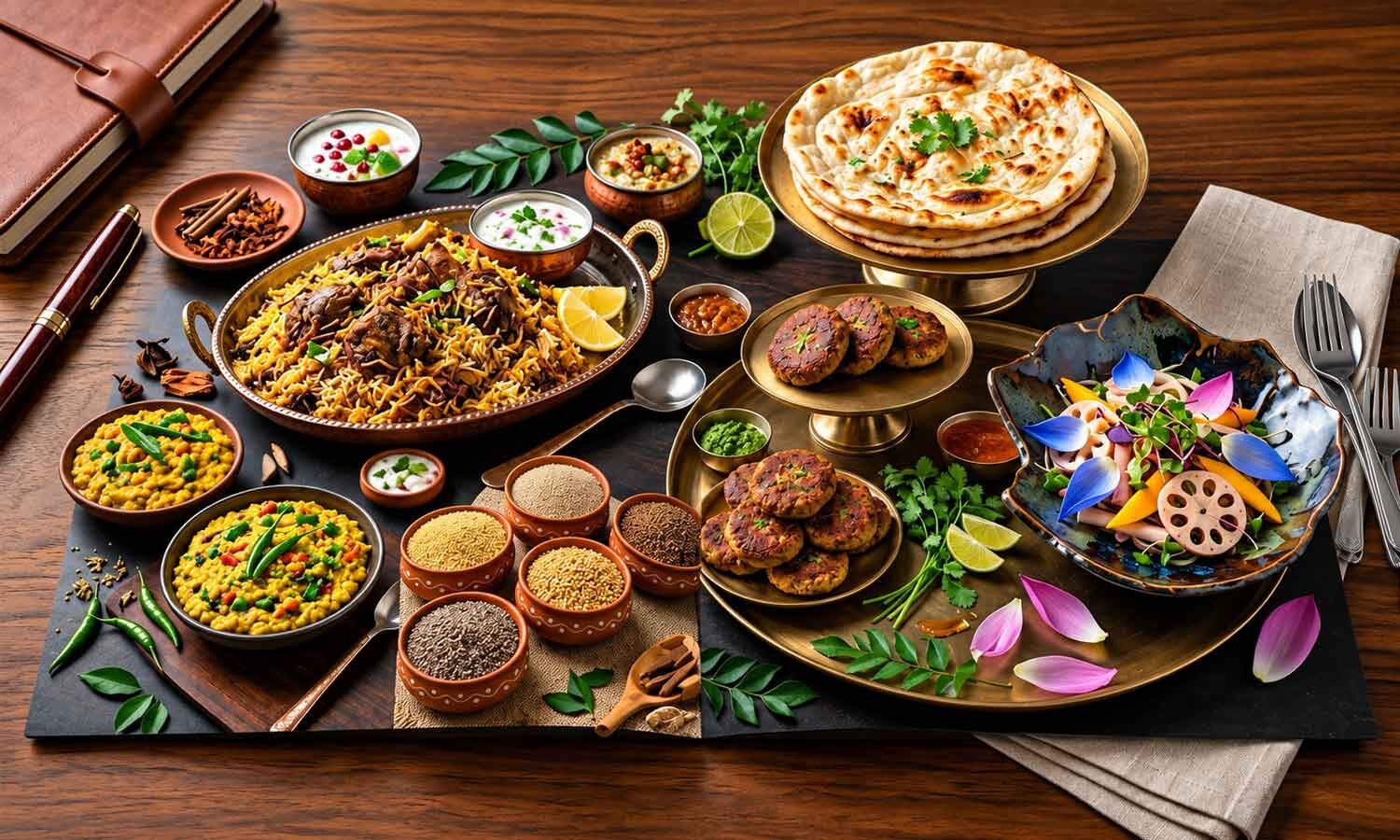
The article argues that an all-vegetarian menu at the BRICS 2026 summit could showcase India’s distinctive culinary heritage without denying its non-vegetarian traditions.
It says diplomatic banquets differ from restaurant buffets because hosts may use food to project national identity, while meat can raise halal, kosher and other dietary questions.
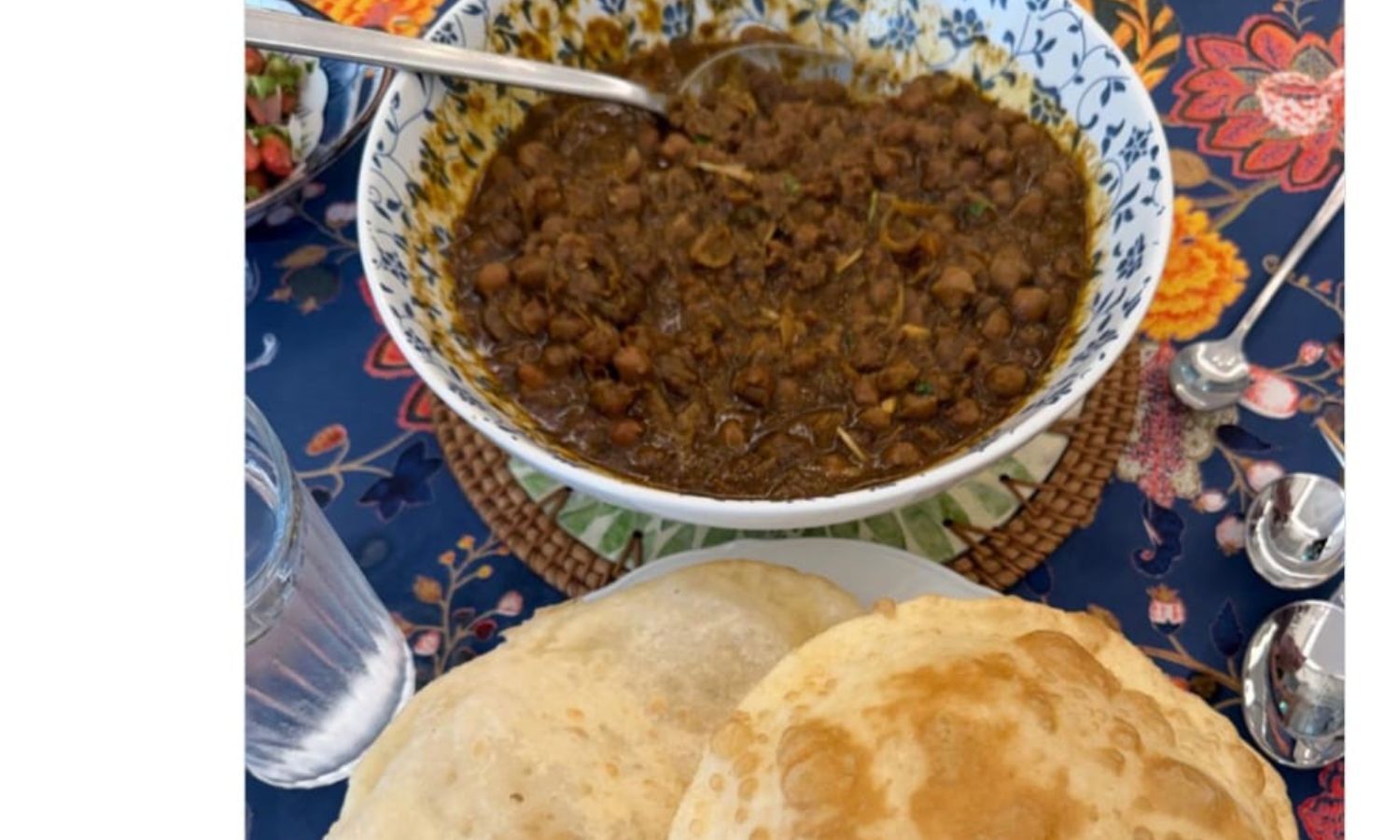
The author rejects simple claims about how Indians eat, noting that diets vary by religion, region, caste, community, season, family tradition, economics and personal preference.
Bageshwar Baba’s appeal for Bengalis to avoid fish and meat during Durga Puja is criticised as imposing a Vaishnava-influenced ethic on a region with strong Shakta traditions.
The article concludes that vegetarian and fish-and-meat traditions have both shaped India and should not be turned into a single national dietary commandment.
- Who
- The debate involves Indian food traditions, Bageshwar Baba, Bengalis, BRICS summit organisers and critics of vegetarian or non-vegetarian dietary positions.
- What
- A dispute over an all-vegetarian BRICS 2026 menu and competing attempts to define what Indians should eat.
- Where
- The summit took place in Delhi, and Bageshwar Baba’s dietary appeal was made in Bengal.
- When
- The BRICS summit was held in 2026, while Bageshwar Baba’s visit to Bengal and the related controversy were described as recent.
- Why
- The issue arose because food is being treated as an expression of national, religious and regional identity, despite India’s diverse eating practices.
Vegetarian Showcase and Dietary Pluralism
Menu Choice and Food Freedom
The BRICS banquet
Vegetarian Showcase and Dietary Pluralism
Serving only vegetarian food can showcase India’s extensive vegetarian culinary heritage and project a distinctive national identity at a diplomatic event.
Menu Choice and Food Freedom
Critics argue that guests should be offered both vegetarian and non-vegetarian options so they can choose what to eat.
Bengal during Durga Puja
Vegetarian Showcase and Dietary Pluralism
Bageshwar Baba’s appeal reflects a vegetarian, Vaishnava-influenced food ethic and a call to avoid fish and meat during the festival.
Menu Choice and Food Freedom
The article says the appeal misunderstands Bengal’s strong Shakta traditions, in which fish, meat and ritual sacrifice have historical or continuing significance in some settings.
National dietary identity
Vegetarian Showcase and Dietary Pluralism
Vegetarian advocates may regard meat-free food as an important cultural or religious ideal.
Menu Choice and Food Freedom
Non-vegetarian advocates who dismiss vegetarianism as an eccentric minority practice are also oversimplifying India, whose vegetarian traditions are ancient and diverse.
Key facts
- BRICS menu
- The 2026 summit menu in Delhi was described as entirely vegetarian.
- Bageshwar Baba’s appeal
- He asked people in Bengal to avoid cooking or eating fish and meat during Durga Puja.
- Bengal’s traditions
- The article says Bengal includes both strong vegetarian traditions and Shakta practices involving fish, meat or ritual sacrifice in some settings.
- Dietary diversity
- Indian eating habits vary by religion, region, caste, community, season, family tradition, economics and personal preference.
- Diplomatic comparison
- The author compares India’s menu choice with France highlighting French food at a G7 summit and Japan highlighting Japanese food at the 2023 G7 summit.
- Central argument
- Neither vegetarianism nor meat-eating should become a single national dietary commandment.
Quotes
Bharat-born, naturalised British writer and journalist
A writer and journalist whose comment on the Brics menu is quoted from X.
“Why not offer OPTIONS: herbivore food for the herbivores ... & meat for the ones who eat their food the way most people in the world do.”
 firstpost.com
Mahendranath Datta
Swami Vivekananda’s brother, quoted in an account of differing food practices within their family.
“I would not eat it.”
firstpost.com
Sources
Related news
Opposition Criticises Vegetarian Menu at Modi’s BRICS Dinner
BRICS Vegetarian Gala Menu Sparks Congress-BJP Food Row
Opposition Criticises Vegetarian Menu at Modi’s BRICS Gala
Owaisi Weighs In On BRICS Vegetarian Menu Controversy

Rahul Gandhi’s Non-Vegetarian Remark Sparks BRICS Menu Row
BRICS Vegetarian Dinner Sparks Debate Over India’s Food Diversity
ICMR Chief Warns Dengue Mosquitoes Breed Around Homes

Bengal Releases ₹313 Crore for 465 GTA Projects

Sanjeev Goenka Predicts India Growth, AI Jobs and Bengal Revival

Anindita Bose Explores Survival in Psychological Thriller Ghun Gaon
