14 hrs ago
Justice Datta Challenges Executive Control Over Judicial Appointments
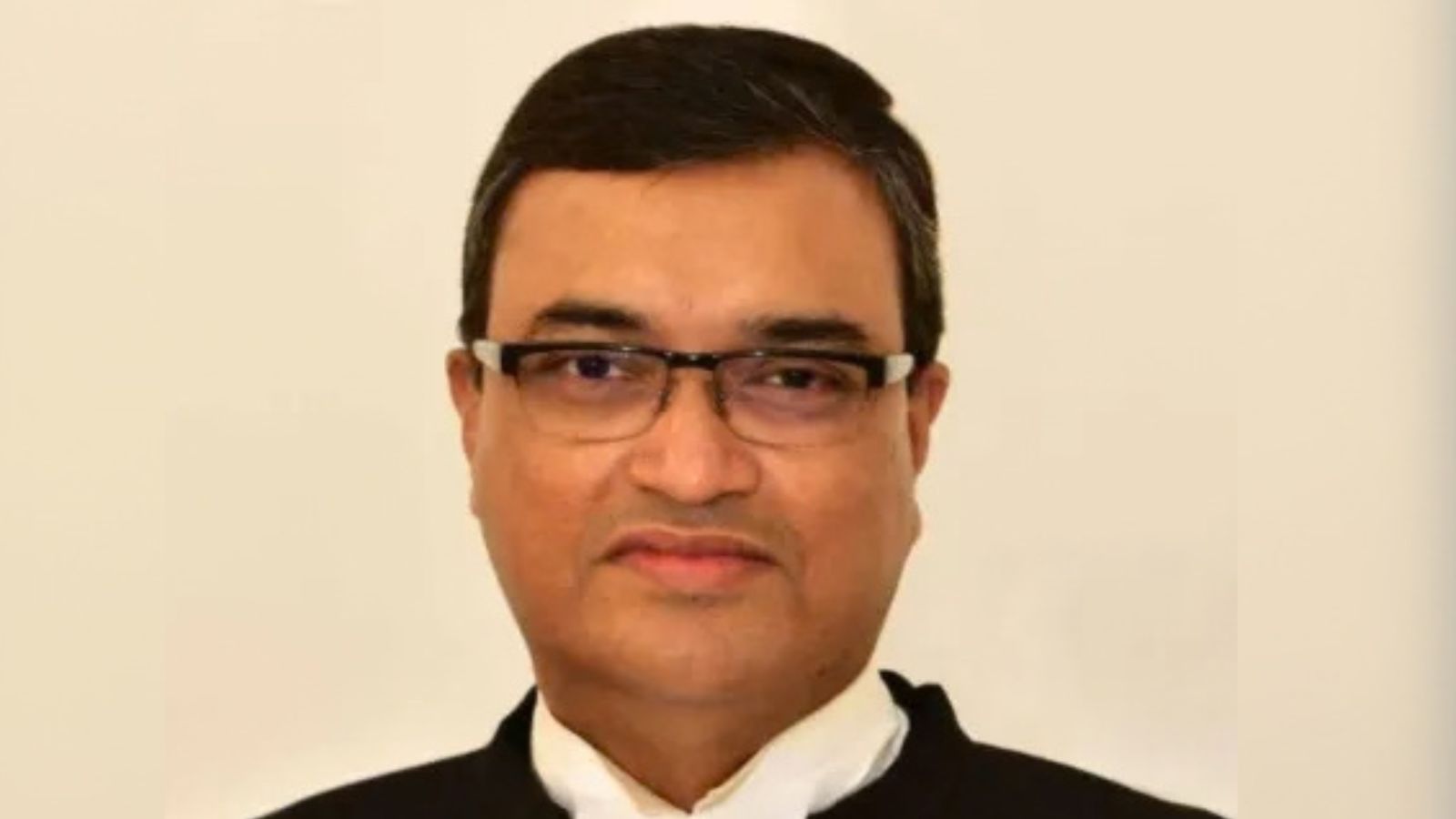
Justice Dipankar Datta said the government still has a powerful role in choosing and moving judges.
He said the collegium, led by the Chief Justice of India, is supposed to recommend judges.
However, the executive can accept some recommendations and hold back others.
Sometimes, recommendations are delayed for years without public reasons.
Justice Datta said this weakens the collegium’s authority.
He also warned that the problem could become a constitutional crisis if it continues.
The issue arose during a case about how election officials are chosen.
Justice Satish Chandra Sharma viewed the government lawyer’s argument differently and disagreed with Justice Datta.

Justice Dipankar Datta said the executive retains decisive control over judicial appointments and transfers despite the collegium’s recommendations.
He said recommendations are sometimes selectively approved, withheld without public reasons, or left pending for years, including after reiteration.
Justice Datta warned that selective implementation undermines the collegium’s authority and could eventually create a constitutional crisis.
The remarks came after Solicitor-General Tushar Mehta questioned the Supreme Court’s intervention over the 2023 law governing election appointments.
Justice Satish Chandra Sharma disagreed, saying Mehta was defending executive independence and separation of powers rather than criticizing the collegium system.
- Who
- Justice Dipankar Datta, Justice Satish Chandra Sharma, Solicitor-General Tushar Mehta, the executive, and the collegium.
- What
- A disagreement arose over executive control of judicial appointments and the Supreme Court’s review of a 2023 election-appointments law.
- Where
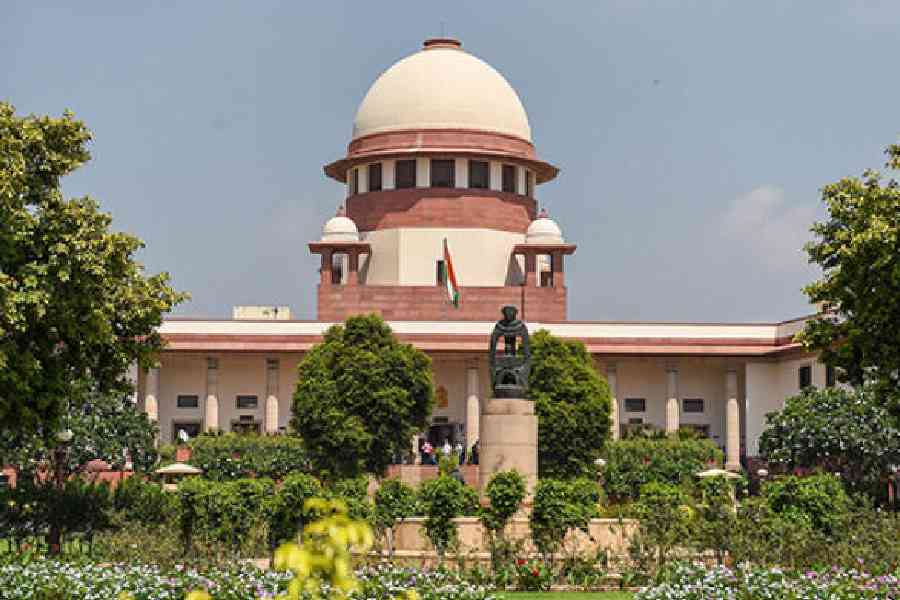
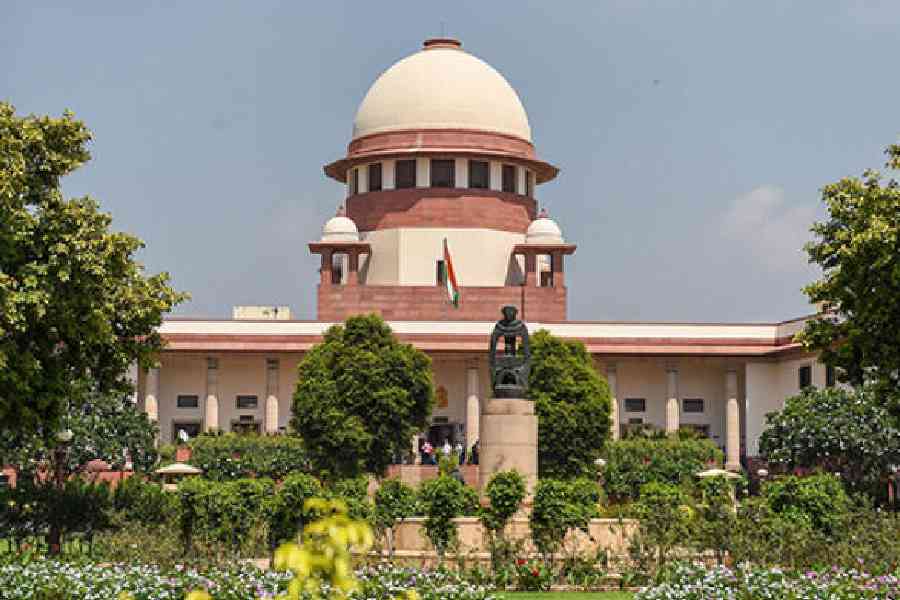
- The Supreme Court.
- When
- The observations were made on Wednesday; the articles do not provide an exact date.
- Why
- Justice Datta raised concerns about delayed and selective implementation of collegium recommendations, while Tushar Mehta argued for executive independence and separation of powers in the related election-appointments case.
Justice Datta’s View
Justice Sharma and Government’s View
Executive role in judicial appointments
Justice Datta’s View
Justice Datta said the executive has decisive control, can override collegium recommendations, and sometimes withholds or delays names without publicly disclosed reasons.
Justice Sharma and Government’s View
Justice Sharma said Tushar Mehta was not criticizing the collegium’s role; he was arguing that executive independence should also be respected under separation of powers.
Selective implementation of recommendations
Justice Datta’s View
Justice Datta said approving most recommendations while holding back one or more undermines the sanctity of collegium resolutions and creates a serious institutional problem.
Justice Sharma and Government’s View
Justice Sharma’s reasoning treated the executive’s independent role as a constitutional principle, rather than accepting that Mehta’s submission attacked the collegium system.
Supreme Court review of election law
Justice Datta’s View
Justice Datta defended the need to examine the constitutionality of the 2023 law that excluded the Chief Justice of India from the election-selection committee.
Justice Sharma and Government’s View
Tushar Mehta questioned the Supreme Court’s interference, arguing that executive predominance in the election-selection committee should not itself make the rules void.
Key facts
- Justice raising concerns
- Justice Dipankar Datta
- Central issue
- Executive control over judicial appointments and transfers
- Judicial recommendation body
- The collegium led by the Chief Justice of India
- Reported executive practice
- Selective approval, withholding, or prolonged delay of recommendations
- Related legislation
- A 2023 enactment excluding the Chief Justice of India from selecting the chief election commissioner and election commissioners
- Dissenting view
- Justice Satish Chandra Sharma said the government’s submission was not a criticism of the collegium system
- Potential consequence identified
- Justice Datta warned that continued selective implementation could produce a constitutional crisis
Quotes
Justice Dipankar Datta
Supreme Court judge who criticized executive control over judicial appointments
“It is the executive that wields decisive control and holds the reins over appointments of judges at every stratum.”
 telegraphindia.com
“The final say rests with the executive.”
telegraphindia.com
Sources
Related news
Justice Datta Defends Collegium, Criticises Centre’s Selective Approvals
Justice Datta's Cricket Analogy Challenges Election Commissioner Appointment Law
Justice Flags Executive Veto in Election Commission Appointments

Twenty-five High Court Judge Recommendations Remain Pending With Government

'Judges Appoint Judges?' SC Judge Challenges Centre's Collegium Argument
Punjab HC Chief Justice Appointment Sparks Centre-State Dispute

Supreme Court Questions Bengaluru Infrastructure Amid Premium FAR Case
Supreme Court Seeks Former High Court Chief Justice Panel
India’s Election Commission Faces Dissent, Courts Hear Political Cases