1 week ago
RBI's Reset of Loan and Deposit Interest Rate Norms
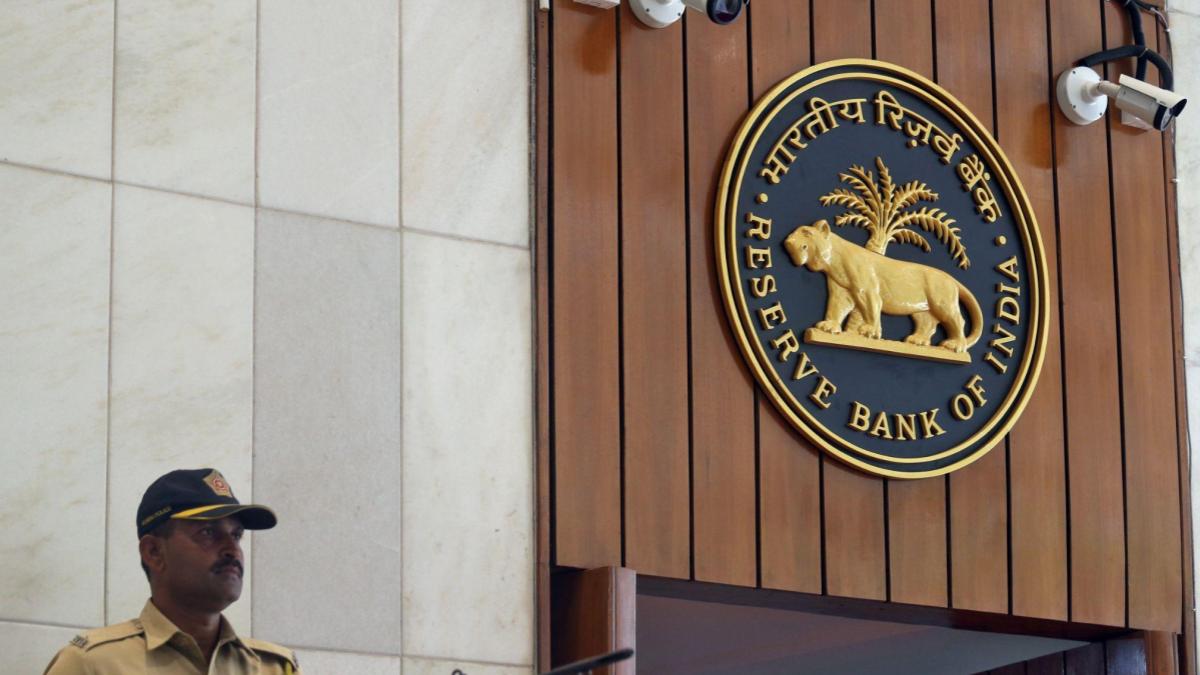
The Reserve Bank of India wants banks and other lenders to use clearer and more consistent rules when setting loan interest rates.
This should make it easier for people to compare loans from different lenders.
Floating loan rates would be checked at least once every three months.
That means borrowers may see rate cuts or increases more quickly.
Lenders would have to explain the extra margin, or spread, added to a benchmark rate.
They generally could not raise this spread for three years, except when a borrower's credit risk changes.
The RBI also wants banks to show deposit rates more consistently.
These changes are meant to make borrowing and saving more transparent, although lenders can still offer different rates.

The Reserve Bank of India has proposed one framework for how regulated lenders set and disclose loan interest rates.
Floating-rate loans would be reset at least every three months, helping rate changes reach borrowers faster.
Lenders would have to disclose benchmark rates, spread components and reset terms more clearly.
Existing benchmark-linked loans would migrate to the new framework by April 2029 without increasing borrowers' interest rates.
From October 1, fixed-deposit rates must be standardised across branches, while bulk-deposit rates must be published daily online.
- Who
- The Reserve Bank of India, banks, non-banking financial companies, housing finance companies, borrowers and depositors.
- What
- The RBI has proposed new common rules for loan pricing and revised rules for bank deposit-rate disclosures.
- Where
- Across lenders and bank branches in India.
- When
- The loan framework is proposed to begin on April 1; existing loans would migrate by April 2029, and the deposit framework takes effect on October 1.
- Why
- To make interest-rate calculations, spreads and disclosures more consistent and transparent, helping borrowers compare loans and depositors understand rates.
Key facts
- Loan pricing
- Fixed and floating-rate loans would be linked to an internal or external benchmark plus a spread.
- Rate reset
- Floating-rate loans must be reset at least once every three months.
- Interest calculation
- Interest would generally be charged on monthly rests and calculated using a daily reducing balance.
- Spread changes
- Credit risk premiums may change when a borrower's credit profile changes; other spread components generally cannot rise for three years.
- Loan migration
- Existing benchmark-linked loans would move to the new framework by April 2029 without an increase in borrower interest rates.
- Deposit rates
- Fixed-deposit rates must be standardised across all branches and customers from October 1.
- Bulk deposits
- Rates for single rupee term deposits of Rs 3 crore or more must be published on bank websites by 10 a.m. each business day, with a grace period until 10:10 a.m.
Quotes
Adhil Shetty
Chief executive officer of BankBazaar.com
“It does, however, require greater consistency in how lenders determine and disclose loan rates and spreads”
 financialexpress.com
Sources
Related news
RBI Proposes New Loan Interest-Rate Framework, Tighter Floating-Rate Rules
RBI proposes three-month loan rate resets for faster EMI relief

RBI proposes tighter loan pricing rules for banks and lenders

RBI Proposes Loan Pricing Rules to Improve Borrower Transparency

RBI to standardize lending rate rules for transparency, consumer protection
RBI proposes uniform loan interest rate framework across banks, NBFCs

Festive Season 2026 May Boost Consumer-Focused Investment Sectors

Mijo Chacko Kurian Wins 400m Gold in Meerut

Government Defends 7.8% GDP Growth as Congress Raises Doubts

India Draws Record $127 Billion Through FCNR Deposit Scheme

Goyal to Visit United States for Trade Agreement Talks