1 week ago
Before Buying a House, Ask These Five Financial Questions
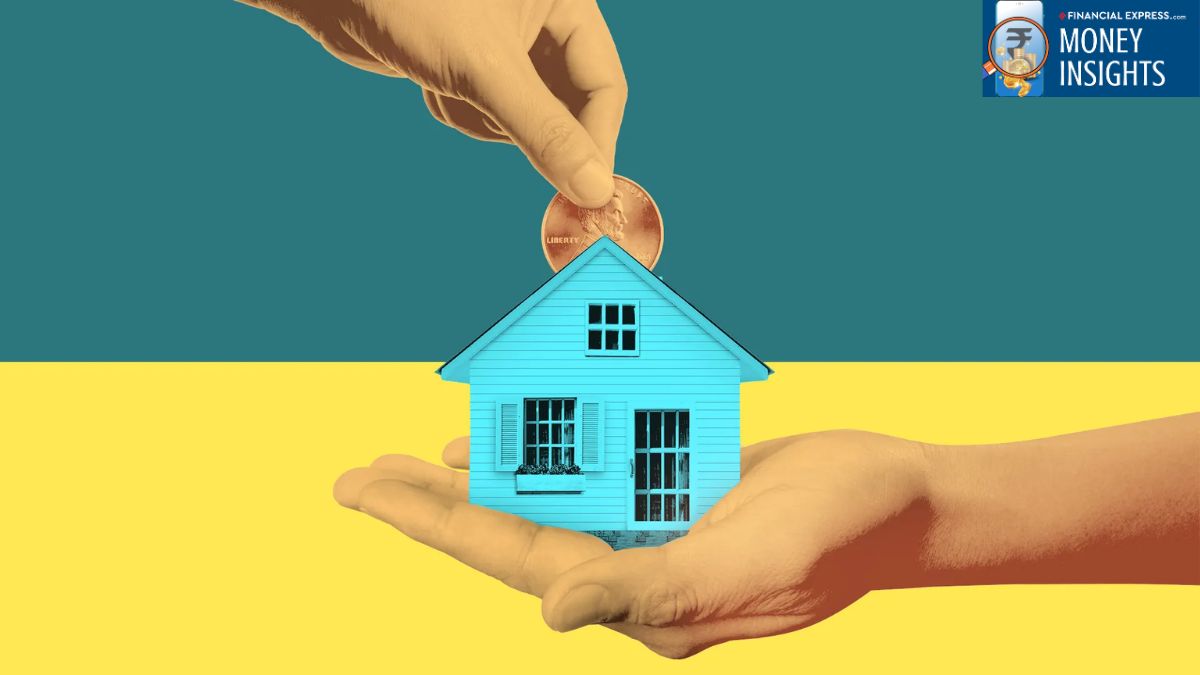
Buying a house costs more than just paying the monthly loan EMI.
You may also need money for the down payment, taxes, registration, repairs and maintenance.
If you move after only a few years, buying may be less useful because these starting costs take time to recover.
A loan that feels comfortable today could become difficult if your income or expenses change.
Spending too much on a home can leave less money for emergencies, retirement or education.
Banks may approve a large loan, but that does not mean borrowing that much is wise.
Some people may choose to rent because they want flexibility or are not ready to buy.
The best home is one that fits into your entire financial plan.

Homebuyers should consider how long they expect to stay before comparing rent with EMI.
The full cost of ownership includes the down payment, taxes, registration, maintenance, insurance, repairs and opportunity costs.
Buyers should test whether the EMI would remain manageable if income, interest rates or family expenses change.
A large home purchase can reduce money available for emergencies, retirement, education and other investments.
RBI’s affordability framework uses housing costs equal to about 30% of household income as a broad benchmark.
- Who
- Prospective homebuyers, with guidance cited from Adhil Shetty of BankBazaar and research by the Reserve Bank of India.
- What
- The article presents five questions to assess whether buying a home is financially appropriate.
- Where
- India, with affordability differences noted across Indian cities.
- When
- Before purchasing a home or taking a long-term housing loan.
- Why
- To ensure that homeownership does not undermine savings, emergency funds, retirement planning or other financial goals.
Key facts
- Affordability benchmark
- The RBI’s housing-affordability research uses housing costs equal to 30% of household income as a broad benchmark.
- Costs beyond EMI
- Ownership costs can include the down payment, stamp duty, registration, maintenance, property taxes, insurance and repairs.
- Loan duration
- Home loans can run for 20 or 25 years, while income and personal circumstances may change.
- Short-term stays
- Buying may be less suitable for people who expect to move within two or three years.
- Financial trade-offs
- Home purchases may compete with retirement savings, children’s education and other investments.
- Key risk
- A buyer can become “house rich, cash poor” by owning property while lacking liquid funds for emergencies and other goals.
- Expert cited
- Adhil Shetty, CEO of BankBazaar, recommends evaluating the total cost of ownership and broader financial plans.
Quotes
Adhil Shetty
CEO of BankBazaar
“If you expect to move in a few years, renting may offer greater flexibility. The decision should ultimately reflect your life stage, financial cushion and long-term plans.”
 financialexpress.com
“Rising property prices should not by themselves drive the decision.”
financialexpress.com
Sources
Related news
Choosing the Right Home Loan Tenure
Home Loans in 2026: Tax Benefits, Rates and Wealth Trade-Offs

Niranjan Hiranandani Backs Home Buying in India’s Housing Debate

₹30 LPA Techie Weighs Bengaluru Life Against Returning Home

Gold Prices Fall Across Indian Cities on August 28
FCNR(B) Rates Reach 6.75% as RBI Forex Window Closes

Home Loan Rates Across Indian Banks and Housing Finance Companies
RBI’s New Bulk FD Rules Bring Changes From October 2026