4 hrs ago
Skin Longevity Shifts Focus Beyond Traditional Anti-Ageing Treatments
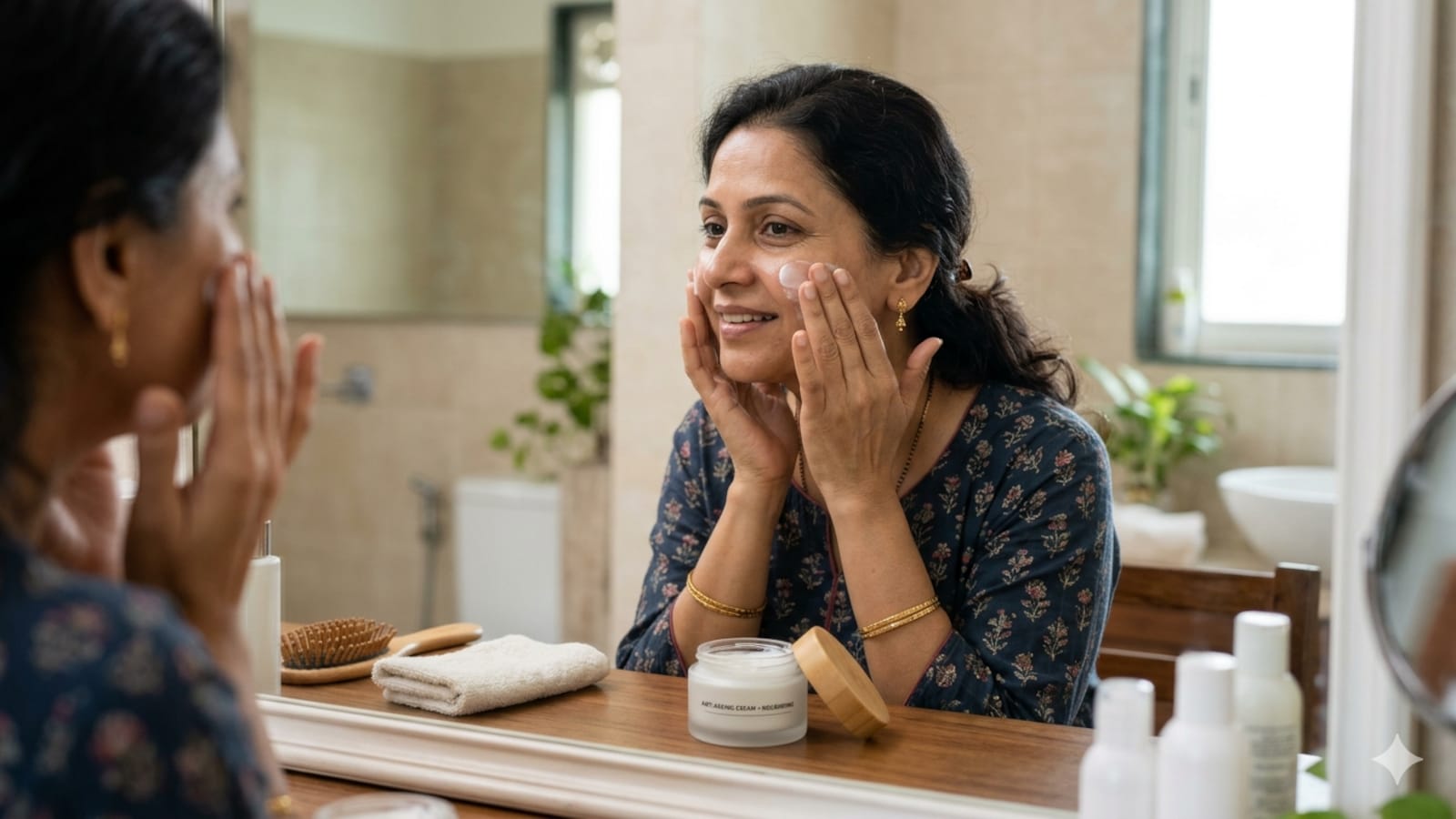
Skin longevity means helping your skin stay healthy for a long time.
It is different from trying to remove every wrinkle or stop ageing.
Skin changes naturally as people get older.
Sun exposure, stress, poor sleep and other lifestyle factors can also affect it.
Protecting the skin from the sun and using suitable skincare can help.
Eating well, exercising, sleeping enough and managing stress may support skin health too.
Some dermatology treatments can improve texture or hydration for carefully selected people.
The main idea is to age with healthy, resilient skin rather than trying to look much younger.
Wellness treatments may be useful in some cases, but they do not replace proven medical care.

Skin longevity emphasizes maintaining skin health, function, resilience and quality over erasing every sign of ageing.
The approach focuses on sun protection, skincare, balanced nutrition, sleep, physical activity and stress management.
Ageing can affect collagen production, cell turnover, hydration, thickness, elasticity and the skin’s ability to recover.
Treatments such as microneedling, skin PRP, GFC and selected medifacials may complement skincare for suitable patients.
Wellness therapies may support recovery or relaxation, but evidence varies and they should not replace evidence-based dermatological care.
- Who
- Dr Bindiya Mukhi Kataria, founder and dermatologist at Dermalicious, presents the skin-longevity perspective.
- What
- The article argues for a preventive, personalized approach to maintaining healthy and resilient skin instead of focusing only on anti-ageing treatments.
- Where
- When
- Why
- To encourage people to consider skin health as part of broader wellbeing and to support healthy ageing rather than trying to stop ageing.
Key facts
- Central concept
- Skin longevity means preserving skin health, function, resilience and quality for as long as possible.
- Core prevention
- Consistent sun protection, appropriate skincare, balanced nutrition, adequate sleep, physical activity and stress management.
- Personalization
- Skin needs can change with age, hormones, lifestyle and environmental exposure.
- Possible dermatology treatments
- Microneedling, skin PRP, GFC and selected medifacials may address texture, hydration and overall skin quality for suitable patients.
- Wellness therapies mentioned
- IV therapy, red light therapy, hydrogen therapy and far-infrared sauna are discussed in relation to recovery, relaxation and skin health.
- Evidence caveat
- The article says evidence varies among wellness therapies, which should complement rather than replace evidence-based dermatological care.
- Author
- Dr Bindiya Mukhi Kataria, founder and dermatologist, Dermalicious.
Sources
Related news
Skin Regeneration Shifts Aesthetic Medicine Toward Long-Term Health
How Stress and Lifestyle Changes Can Show Up on Skin
Doctor Urges Women to Approach Biohacking With Wisdom

The Age Code Argues Food May Shape How We Age

How Modern Lifestyles Are Changing Women’s Skin Health

Why Healthspan Matters More Than Simply Living Longer

Low AMH With Regular Periods May Still Support Fertility

Alfred Cooke Recounts His Last Battle Against Pakistani Sabres

Assam Marks Zubeen Garg’s First Death Anniversary With Tributes