2 hrs ago
How Stress and Lifestyle Changes Can Show Up on Skin
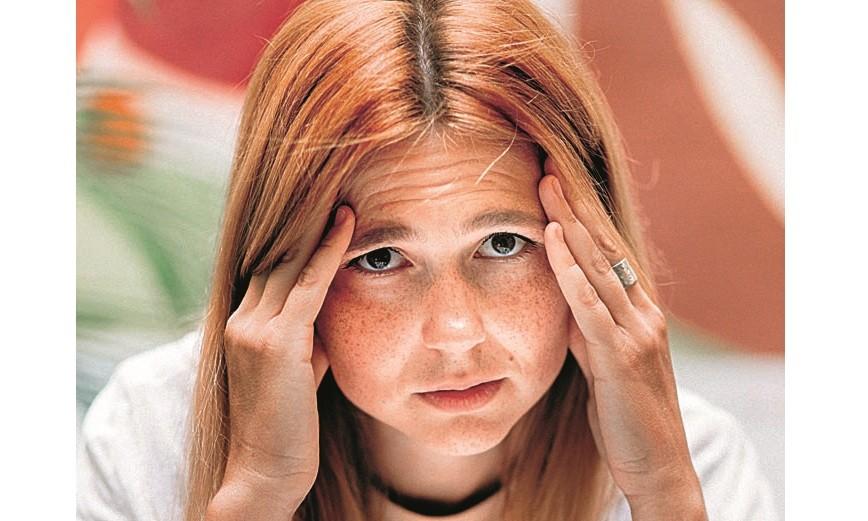
Stress and unhealthy routines can sometimes make your skin look or feel different.
You might notice dullness, dryness, puffiness, dark circles or more breakouts.
A few difficult nights can cause temporary tired-looking skin.
If the changes continue for a long time, they may be connected to sleep, stress, nutrition or other lifestyle habits.
Many things besides stress can affect skin, including age, sunlight, smoking, pollution and skin diseases.
No single skin symptom can prove what is causing the problem.
Getting enough sleep, drinking enough water, eating well and managing stress may help.
Skincare or aesthetic treatments can support the skin, but they do not replace healthy daily habits or medical advice.

Stress can affect sleep, hormones, inflammation and oil production, potentially changing the skin’s appearance and behavior.
Possible signs include dullness, dehydration, puffiness, dark circles, sensitivity, breakouts, dryness and uneven pigmentation.
Temporary changes may improve with better sleep, hydration, nutrition and a consistent skincare routine.
Persistent, recurring or sudden unexplained changes should receive closer attention and may require dermatological evaluation.
Experts recommend addressing sleep, nutrition, hydration, movement and stress before considering skincare or aesthetic treatments.
- Who
- People experiencing changes in their skin, along with dermatologists and wellness professionals quoted in the article.
- What
- The article explains how stress and combined lifestyle habits may affect facial skin and how to respond to persistent changes.
- Where
- The article discusses facial skin and cites experts from Nat Habit, Ishva Wellness and NIIMS, Greater Noida.
- When
- Changes may appear after difficult nights or periods of stress; persistent, recurring or sudden changes warrant closer attention.
- Why
- Stress and lifestyle factors can influence sleep, hormones, inflammation, oil production, hydration and daily habits that affect the skin.
Key facts
- Common signs
- Dullness, dehydration, puffiness, dark circles, sensitivity, breakouts, dryness, uneven pigmentation and fine lines.
- Temporary changes
- Skin changes that improve after better sleep, hydration, improved nutrition and consistent skincare may be temporary fluctuations.
- Persistent changes
- Changes that persist, recur frequently or appear suddenly without explanation should receive closer attention.
- Other influences
- Age, UV exposure, smoking, pollution, environmental conditions, nutrition and lack of water can also affect skin.
- Screen use
- Experts associate extensive screen time mainly with related habits such as prolonged sitting, immobility and lack of sleep.
- Recommended fundamentals
- Sleep, nutrition, hydration, movement, stress management and time away from screens should be addressed before additional treatments.
Quotes
Dr. Mehak Gupta
Assistant professor of dermatology at NIIMS, Greater Noida
“Prolonged stress can also influence inflammation and sebum production. We tend to hold physical tension in areas such as the forehead, temples and around the eyes, which can add to the appearance of fatigue.”
 deccanchronicle.com
“Dermatologists can determine whether a person’s facial condition might instead be attributable to other factors such as skin diseases and nutrition-related changes.”
deccanchronicle.com
Sources
Related news

How Modern Lifestyles Are Changing Women’s Skin Health

How Stress Appears Across Nearly Every Body System

Traya Says Internal Factors Drive Most Indian Hair Loss

Why Chronic Stress May Keep the Body in Survival Mode
Body Signals That Show When You Need More Rest

Samantha Shares Traditional Seemantham Baby Shower Ceremony Photos

80 Kailash Manasarovar Group Members Remain Unaccounted After Nepal Floods

Samantha Ruth Prabhu Flaunts Baby Bump, Fans Celebrate Pregnancy Glow

Samantha Ruth Prabhu Revisits Isha Foundation Ahead of Motherhood