

4 days ago
Skin Regeneration Shifts Aesthetic Medicine Toward Long-Term Health
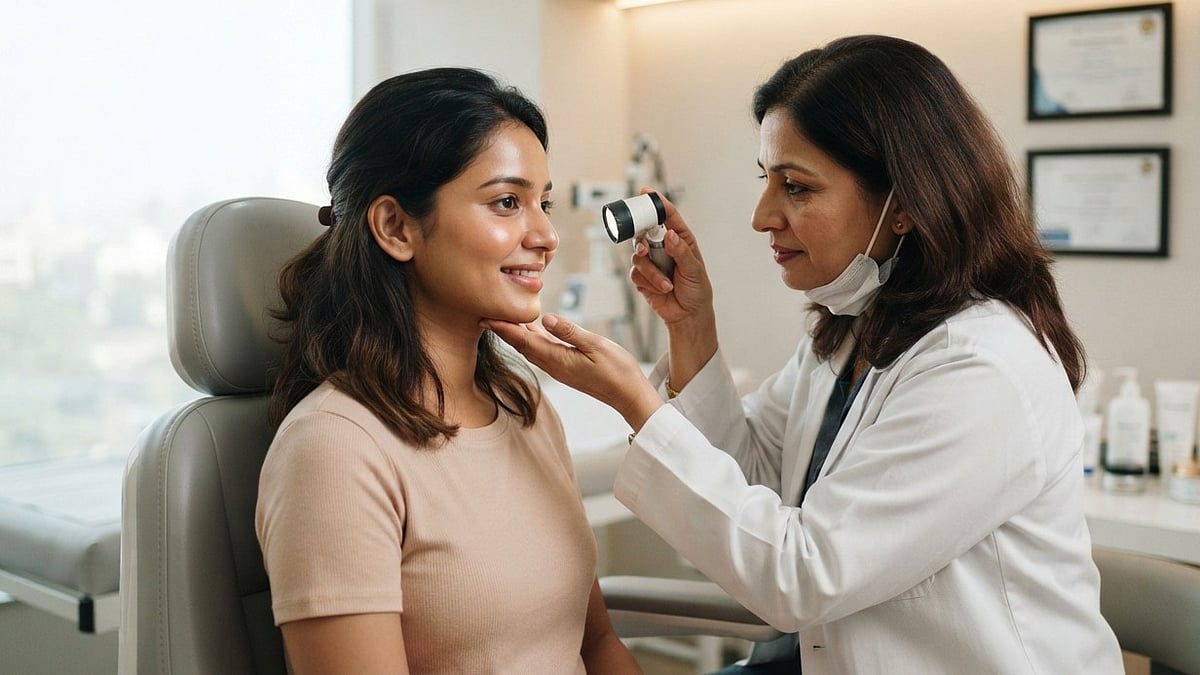
Aesthetic medicine used to focus mostly on fixing things people could see on the skin’s surface.
Now, many treatments aim to help the skin repair itself from within.
These treatments may encourage the body to produce more collagen, which can help skin stay firm.
Doctors are also creating more personalised plans because everyone’s skin ages differently.
Some people may need help with texture, while others may need help with tone or volume.
Patients are learning more about how skin changes over time.
They are therefore asking about long-term skin health instead of only one wrinkle or scar.
The goal is not just to make skin look better quickly.
It is to help skin stay healthier and stronger in the future.

Aesthetic medicine is moving from surface corrections toward treatments that support the skin’s natural repair processes.
Regenerative procedures use biostimulation to encourage collagen production and help maintain firmness.
Practitioners are increasingly combining treatments to address texture, volume, tone, and resilience individually.
More informed patients are asking about dermis health, ageing patterns, and long-term skin maintenance.
The field is shifting from quick cosmetic fixes toward prevention and healthier, more resilient skin over time.
- Who
- Dermatologists, aesthetic-medicine practitioners, and increasingly informed patients; the article is attributed to Dr. Veenu Jindal.
- What
- A shift in aesthetic medicine from surface-level corrections toward regenerative treatments that support the skin’s natural repair and maintenance processes.
- Where
- Aesthetic medicine, involving areas such as the face, neck, hands, and body.
- When
- The article describes a current and continuing trend in aesthetic medicine; no specific date is provided.
- Why
- Regenerative approaches aim to improve long-term skin health, collagen production, firmness, resilience, and natural rejuvenation rather than provide only temporary surface corrections.
Key facts
- Field
- Aesthetic medicine, a branch of dermatology focused on skin health and appearance.
- Main shift
- From correcting visible imperfections to supporting the skin’s ability to self-repair.
- Treatment approach
- Regenerative procedures use biostimulation to encourage collagen production and support firmness.
- Personalisation
- Practitioners may combine treatments according to a patient’s texture, volume, tone, and resilience needs.
- Patient focus
- Consultations increasingly address dermis health, ageing patterns, and long-term maintenance.
- Long-term goal
- Prevention and deep, lasting skin health rather than quick, temporary fixes.
Sources
Related news

Brilliance Cosmocare Raises $200,000 Seed Round for Longevity Skin Platform

Doctor Urges Women to Approach Biohacking With Wisdom
Post-Procedure Skincare Guide Emphasizes Gentle Healing and Sun Protection

Gen Z and Gen Alpha to Drive India’s Beauty Spending

When Should You Start Taking Collagen? A Complete Guide
