

1 week ago
Five New Books Explore Chips, Welfare, Peasants, Turnarounds, Crime
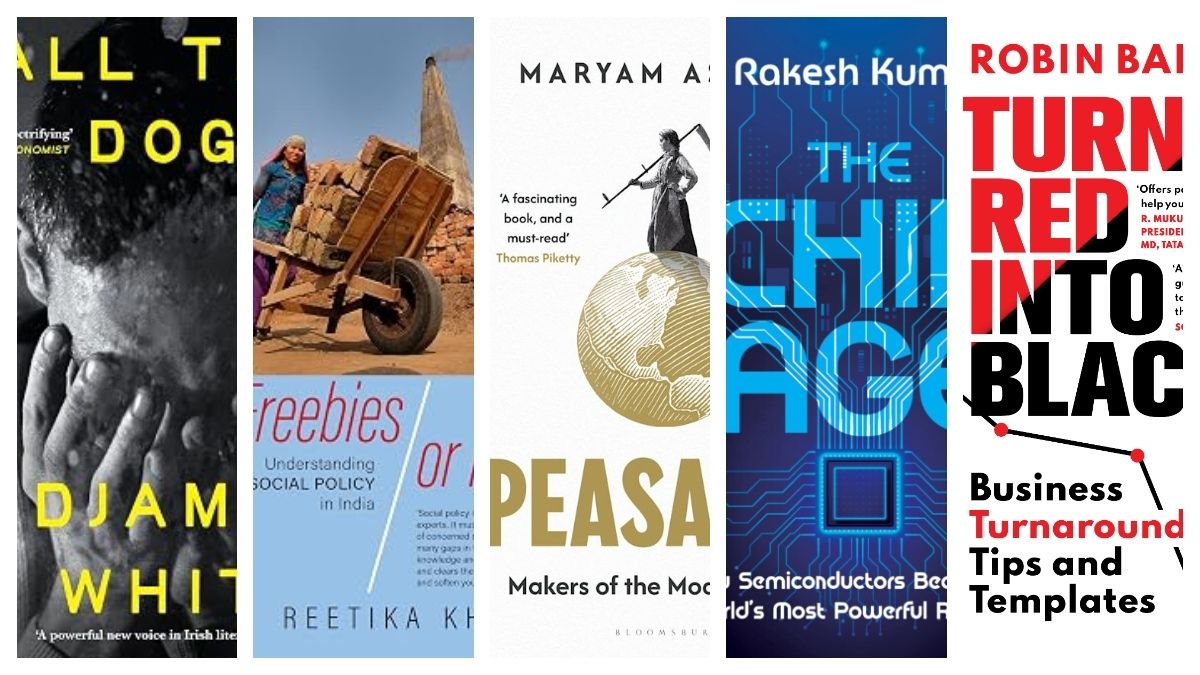
These five books look at very different parts of life and society.
The Chip Age explains why tiny computer chips are so important to modern countries and businesses.
Freebies or Rights asks whether government help should be seen as handouts or as basic rights.
Turning Red into Black uses famous business recoveries to explain how struggling companies can improve.
Peasants says farmers and rural communities still play a major role in feeding people and protecting nature.
All Them Dogs is a crime novel about a man returning to his old gang world.
The story becomes more complicated when he develops a relationship with a dangerous gang member.
Together, the books explore technology, government support, business, agriculture and crime.

Rakesh Kumar’s The Chip Age examines microchips, their production, their economic importance and semiconductor geopolitics.
Reetika Khera’s Freebies or Rights studies India’s welfare policies, including food, healthcare, education, pensions and employment support.
Turning Red into Black by Robin Banerjee presents business comebacks as lessons for reversing corporate decline and managing crises.
Maryam Aslany’s Peasants argues that peasants remain central to food systems, economies and environmental protection despite industrialisation.
Djamel White’s All Them Dogs follows Tony Ward’s dangerous return to West Dublin and his relationship with gang enforcer Darren ‘Flute’ Walsh.
- Who
- Authors Rakesh Kumar, Reetika Khera, Robin Banerjee, Maryam Aslany and Djamel White wrote the five featured books.
- What
- A books roundup presents works about semiconductors, welfare policy, business turnarounds, peasants and organized crime.
- Where
- The books are listed with publishers and Indian rupee prices; All Them Dogs is set in West Dublin.
- When
- Why
- The books aim to explain major forces shaping technology, social welfare, business recovery, food systems and human relationships under pressure.
Rights and Social Foundations
Costs, Markets and Industrial Change
Government welfare
Rights and Social Foundations
Freebies or Rights frames food, healthcare, education, pensions and employment support as rights that can help make a dignified life possible.
Costs, Markets and Industrial Change
The book raises the opposing description of these provisions as “freebies,” though the roundup does not present a separate argument defending that position.
The place of peasants
Rights and Social Foundations
Peasants argues that rural producers remain essential to global economies, food systems and the protection of fragile ecosystems.
Costs, Markets and Industrial Change
The book describes the industrial-modernity view that machines and megafarms have replaced peasants and pushed them into the shadows.
Key facts
- Books featured
- The Chip Age; Freebies or Rights; Turning Red into Black; Peasants; and All Them Dogs
- Publishers
- Penguin Random House, Speaking Tiger Books, Hachette and Bloomsbury
- Price range
- Rs 599 to Rs 799
- Page range
- 240 to 408 pages
- Welfare topics
- Food, healthcare, education, pensions, employment support, anganwadis, school meals and the public distribution system
- Business examples
- Steve Jobs being ousted from Apple and NVIDIA surviving on a month’s cash reserves
- Peasant population
- Peasants are described as making up roughly a quarter of humanity
- Crime novel setting
- Tony Ward returns to West Dublin after five years on the run
Sources
Related news
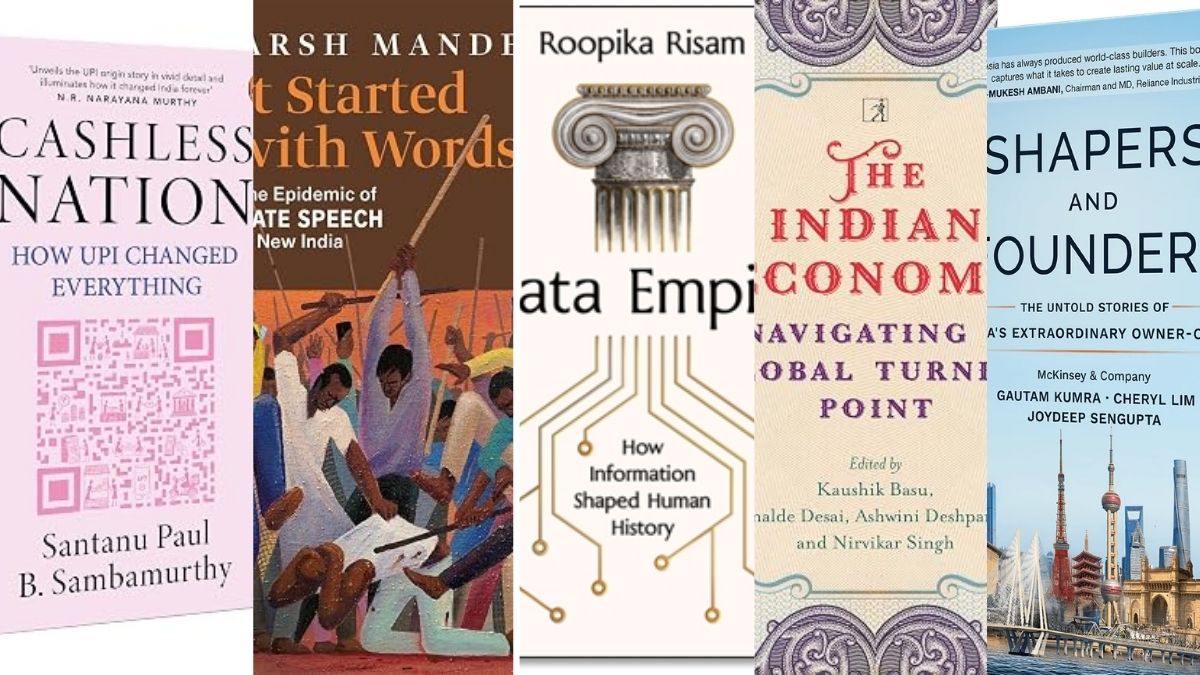
New Books Explore UPI, Data Power, India’s Economy, Hate Speech

India Plans 7nm to 3nm Chip Technology Within Eight Years
UPSC Key Tracks Talking Cars, Glaciers, Treaties And Growth
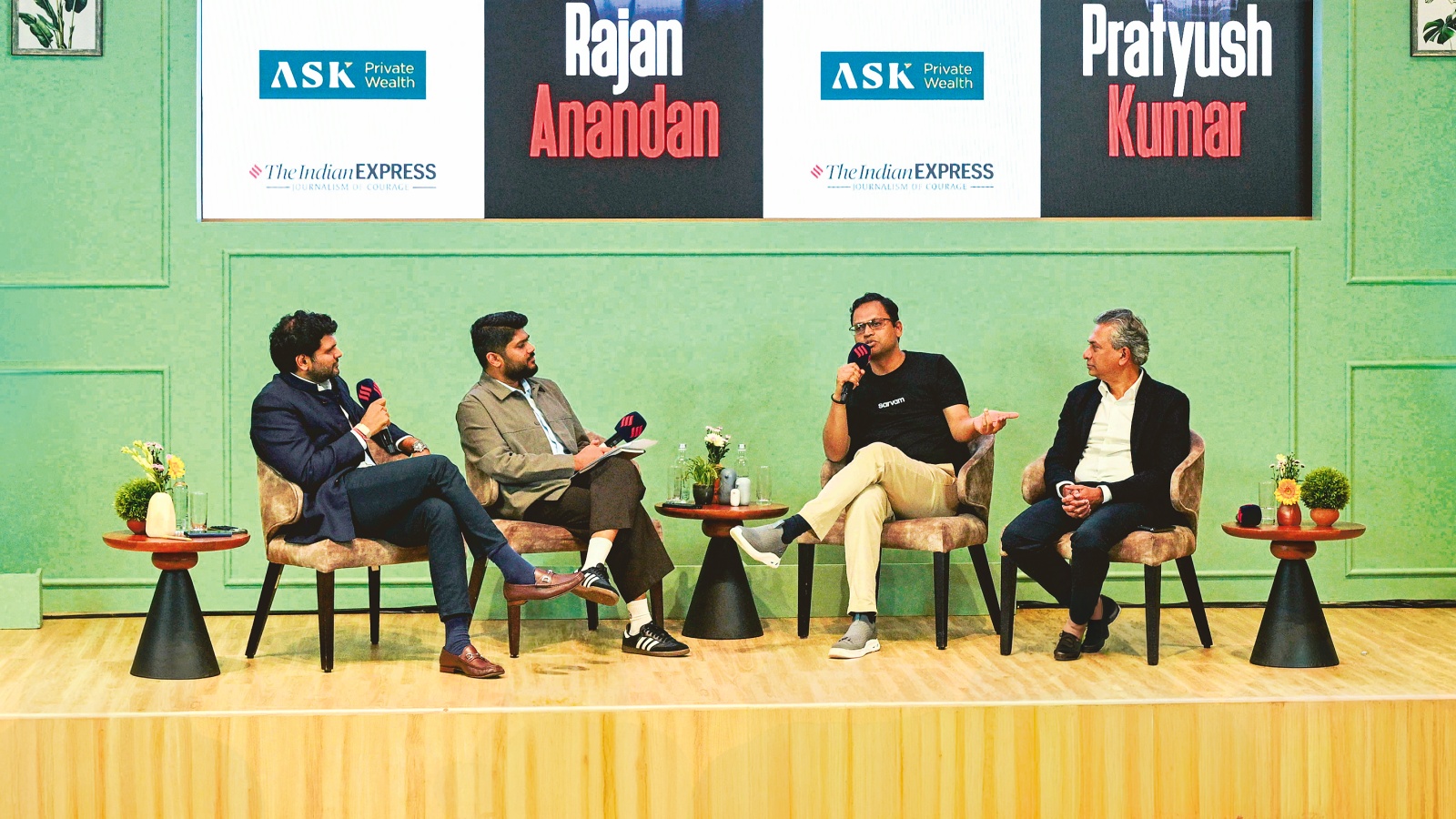
India’s AI Race Gains Momentum, But Jobs Remain Uncertain
India Builds Semiconductor Ecosystem From Chips to Fabs

Hindu Trader Shot Dead by Unidentified Gunmen in Balochistan

IHE Expo 2026 crowns India's culinary champions in three competitions

Rising healthcare costs may derail retirement plans, experts warn

Gen-Alpha students protest for basic amenities in UP school
