

29 mins ago
India’s Gen Z Challenges Tradition, Authority and Social Norms
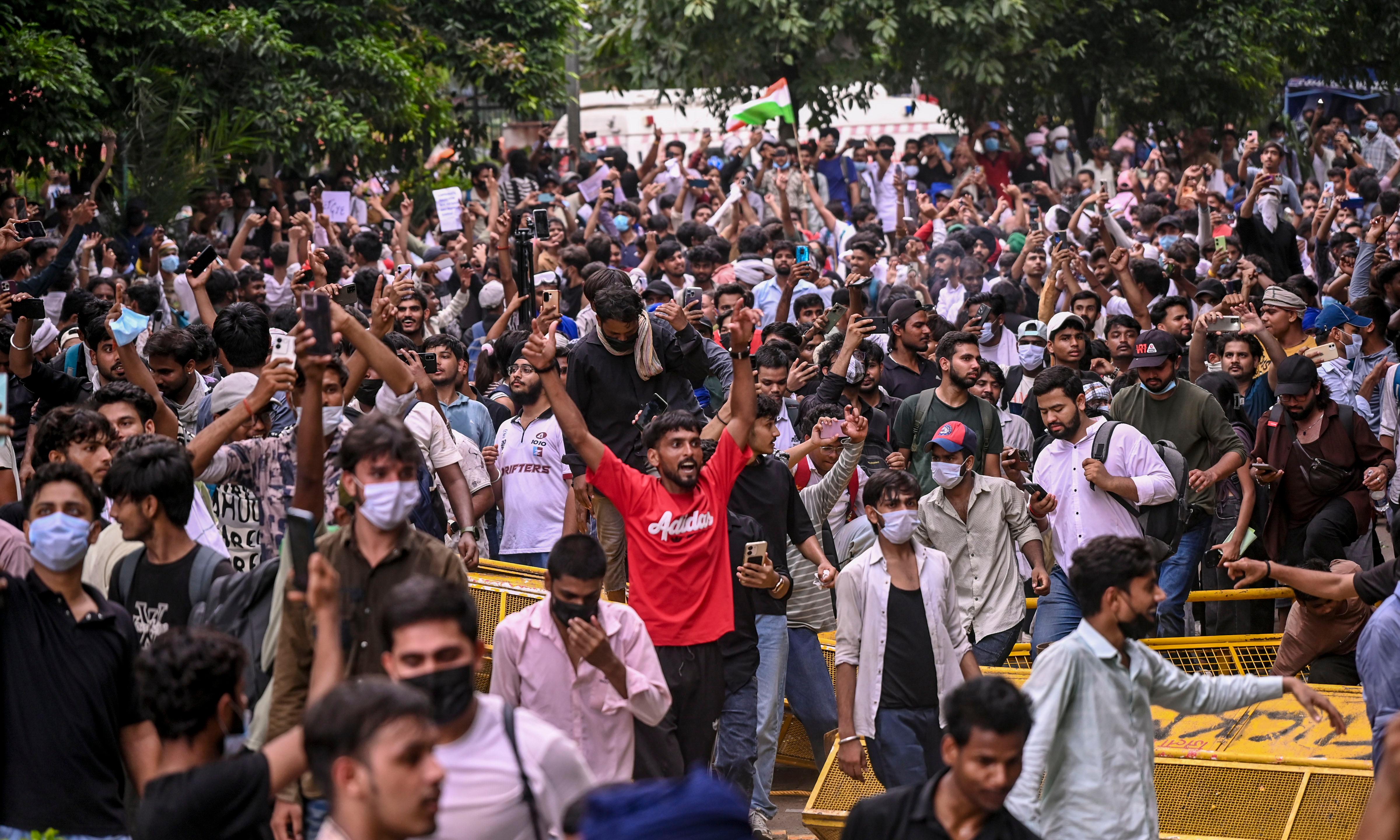
Many young people in India are questioning rules that older generations have followed for a long time.
They are asking whether parents, community leaders and the government should always be assumed to know best.
A youth movement called the Cockroach Janta Party grew after protests about a medical exam question-paper leak.
Some protesters said the government did not properly answer their concerns and treated demonstrators harshly.
A teenage girl was widely criticised after insulting Prime Minister Narendra Modi online.
Modi later forgave her and said adults should guide children.
In Haryana, young people also challenged village leaders who wanted to control women’s phones and reject some adult relationships.
Social media has helped young people organise and share criticism more quickly.
The article says questioning old rules can help create a more equal and accepting society.

The Cockroach Janta Party emerged from June-July protests in New Delhi over accountability after medical entrance exams were cancelled following a question-paper leak.
A 15-year-old girl faced harassment and trolling after using expletives about Prime Minister Narendra Modi, who later forgave her and said elders should guide children.
The protests also criticised the government’s response, including force against demonstrators and silence over calls for the education minister’s resignation.
Gen Z protesters in Haryana challenged a khap panchayat’s restrictions on women’s phones, live-in relationships and same-sex relationships.
The article argues that social media, education, economic change and generational differences are accelerating challenges to India’s traditional social norms.
- Who
- Indian Gen Z protesters, young people, minorities, women and other groups challenging traditional and political authority; the government and khap panchayats are among those being challenged.
- What
- A growing movement is questioning social customs, government accountability and older generations’ authority.
- Where
- New Delhi and villages in Haryana, as well as Indian families, institutions and online spaces.
- When
- The latest protests occurred in June-July, with the broader challenge described as ongoing.
- Why
- Young people are seeking accountability, personal freedom, gender equality and greater acceptance of diverse identities and life choices.
Youth Challengers
Traditional Authorities
Who should guide young adults?
Youth Challengers
Young people argue that adults should make their own decisions and that personal choices should not be controlled by parents or community leaders.
Traditional Authorities
Older authorities say parents and elders should guide children toward what they consider the right path.
Community customs and relationships
Youth Challengers
Gen Z protesters say consenting adults’ personal choices should take priority over village customs, including restrictions on relationships.
Traditional Authorities
The khap panchayat defended its position as a way for parents to control children and preserve accepted community norms.
Political criticism
Youth Challengers
Protesters demand government accountability over the exam controversy and challenge the idea that criticism of authority is anti-national.
Traditional Authorities
The article says challenges to government policies and practices are often treated as anti-national or unpatriotic.
Key facts
- Youth movement
- The Cockroach Janta Party is described as emerging and growing from protests in New Delhi.
- Protest issue
- Young people demanded accountability after medical entrance exams were cancelled following a question-paper leak.
- Government response
- The article says protesters were beaten and sprayed with water, while the government remained silent for weeks about calls for the education minister’s resignation.
- Teenage protester
- A 15-year-old girl was harassed and trolled after using expletives about Prime Minister Narendra Modi.
- Haryana decree
- A khap panchayat called for young women’s phones to be smashed and opposed live-in and same-sex relationships.
- Social change
- The article links changing norms to social media, technological advances, economic reforms and widening generational differences.
Sources
Related news
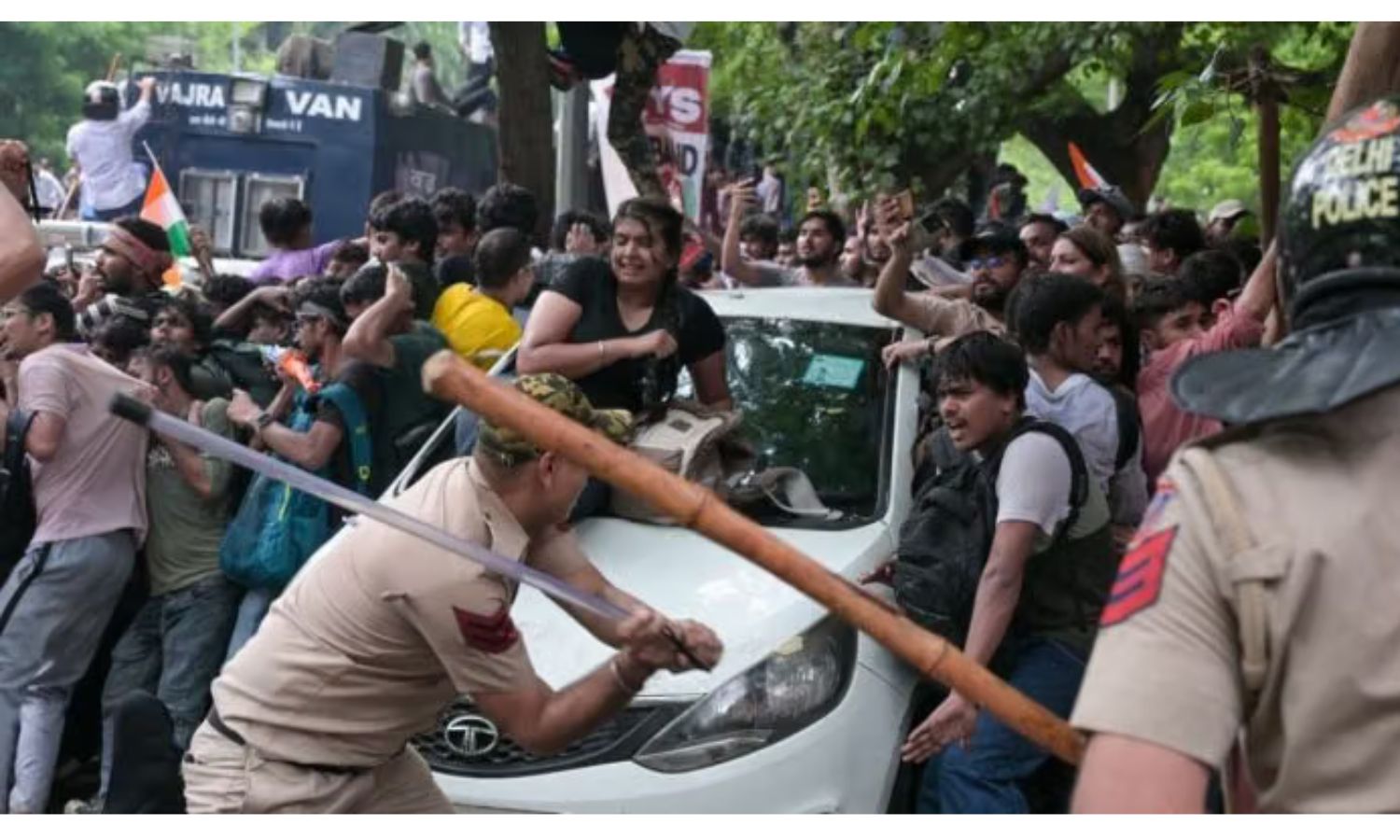
India’s Youth Challenge Government Over Education and Political Silence
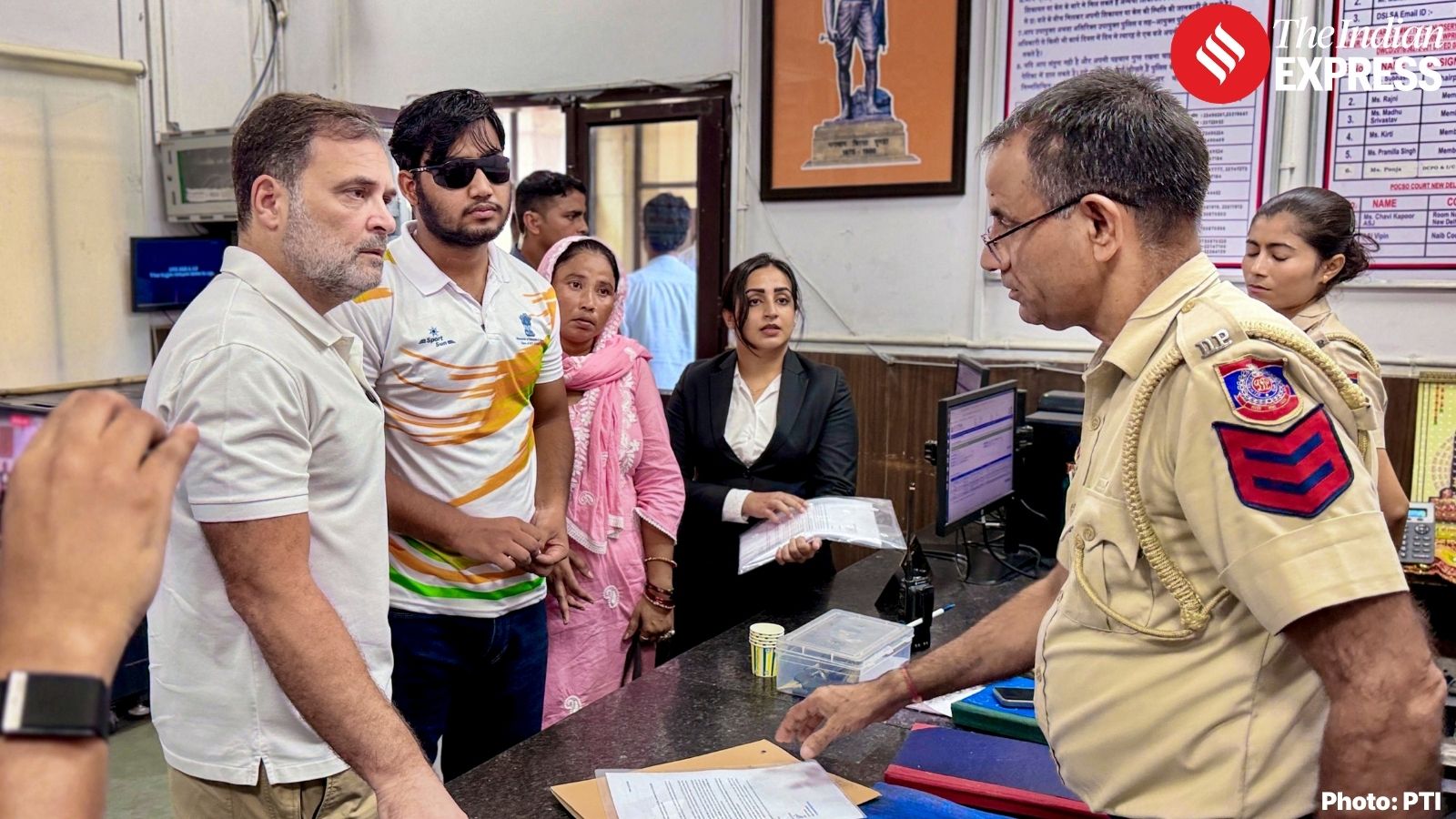
Shashi Tharoor Urges Opposition to Learn From Youth Revolt
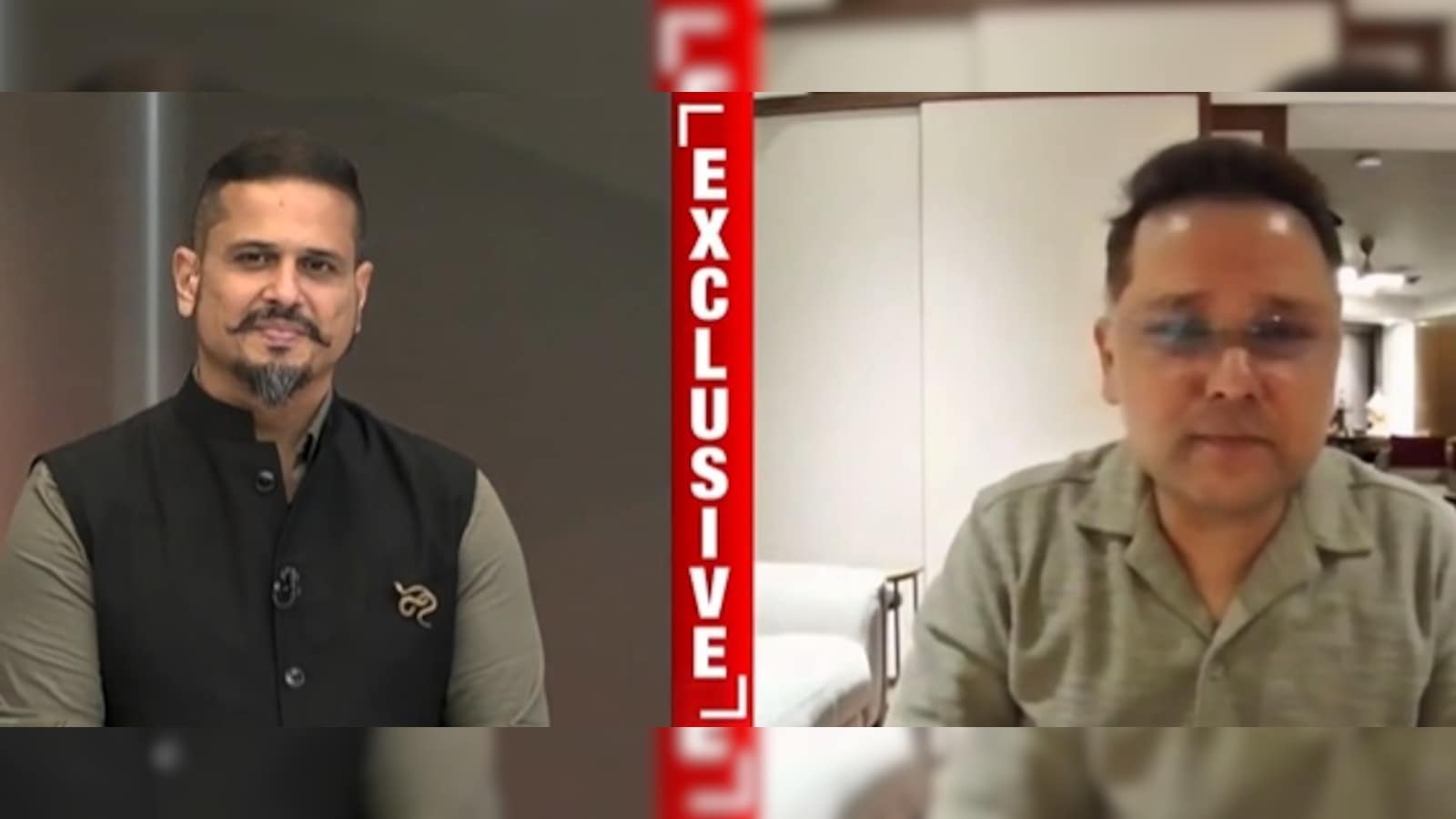
Amish Tripathi Says Gen Z Tamer Than Older Generations
Rahul Gandhi Gains Ground as BJP Struggles with Youth Anger

Gen Z Protests Knock on India’s Democratic Door

Political Parties Urged to Mentor Gen Z, Respect Institutions

Ambala-Shamli Expressway Reaches 70% Completion, Cuts Travel Time

Punjab’s Drug Challenge Shifts From Heroin To Pharmaceutical Smuggling
Delhi Police Arrest Three Over Anti-BRICS, Pro-Khalistan Graffiti

High Court Strikes Down Tax Reassessment Provision After Lawyer’s Fight
