

1 week ago
India’s Youth Challenge Government Over Education and Political Silence
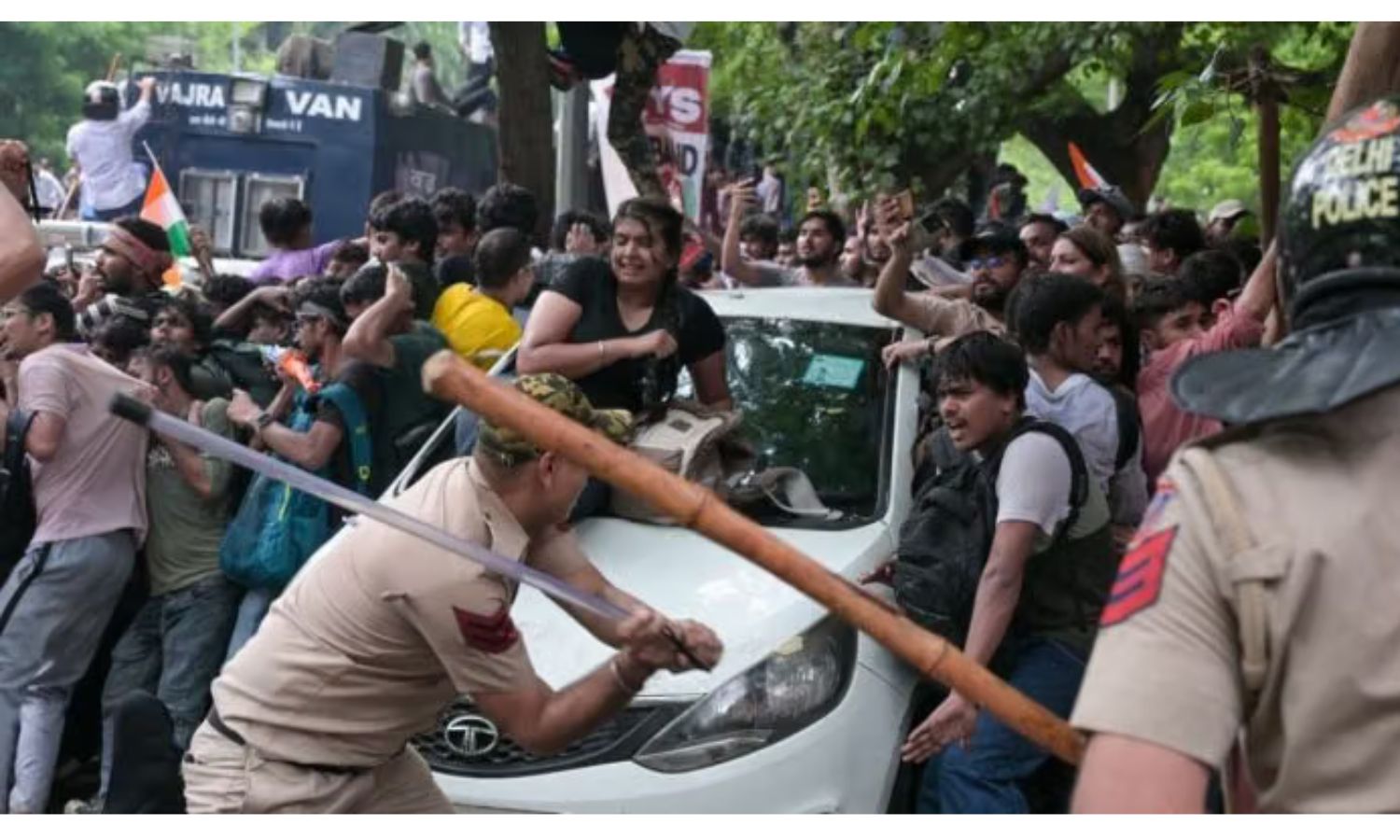
Shobhaa De writes about young people speaking out against problems in India’s education system.
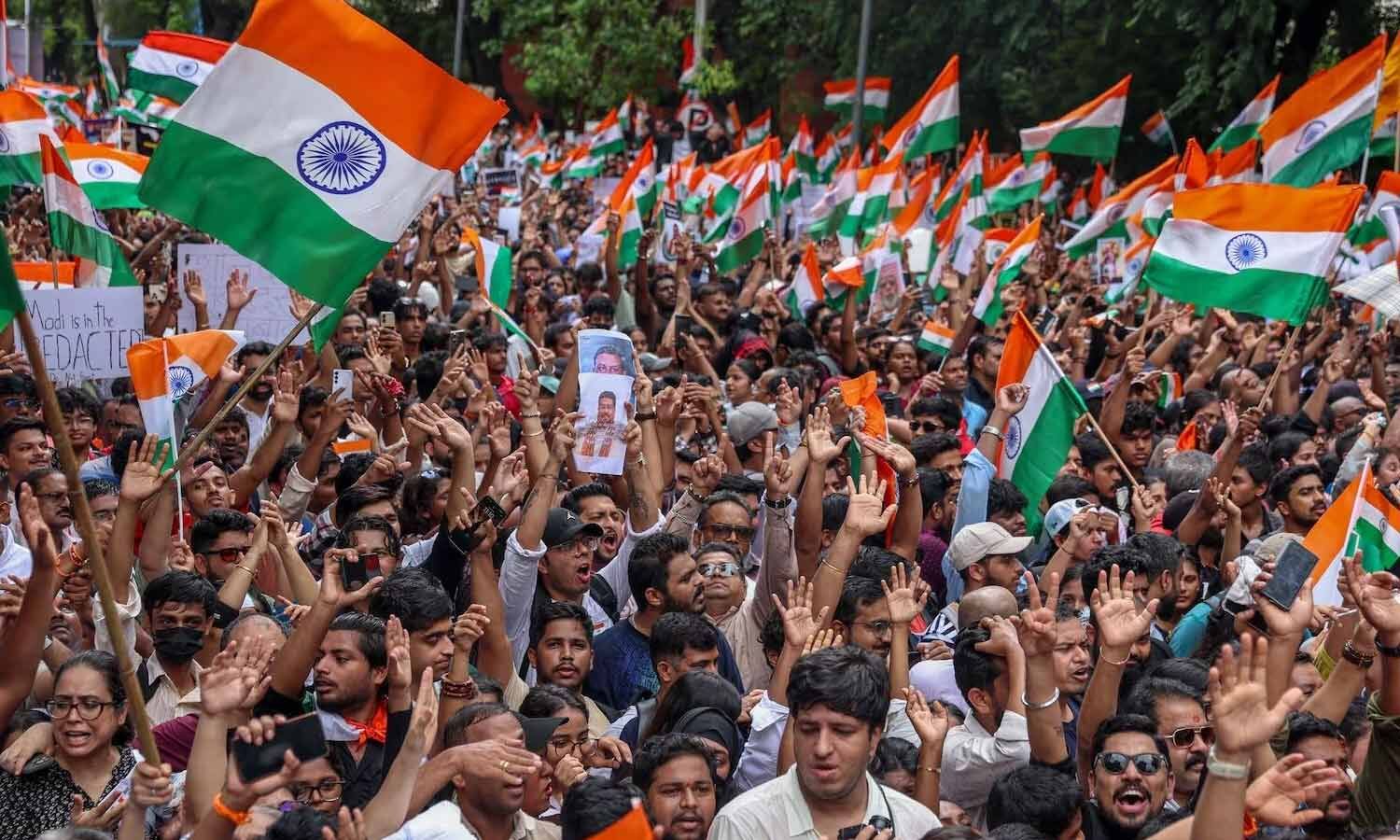
She says protests began at Jantar Mantar on June 6 and spread across the country.
The protesters want better schools, teachers and facilities.
They also question leaders whom she believes are too old and disconnected from young people.
The article says many people had stayed silent for more than 12 years because they were afraid.
De calls the youth movement an important victory because it made citizens feel able to speak again.
She says the government’s response, including free coaching classes, does not solve the larger school crisis.
She also warns the protesters to stay responsible and not become abusive or overconfident.

Shobhaa De describes youth-led protests beginning at Jantar Mantar on June 6 as a major political and psychological victory.
The movement, associated with the labels “Cockroaches” and “Dimaagi Naxals,” demands better government education and questions the authorities.
De argues that young Indians have rejected leadership dominated by people in their 70s and 80s and have reclaimed their public voice.
The article cites a 2.6-crore decline in government-school enrolment and the closure of 25 government schools daily.
De praises the protesters’ challenge to the government but warns that they must avoid arrogance, aggression and unreasonable demands.
- Who
- Young Indian protesters, including groups called “Cockroaches” and “Dimaagi Naxals,” along with the government and established political leaders.
- What
- A youth-led challenge to the government over education problems, political accountability and what the article describes as years of public silence.
- Where
- It began at Jantar Mantar and then spread across India; the article specifically mentions Jharkhand.
- When
- The movement is described as beginning on June 6; the article also refers to conditions and enrolment figures from the previous year.
- Why
- Protesters are demanding quality government education and questioning government decisions, alleged intimidation and the age and priorities of political leadership.
Youth Protesters and Reform Advocates
Established Leadership and Movement Critics
Education priorities
Youth Protesters and Reform Advocates
Protesters demand immediate improvements to government schools, including better facilities, teachers and learning conditions.
Established Leadership and Movement Critics
The government response described in the article emphasizes free coaching classes, which De criticizes as insufficient for the broader school crisis.
Political leadership
Youth Protesters and Reform Advocates
De argues that young Indians are rejecting leaders in their 70s and 80s whom she portrays as disconnected from current needs.
Established Leadership and Movement Critics
The article does not present a direct defense from older leaders, but frames the established leadership as the governing authority whose decisions remain central.
Role and conduct of activists
Youth Protesters and Reform Advocates
The movement is credited with breaking public silence, forcing questions into the political debate and challenging government intimidation.
Established Leadership and Movement Critics
De cautions that some aggressive Gen Z participants may damage the movement’s credibility and says the groups should not automatically be treated as an alternative government.
Key facts
- Movement starting point
- Jantar Mantar on June 6
- Main demand
- Better quality and access in government education
- Government-school enrolment
- The article says enrolment fell by 2.6 crores last year
- School closures
- The article says 25 government schools shut down every day in India
- Criminal cases among leaders
- The Supreme Court was told that 326 MPs and 14 chief ministers have criminal cases against them
- Government response criticized
- The article describes free coaching classes and a new Bharatiya Janata Party IT cell as inadequate or misguided responses
- Movement slogans and labels
- “School theek karo!” is identified as a central slogan, while “Cockroaches” and “Dimaagi Naxals” are movement labels discussed in the article
Quotes
A young girl from Jharkhand
A school-age girl from Jharkhand cited by De while discussing educational deprivation.
“Jharkhand is 25 years old, but still feels like one.”
 deccanchronicle.com
“Don’t play delay tactics with us”
deccanchronicle.com
Sources
Related news
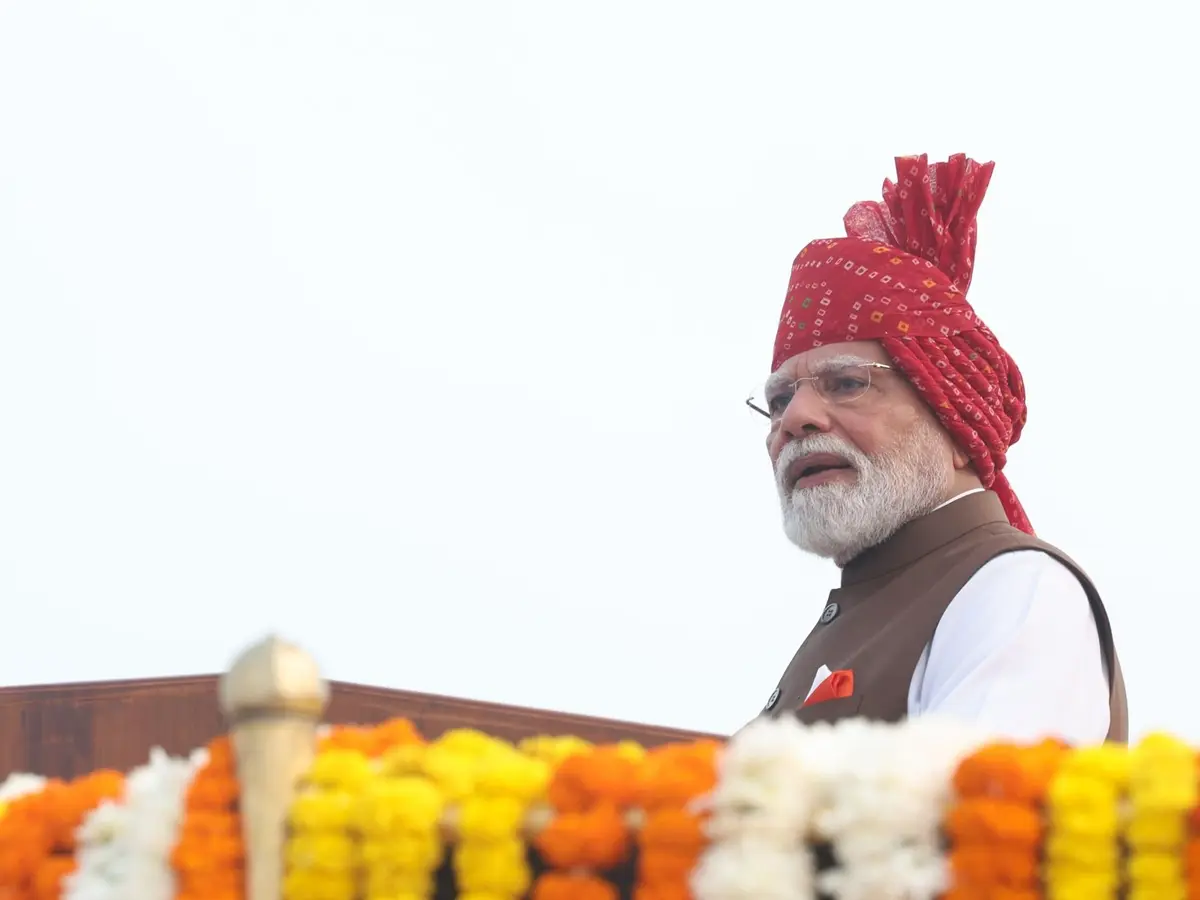
Opposition leaders hit back at Modi's 'dimagi Naxal' remark
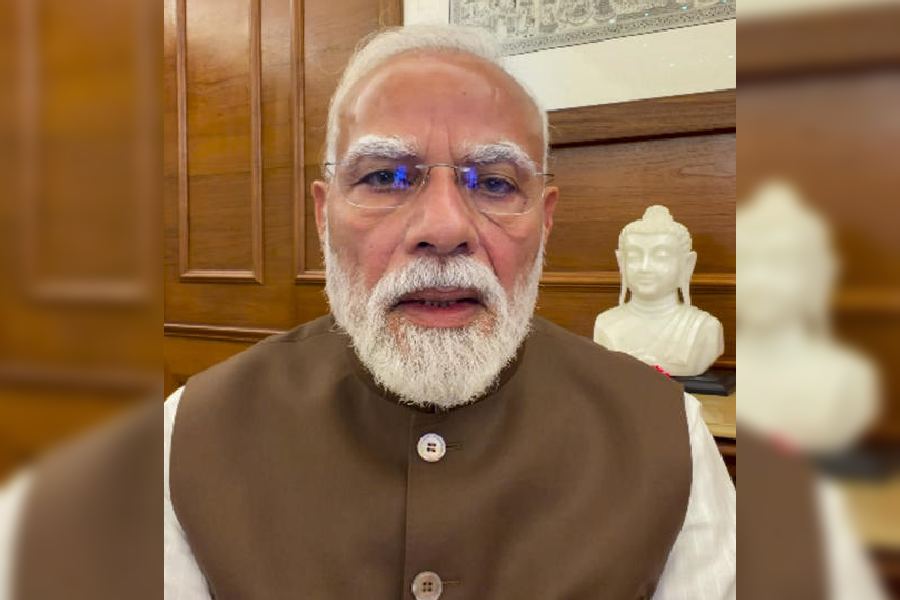
BJP Keeps Its Eye on the Ball After Pradhan's Resignation
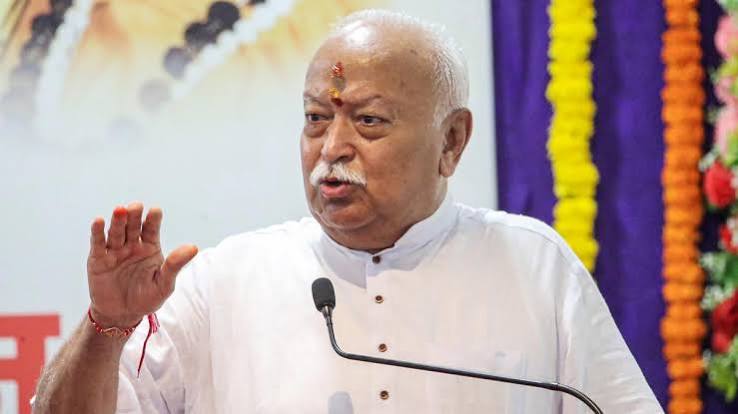
RSS Chief Says Gen Z Protesters Are Not Anti-National

Will India's Gen Z Voters Shape the 2029 Election?

Modi’s Meme-Age Politics Faces Youth Backlash and Labels
New political mood takes shape in India amid calls for accountability
NC and BJP Protests Escalate J&K Statehood, Governance Clash
Shivakumar Calls BJP Padayatra Cover-Up for Internal Crisis
Omar Abdullah Alleges Unequal Treatment of Srinagar Political Protests

Manipur Census Deferment Welcomed as Step Toward Public Aspirations
TMC Alleges Police Misuse and Denial of Legal Notices
