4 days ago
Rahul Gandhi Gains Ground as BJP Struggles with Youth Anger
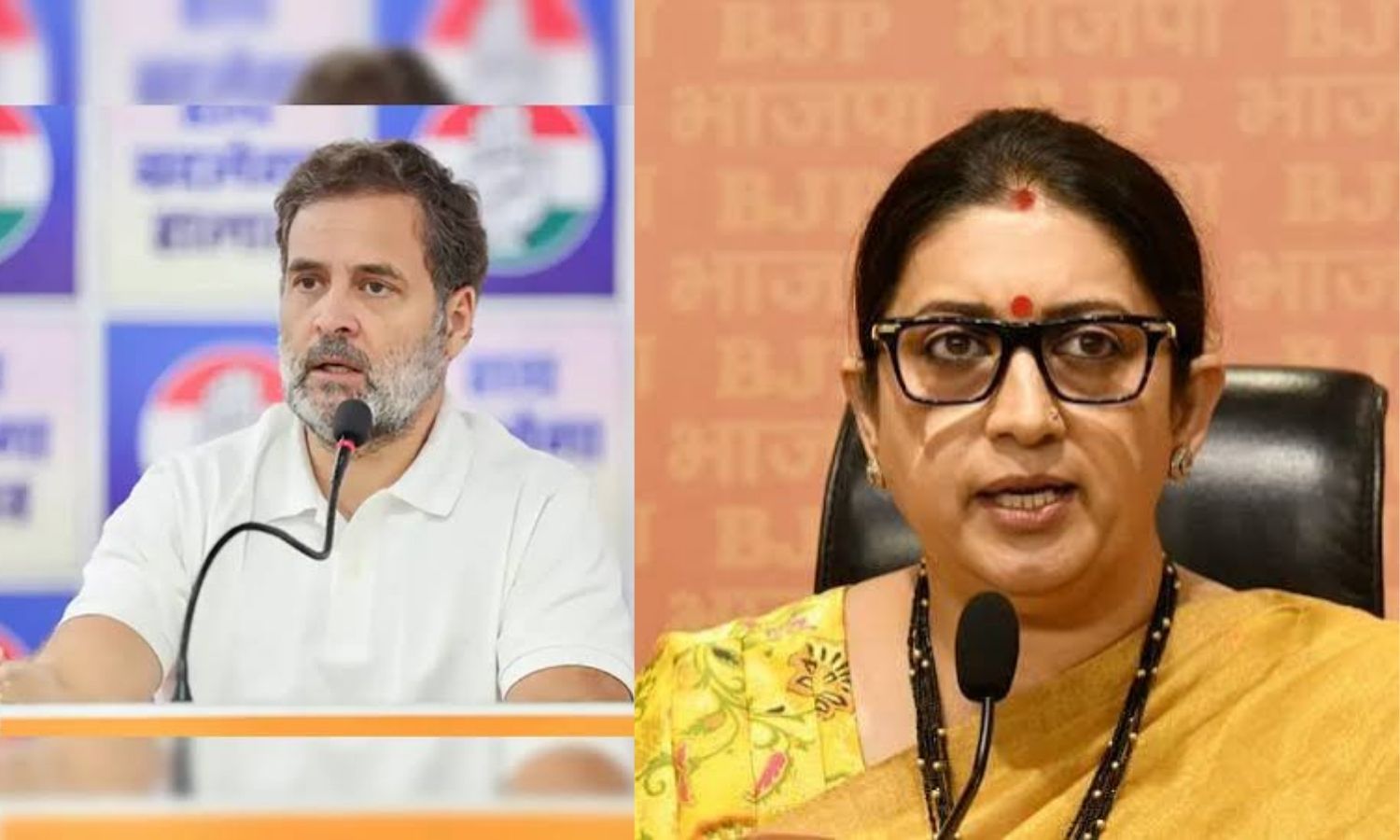
India’s two biggest national parties are trying to connect with young voters.
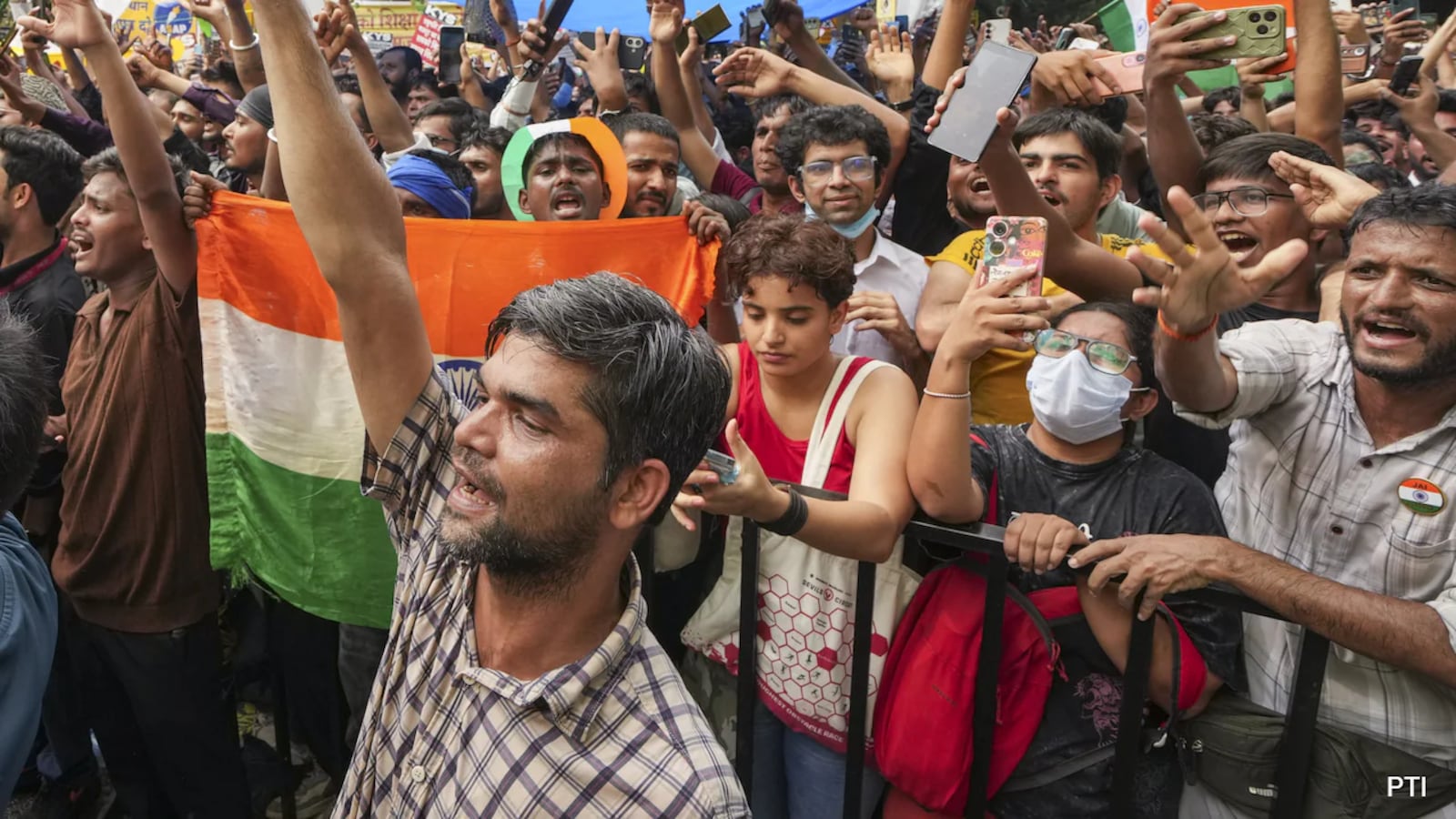
Young people have been protesting about an examination paper leak and other problems.
Rahul Gandhi has visited places such as Kota, Prayagraj and Pune to speak with them.
He talked about people having equal rights and the freedom to be themselves.
Many young listeners responded positively to his message.
Smriti Irani of the BJP said older people can still be relevant in politics.
She also called the focus on age “ageist.”
The article says the BJP is struggling because it is in government, while Rahul Gandhi is using young people’s anger to criticize it.

The Bharatiya Janata Party and Indian National Congress are intensifying efforts to reach India’s “Gen Z” voters.
Rahul Gandhi has engaged young people in Kota, Prayagraj and Pune following youth protests over an examination paper leak.
At a Pune event, Gandhi emphasized individual rights and freedoms while criticizing the Manusmriti.
Smriti Irani questioned whether political relevance depends on being young and called the focus on youth “ageist.”
The article argues that the BJP’s position as the ruling party makes it harder to channel anti-government anger, while Congress is benefiting from it.
- Who
- The Bharatiya Janata Party, the Indian National Congress, Rahul Gandhi, Smriti Irani and young Indian protesters.
- What
- The two major parties are competing to engage politically active young people, with Rahul Gandhi portrayed as gaining an advantage.
- Where
- Youth outreach and events mentioned in the article took place in Kota, Prayagraj, Pune and at Jantar Mantar.
- When
- The article discusses developments in 2026, including protests in July and Gandhi’s recent youth engagements.
- Why
- Young people’s anger over an examination paper leak, economic stress and dissatisfaction with the government has created a political opening.
Youth-focused change
Defence of established leadership
Political messaging
Youth-focused change
Rahul Gandhi is presented as addressing young people’s anger with messages about individual rights, freedom and change.
Defence of established leadership
Smriti Irani argues that older politicians can remain relevant and objects to treating youth as the main measure of political relevance.
Response to protests
Youth-focused change
The Congress is portrayed as using dissatisfaction over the examination system and economic stress to demand change.
Defence of established leadership
The BJP is described as defending a government associated by critics with these problems while seeking new ways to connect with young people.
Approach to youth outreach
Youth-focused change
Rahul Gandhi’s direct engagements in Kota, Prayagraj and Pune reportedly received enthusiastic responses.
Defence of established leadership
The article characterizes the BJP’s outreach, including Narendra Modi’s Instagram initiative and Irani’s remarks, as hesitant or defensive.
Key facts
- Main parties
- The Bharatiya Janata Party and the Indian National Congress
- Youth issue
- Protests over an examination paper leak
- Rahul Gandhi’s outreach
- Engagements in Kota, Prayagraj and Pune
- Smriti Irani’s response
- She questioned whether political relevance depends on being 29 and described the focus on youth as “ageist.”
- BJP position
- The article describes the BJP as the ruling party for more than a decade and therefore associated with the status quo.
- Youth demographic
- The article says India’s young population has a media age of 29, up from 25 a decade earlier.
- Historical comparison
- The article compares the current situation with the Congress’s difficulties during the 2011 India Against Corruption movement.
Quotes

Smriti Irani
BJP general secretary and former electoral rival of Rahul Gandhi
“Are we not relevant because we are not 29?”
 deccanchronicle.com
Sources
Related news

Rahul Gandhi's Gen Z Outreach Questioned by Congress' Shashi Tharoor
India’s Parties Court Gen Z After Youth Protests

Tharoor Questions Whether Parties Failed to Hear Gen Z

Rahul Gandhi and Modi Government Vie for Gen Z

BJP’s Gen Z Outreach Draws Sarcastic Criticism From CJP
Ayodhya Temple CEO Appointment Faces Opposition Donation Allegations

Telangana BJP Alleges Congress, BRS Avoid Hyderabad Liberation Day
Haryana sanitation workers’ strike puts BJP government under pressure

Rival NC-BJP Protests Roil J&K as Police Halt Marches
Shivakumar Calls BJP Padayatra Cover-Up for Internal Crisis