

1 week ago
Political Parties Urged to Mentor Gen Z, Respect Institutions

The article says young people need guidance, not politicians who support them only to win votes.
It focuses on Gen Z, the name often used for today’s younger generation.
The author describes a woman in Ladakh arguing with Army personnel and later apologising.
The article also mentions controversial remarks made during protests about a NEET paper leak.
It says political groups should not defend unlawful or disrespectful behaviour just because it may help them politically.
The author discusses disagreements over how Vande Mataram should be sung.
The article argues that people may challenge laws, but they should do so through democratic institutions and courts.
It asks Gen Z to decide whether it wants to respect rules and improve them peacefully or reject rules whenever it disagrees with them.

The author argues that Indian political parties are courting Gen Z voters instead of mentoring and guiding them.
A Ladakh tourist who confronted Army personnel at a checkpoint reportedly invoked Gen Z before later apologising.
The article criticises political responses to remarks against the Army during protests over the NEET paper-leak issue.
It questions opposition objections to the prescribed form of Vande Mataram and links them to electoral calculations.
The author says disagreements with laws should be addressed through democratic debate or the Supreme Court, not selective non-compliance.
- Who
- The author, Indian political parties, Gen Z, opposition leaders, Army personnel, and people involved in the cited protests and Vande Mataram debate.
- What
- An opinion article argues that political parties should mentor young Indians, uphold the law, and respect democratic institutions rather than pursue electoral convenience.
- Where
- The cited events and debates involve Ladakh, Jantar Mantar, the AICC office in New Delhi, Parliament, and the Supreme Court.
- When
- The article refers to a Ladakh incident described as recent, a NEET-related protest on July 20, and the Congress Working Committee’s 1937 decision.
- Why
- The author says electoral calculations are encouraging parties to defend controversial conduct and selectively challenge laws or national symbols.
Political and personal objections
Author’s institutional argument
Support for controversial conduct
Political and personal objections
The article says some opposition parties and activists defend or politically connect controversial behaviour, including remarks against the Army, to broader issues.
Author’s institutional argument
The author argues that unlawful or disrespectful conduct should be criticised regardless of the offender’s political constituency or generational identity.
Vande Mataram
Political and personal objections
The Congress and its allies are described as objecting to the full or prescribed version because of historical and, according to the article, possible religious-sentiment concerns.
Author’s institutional argument
The author argues that Parliament’s position should be respected and that disagreements should be pursued through democratic debate or judicial review, not competing political versions.
Gen Z and political responsibility
Political and personal objections
Political parties are portrayed as invoking Gen Z and defending young people to attract their votes.
Author’s institutional argument
The author says older generations and political leaders should guide Gen Z toward respect for law, democratic institutions, and national values.
Key facts
- Article perspective
- The piece is an opinion article arguing that Gen Z should be mentored rather than politically manipulated.
- Ladakh incident
- A woman tourist reportedly objected to an Army road blockade at a check post, invoked Gen Z, and later apologised.
- NEET protest
- The article refers to objectionable remarks allegedly made during a politically charged protest at Jantar Mantar on July 20.
- Vande Mataram dispute
- The author criticises opposition objections to singing the form of Vande Mataram prescribed by Parliament.
- Historical reference
- The article discusses the Congress Working Committee’s 1937 decision to restrict parts of the song.
- Suggested democratic remedy
- The author says parties that consider a parliamentary law wrong or unconstitutional can challenge it before the Supreme Court.
Quotes
Ladakh woman tourist
A woman tourist involved in a confrontation with Army personnel at a Ladakh check post
“We are Gen Z”
 thehansindia.com
Sources
Related news
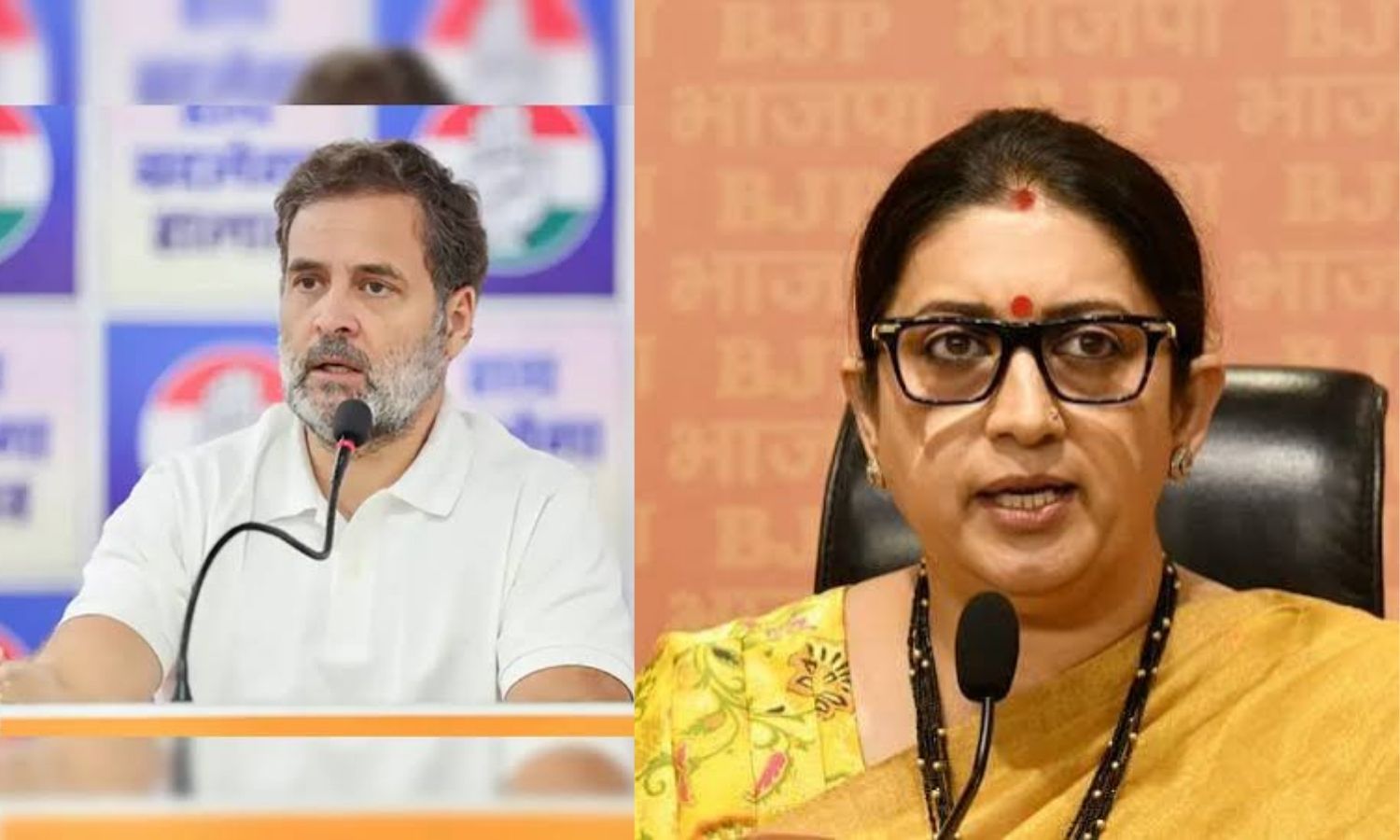
Rahul Gandhi Gains Ground as BJP Struggles with Youth Anger
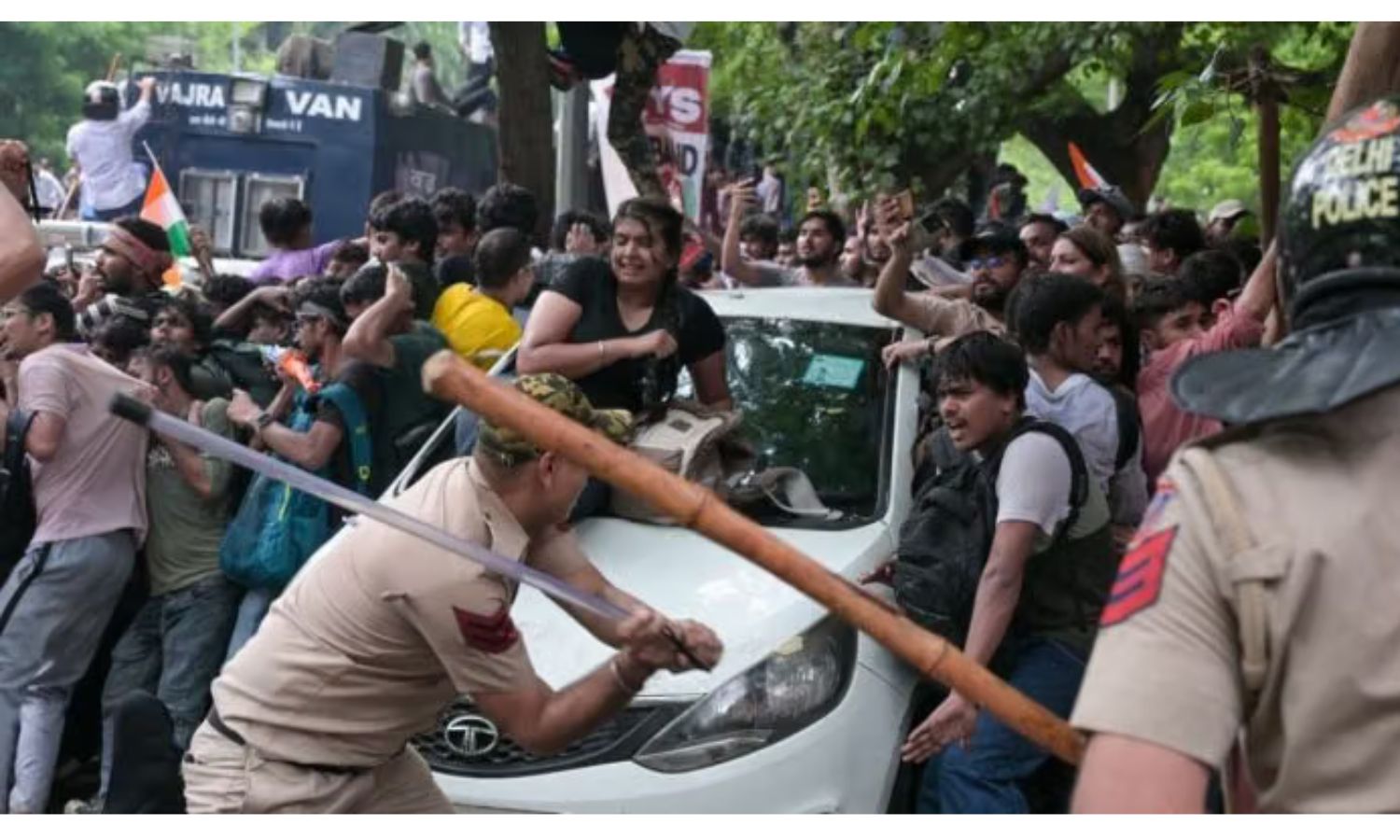
India’s Youth Challenge Government Over Education and Political Silence
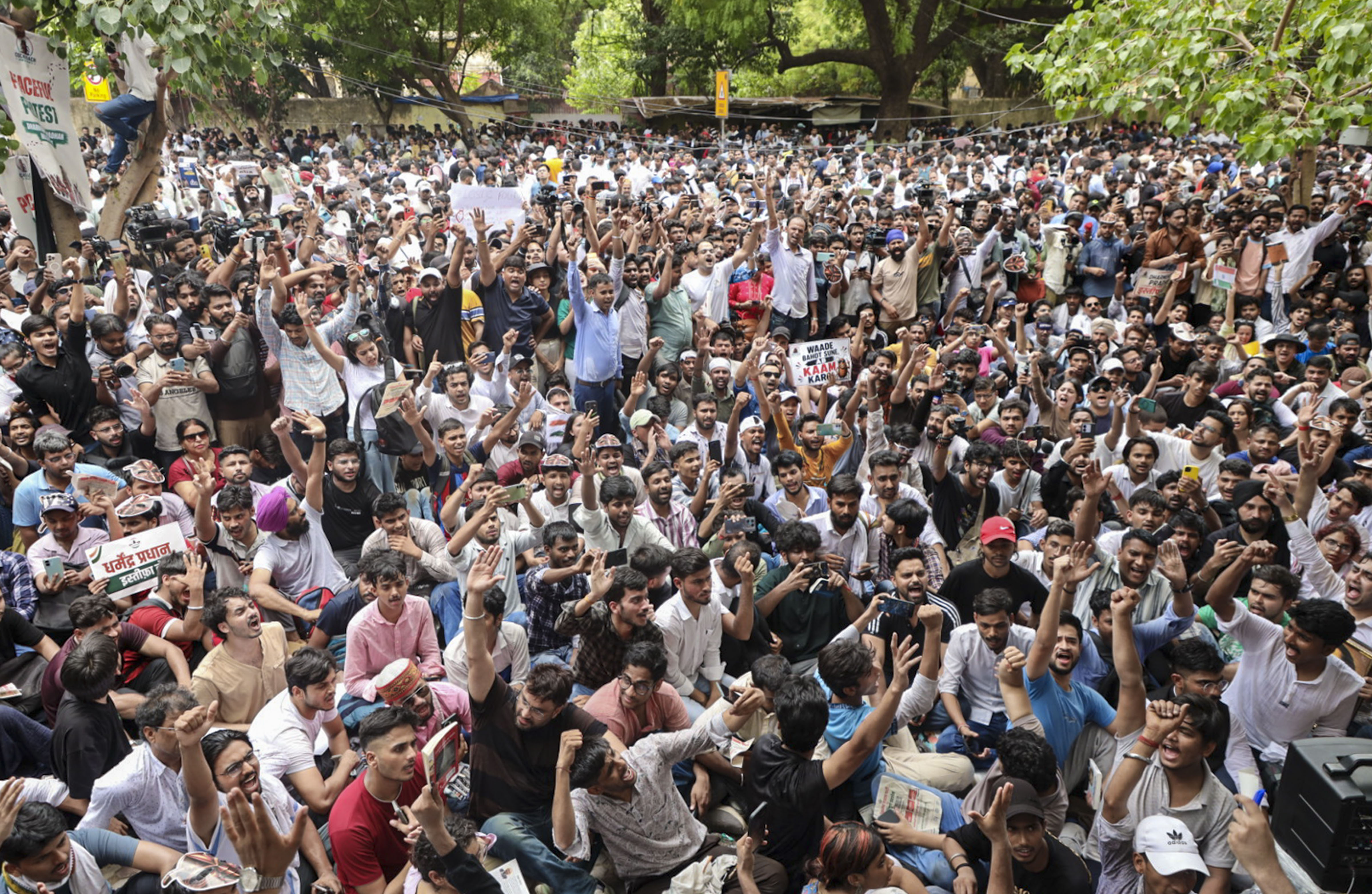
Vande Mataram Debate Faces Temple Scandal, Gen Z Anger
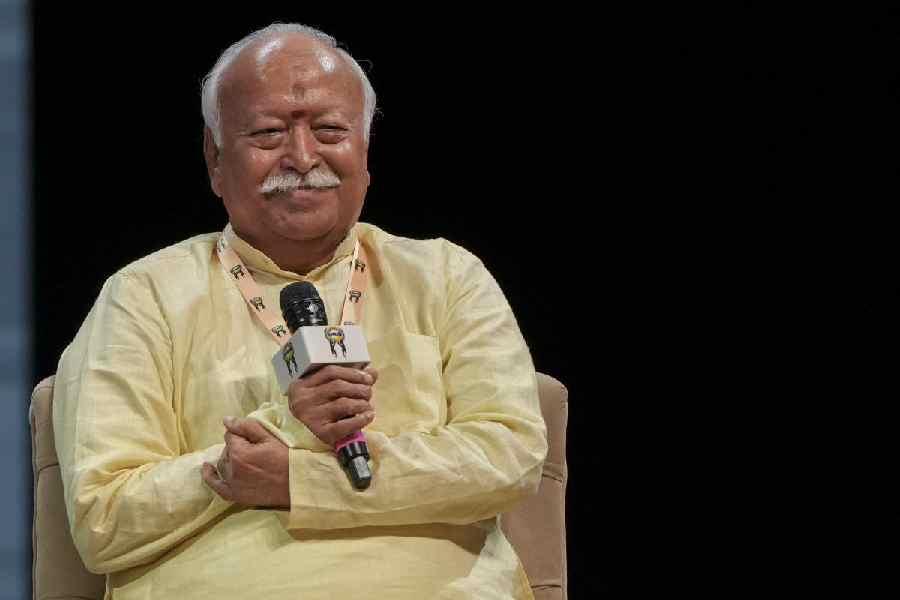
RSS chief says Gen Z protesters not anti-nationals, more honest

Parliament turned into meme while accountability takes back seat

HHRC Seeks Answers Over 20-Year Water Shortage in Faridabad
Shinde Sena Challenges Shiv Sena’s 2018 Power Shift

Supreme Court Questions BCI Chairman’s Proposed Five-Year Tenure

BJP MPs Seek National Commission for General Category Interests
PUCL Urges CJI Action Over Rajasthan High Court Allegations
