16 hrs ago
European Payment Groups Unite to Challenge Visa and Mastercard Dominance
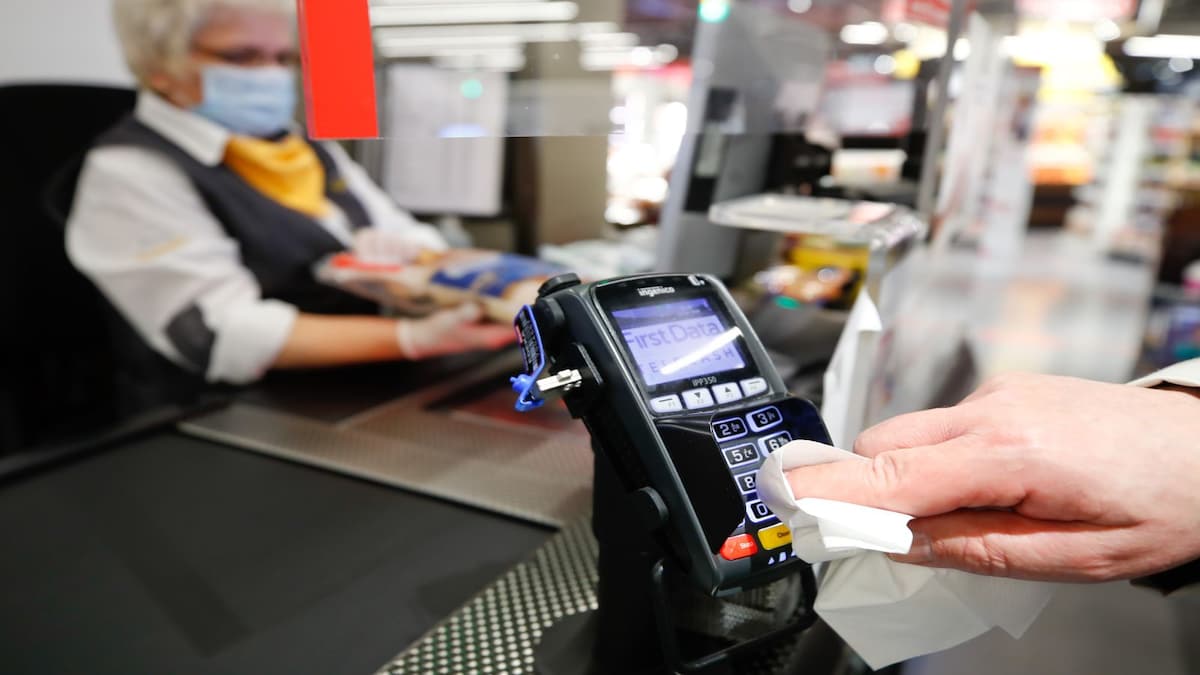
Several European payment services are joining together to make payments work more easily across borders.
Their new company will be called the European Network for Payments, or ENP.
It will connect existing payment systems instead of replacing them.
The group says its members serve about 130 million people in 13 European countries.
The system will first support payments between people in different countries.
Later, it may support online shopping and payments in stores.
Europe currently relies heavily on Visa and Mastercard for card payments.
European leaders are concerned about depending on payment systems controlled by companies from the United States.
The European Central Bank is also working toward a digital euro for 2029.

Bizum, Bancomat, Wero and other European payment groups are forming the European Network for Payments.
The new company will be based in Madrid and operate a shared cross-border payment hub.
Its founding groups serve about 130 million users across 13 European countries.
ENP will initially connect person-to-person payments before expanding to e-commerce and point-of-sale transactions.
The initiative aims to reduce Europe’s reliance on Visa and Mastercard and strengthen payments sovereignty.
- Who
- Bizum, Bancomat, EPI Company/Wero, SIBS-MB WAY and Vipps MobilePay are forming the network.
- What
- The groups are creating a joint company to connect European domestic payment systems for cross-border transactions.
- Where
- The European Network for Payments will be based in Madrid, Spain.
- When
- The announcement was made on Wednesday, September 30; a phased rollout will begin later.
- Why
- The initiative is intended to reduce Europe’s dependence on Visa and Mastercard and strengthen European payments sovereignty.
Key facts
- New organization
- European Network for Payments (ENP)
- Headquarters
- Madrid, Spain
- Founding groups
- Bancomat, Bizum, EPI Company/Wero, SIBS-MB WAY and Vipps MobilePay
- Users served
- Approximately 130 million
- Geographic reach
- 13 European countries
- Initial service
- Cross-border person-to-person payments
- Planned expansion
- E-commerce and point-of-sale transactions
- Digital euro target
- The European Central Bank aims to introduce a digital euro by 2029
Sources
Related news
BRICS explores local-currency payments to reduce dollar dependence

India to Showcase UPI at 2026 BRICS Summit
ECB Links Blockchain Markets With Euro-Backed Settlement Service

Brics Local-Currency Trade Could Take Decade to Integrate

BRICS Pushes Deeper Cross-Border Payments and Local-Currency Settlements
Ireland Explores India’s UPI Model for European Payments

Nifty 50 Ends H1FY27 Nearly Flat Amid Global Headwinds

Oil, Inflation Pressure RBI as Rate Hike Risks Rise

UBS Sees More Stock Gains Despite Oil, Rates and Debt

Why Switzerland Keeps Rates at Zero Despite Rising Inflation Risks