2 hrs ago
Brics Local-Currency Trade Could Take Decade to Integrate

BRICS countries want to make it easier to trade using their own currencies.
They could use currency swaps to provide enough money for these transactions.
India’s UPI payment system could offer one model for connecting payment systems.
However, building these connections involves more than linking technology.
Countries must agree on rules for safety, data, sanctions and fraud.
They also need ways to manage currencies that are not easily exchanged.
India has proposed linking central bank digital currencies across BRICS countries.
Experts say these links would support the dollar rather than immediately replace it.
They believe gradual, country-by-country progress could take about ten years.

Experts say BRICS countries could expand local-currency trade through currency-swap agreements.
Linking domestic fast-payment systems may be cheaper than creating a new international payments network.
Regulatory rules, sanctions screening, currency liquidity and political differences are major obstacles.
India’s UPI and proposed links between BRICS central bank digital currencies could support cross-border payments.
Professor Shashwat Alok estimates that incremental bilateral payment links could take about a decade to develop.
- Who
- BRICS member countries, including India, and experts Dr Vikramjit Singh Sahney and Professor Shashwat Alok.
- What
- The countries are considering greater local-currency trade, linked payment systems and possible central bank digital currency connections.
- Where
- The initiative concerns cross-border transactions among BRICS countries, with India’s payment infrastructure cited as a possible model.
- When
- The discussion comes as India prepares to chair BRICS in 2026; a proposed CBDC initiative is expected to be discussed at the September 12–13 BRICS leaders summit in New Delhi.
- Why
- The aim is to diversify payment channels, reduce some reliance on dollar-based infrastructure and make cross-border trade faster and easier.
Case for Faster Cooperation
Case for Gradual Integration
Local-currency trade
Case for Faster Cooperation
Dr Vikramjit Singh Sahney said BRICS countries have an urgent opportunity to increase local-currency trade through currency swaps and reduce the dollar component of bilateral transactions.
Case for Gradual Integration
Experts said local-currency settlement cannot quickly replace dollar-based trade because currencies differ in convertibility, liquidity and regulatory treatment.
Payment-system links
Case for Faster Cooperation
Professor Shashwat Alok said linking existing domestic fast-payment systems could provide a cheaper additional channel and diversify payment infrastructure.
Case for Gradual Integration
Alok also said technical connectivity is not the main challenge; regulatory agreements, sanctions screening, settlement, data rules and risk allocation could make integration a long process.
CBDC initiative
Case for Faster Cooperation
India’s proposal to connect BRICS central bank digital currencies could make cross-border payments faster and more efficient.
Case for Gradual Integration
Limited global CBDC adoption, political differences and the need for currency-swap arrangements could constrain the proposal’s implementation.
Key facts
- Estimated timeline
- About a decade for incremental bilateral payment links, according to Professor Shashwat Alok.
- Main mechanism
- Local-currency settlement supported by currency-swap agreements.
- Technology example
- India’s UPI system, including its linkage with Singapore’s PayNow.
- Key obstacles
- Regulation, sanctions and anti-money-laundering screening, currency liquidity, data localisation, fraud and exchange-rate risks.
- CBDC proposal
- India has proposed linking BRICS members’ central bank digital currencies for cross-border payments.
- Dollar outlook
- Experts said the initiative would not immediately replace the US dollar in global commerce.
- European comparison
- SEPA’s migration took until 2014 for euro-area members and 2016 for non-euro EU members.
Quotes
Shashwat Alok
Professor at the Indian School of Business
“The realistic horizon is a decade of incremental bilateral links.”
 firstpost.com
“The binding constraint is regulatory rather than technical.”
firstpost.com

Vikramjit Singh Sahney
Rajya Sabha member and member of the Brics Business Council
“There is an urgent need for dedollarization of trade, at least to some extent. The entire global trade system cannot be substituted overnight and we will continue to depend on the dollar to a large degree.”
firstpost.com
Sources
Related news

India pitches BRICS CBDC linkage despite technical and political hurdles

India Pushes Central Bank Digital Currencies for BRICS Payments
BRICS explores local-currency payments to reduce dollar dependence
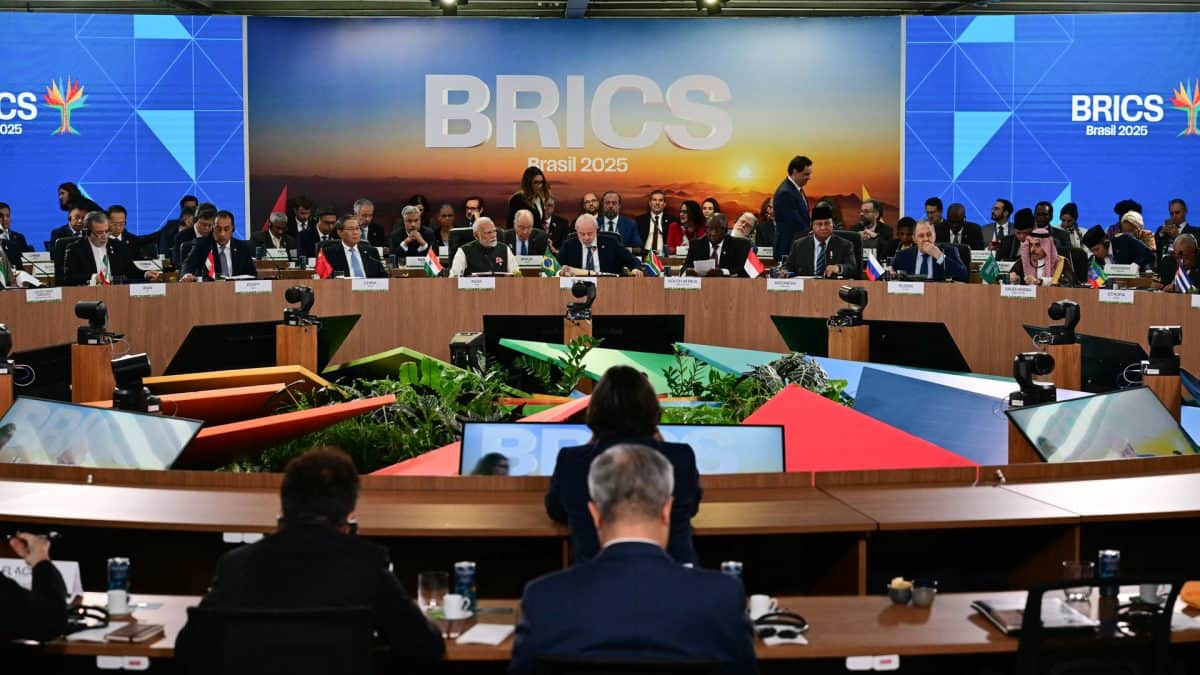
BRICS Focuses on Local-Currency Payments, Not a Common Currency
BRICS Leaders Eye Local-Currency Trade, Not Common Currency
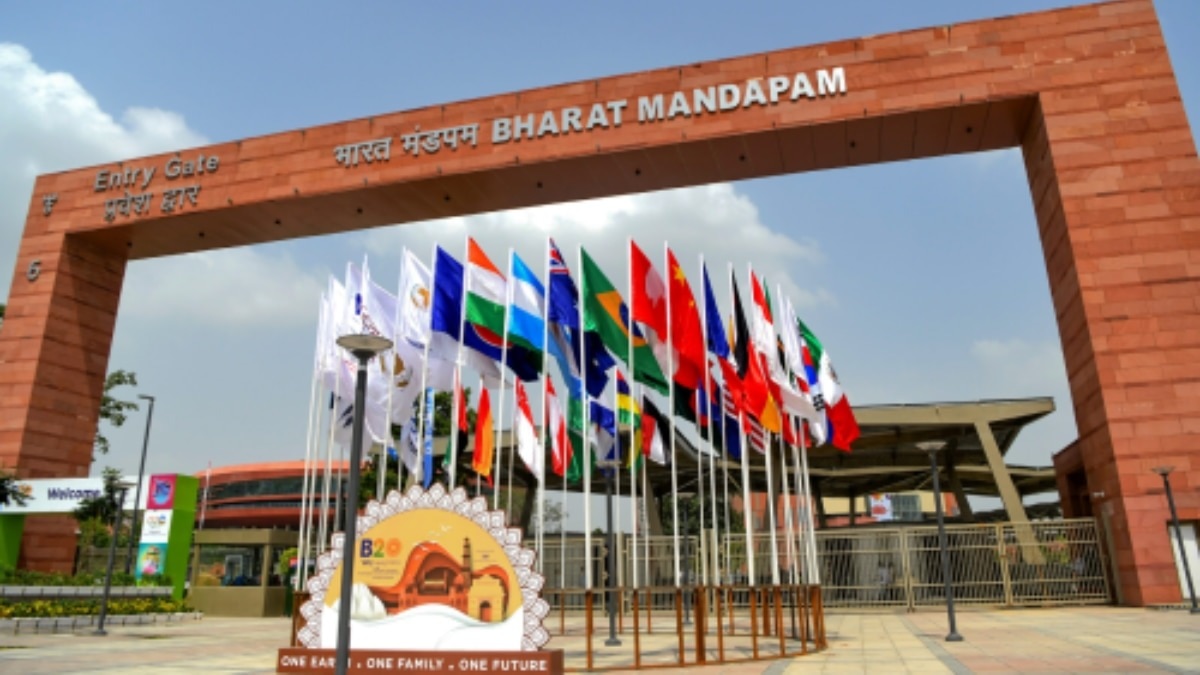
BRICS Summit to Focus on Payments, Trade and Market Access
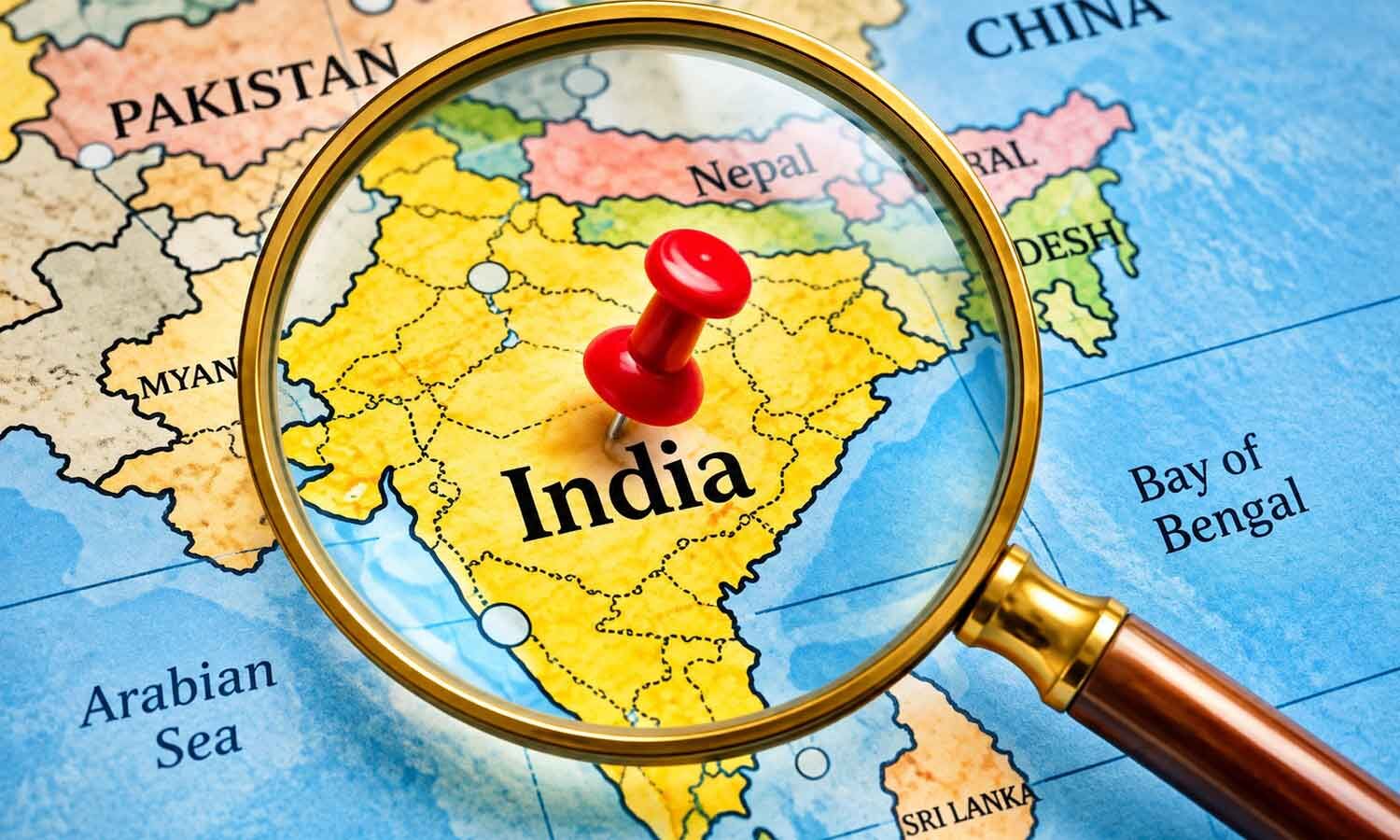
India’s New-Age Economy Poised to Reach $300 Billion

Navi UPI, IndusInd Bank Partner on New Payment Switch

NPCI Launches Tap & Pay and Unified My UPI Services
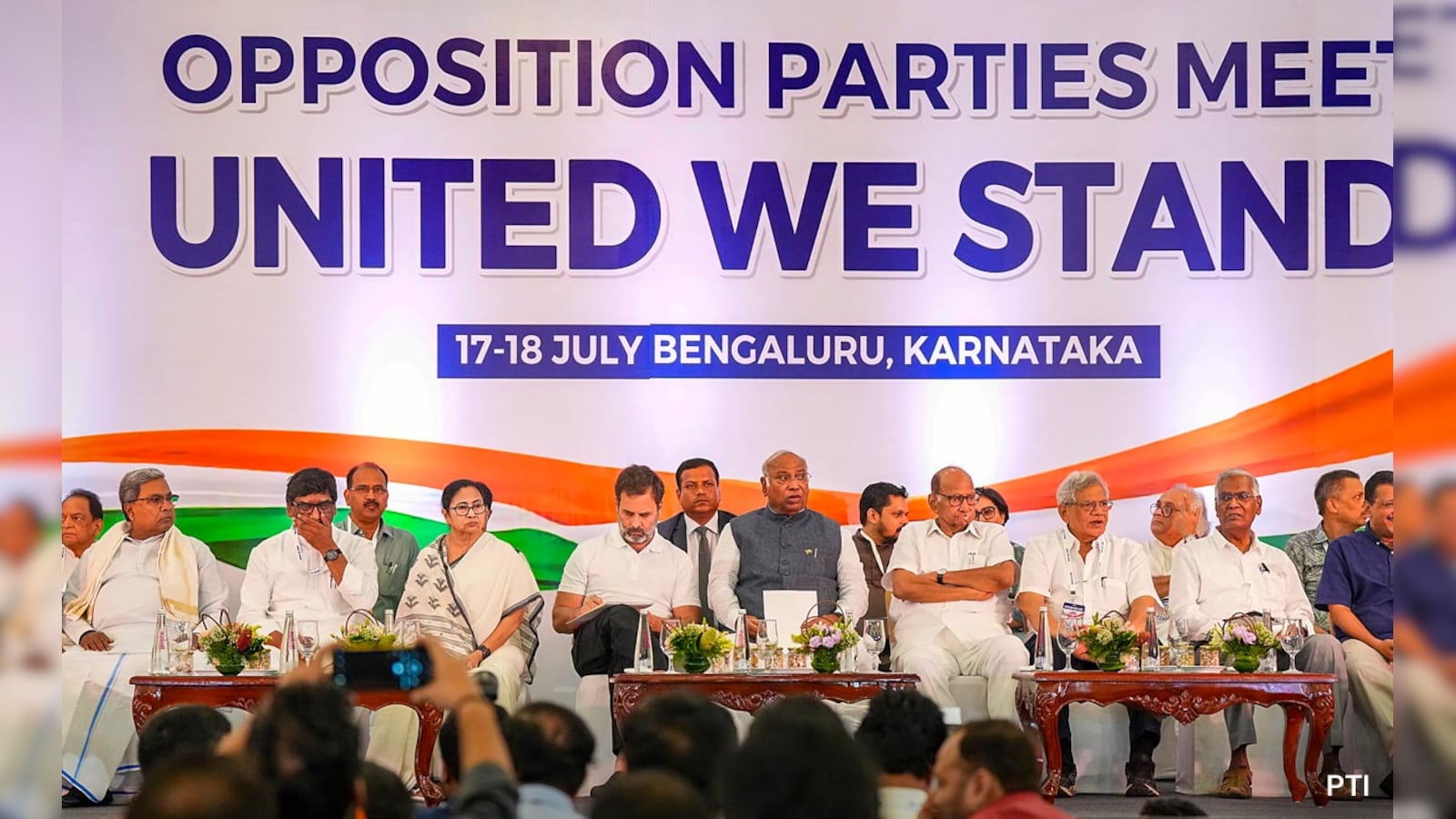
Modi’s ‘Naraaz Fufa’ Remark Sparks Debate Over Opposition