6 hrs ago
Oil, Inflation Pressure RBI as Rate Hike Risks Rise
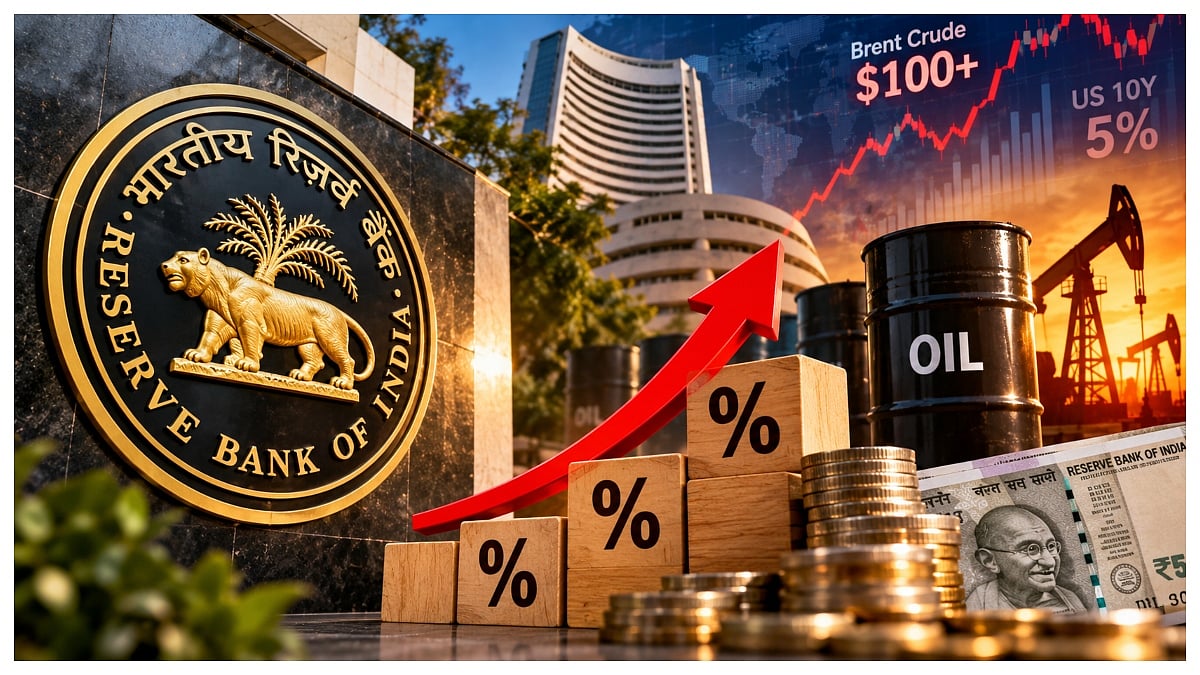
The Reserve Bank of India is deciding whether to keep interest rates unchanged.
Higher oil prices can make many things more expensive in India because the country imports crude oil.
Brent crude has gone above $100 a barrel.
Global borrowing costs are also rising, which can encourage investors to move money away from India.
These changes have weakened the rupee and pushed Indian bond yields higher.
A report from BNP Paribas says the RBI has less room to keep pausing rate increases.
India still has large foreign-exchange reserves that can help absorb shocks.
However, spending in cities and conditions in rural areas have started to weaken.
The RBI’s next policy decisions may therefore become more difficult.

Brent crude has risen above $100 per barrel, increasing pressure on India’s inflation outlook.
The Indian rupee has weakened nearly 1% in two weeks, while the 10-year government bond yield exceeded 7%.
BNP Paribas said tighter global conditions and foreign investor selling reduce the RBI’s flexibility to maintain its rate pause.
India’s foreign-exchange reserves are around $800 billion, including approximately $127 billion in FCNR flows.
Credit growth, automobile sales, employment and food-grain stocks remain supportive, but consumption and rural conditions are weakening.
- Who
- The Reserve Bank of India and BNP Paribas, with comments from BNP Paribas India Equity Research Head Kunal Vora.
- What
- India’s rate pause is facing pressure from higher oil prices, inflation, global bond yields and renewed foreign investor selling.
- Where
- India, amid pressures from global oil, bond and currency markets.
- When
- Conditions have deteriorated in recent weeks, ahead of the RBI’s upcoming policy decisions.
- Why
- Imported crude costs, tighter global monetary conditions, a weaker rupee and rising domestic yields could worsen India’s inflation and macroeconomic outlook.
Rate Hike Pressure
Resilience and Rate-Pause Case
Room to hold rates
Rate Hike Pressure
BNP Paribas says higher oil prices, persistent inflation, rising Indian bond yields and tighter global monetary conditions leave the RBI with less flexibility to keep rates unchanged.
Resilience and Rate-Pause Case
India has substantial foreign-exchange reserves, strong credit growth, improving employment data and sizeable food-grain stocks that could help absorb external pressure.
Economic outlook
Rate Hike Pressure
Consumption indicators are moderating amid weaker urban wages, higher inflation and deteriorating business confidence; rural areas face a monsoon deficit, elevated food inflation and lower crop sowing.
Resilience and Rate-Pause Case
Automobile sales, credit growth, employment data and food-grain stocks remain supportive, indicating that parts of the macroeconomic picture are still resilient.
External funding risks
Rate Hike Pressure
Higher developed-market rates and resumed foreign institutional investor selling could increase pressure on India’s currency and financial markets; FCNR flows may reverse over three to five years.
Resilience and Rate-Pause Case
Foreign-exchange reserves of around $800 billion and approximately $127 billion in FCNR flows provide near-term support against external shocks.
Key facts
- Brent crude
- Above $100 per barrel
- Indian rupee
- Depreciated nearly 1% over the past two weeks
- India 10-year government bond yield
- Breached 7%
- Foreign-exchange reserves
- Around $800 billion
- FCNR flows
- Approximately $127 billion
- Global yield pressure
- The US 10-year Treasury yield is moving toward 5%
- Domestic resilience
- Credit growth, automobile sales, employment data and food-grain stocks remain supportive
Sources
Related news

RBI Seen Raising Repo Rate Amid Inflation and Oil Risks
Rupee Falls Below 96 as Oil Prices Breach $107
Crude Tops $100 as RBI Rate-Hike Pressure Intensifies

Rupee stays near two-month high despite oil, yield pressures

RBI to Reassess Inflation, Growth Amid Crude Oil Rise

Fed Rate Hike Puts RBI October Decision in Focus

UBS Sees More Stock Gains Despite Oil, Rates and Debt
Why Switzerland Keeps Rates at Zero Despite Rising Inflation Risks
China Industrial Profit Growth Slows as Weak Demand Weighs