1 hr ago
Experts Debate What the 10-Second Samosa Test Reveals
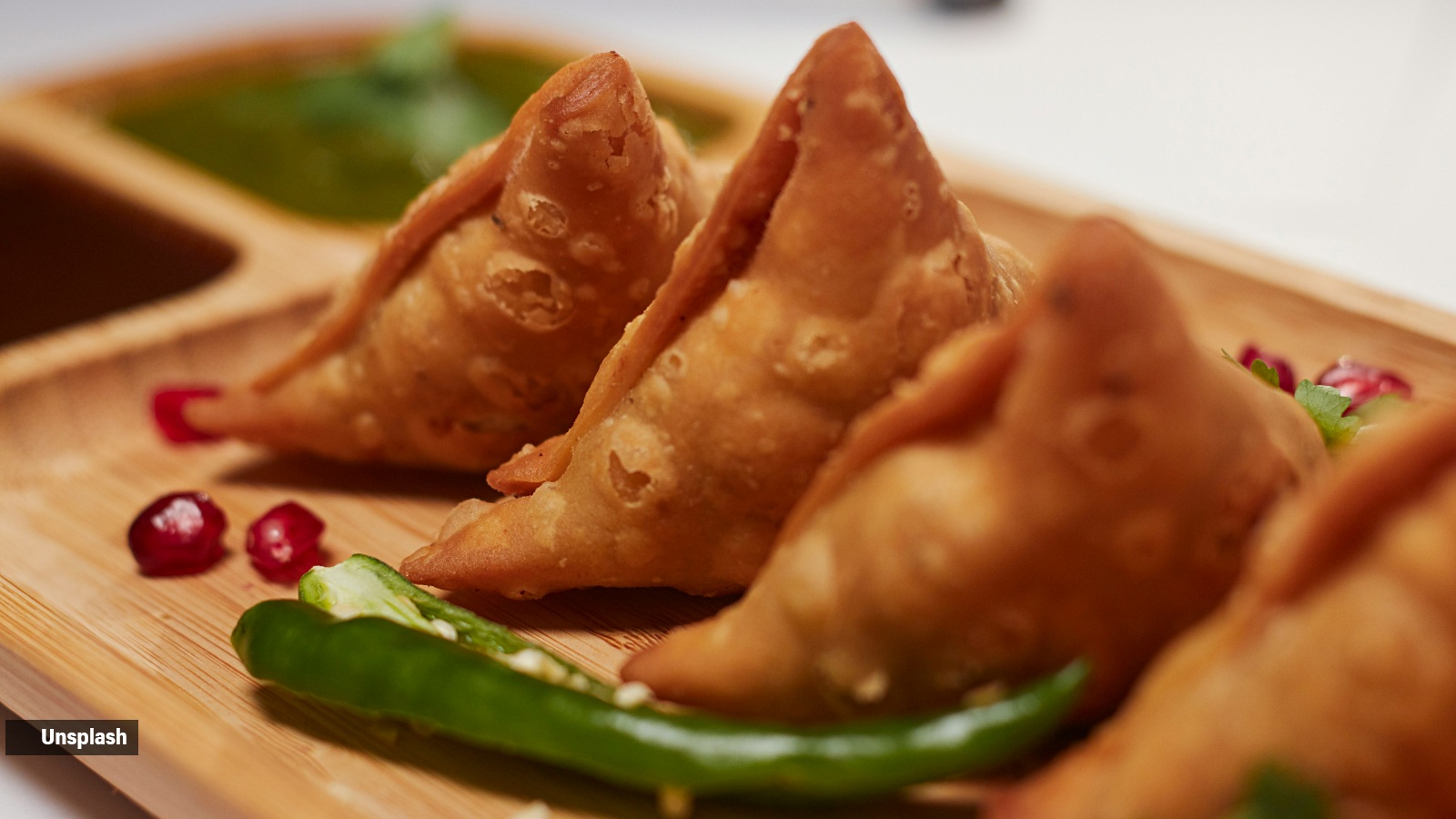
Dr Sudhir Kumar shared a challenge called the “10-Second Samosa Test.”
It asks people to walk away from a tempting samosa nine times out of ten.
The challenge is meant to show how people handle food temptations.
Experts say stopping to ask whether you are really hungry can be helpful.
However, one snack decision cannot show whether someone is healthy or disciplined.
Hunger, stress, boredom and seeing other people eat can make resisting food harder.
Planning meals and keeping healthier snacks nearby may make better choices easier.
Eating many fried foods regularly can increase health risks.
Experts say a person’s usual eating habits over a long time matter more than whether they occasionally eat a samosa.

Neurologist Dr Sudhir Kumar’s test asks people to resist a samosa after ordering sugar-free coffee.
The test encourages pausing to distinguish genuine hunger from cravings, habits or environmental triggers.
Experts say passing or failing once cannot define someone’s health or overall self-control.
Hunger, stress, planning, availability, social situations and boredom can influence food choices.
Regularly limiting deep-fried foods may support metabolic health, while long-term eating patterns matter most.
- Who
- Neurologist Dr Sudhir Kumar and nutrition and medical experts including Richa Sharma, Dr Naveen Kumar Dhagudu and Dr Dilip Gude.
- What
- A viral “10-Second Samosa Test” suggests that resisting a tempting samosa can indicate self-control and may relate to healthier habits.
- Where
- The discussion appeared on X and included comments from experts associated with hospitals in India, including Hyderabad.
- When
- The test became a topic of discussion after Dr Sudhir Kumar shared it on X; no specific date is provided.
- Why
- The test aims to encourage people to pause before eating and limit unnecessary consumption of fried foods.
The Test Highlights Useful Self-Control
One Snack Decision Is Not Definitive
Meaning of resisting a samosa
The Test Highlights Useful Self-Control
Dr Sudhir Kumar and Dr Dilip Gude argue that frequently avoiding tempting fried foods can reflect better self-control and may be associated with better metabolic health.
One Snack Decision Is Not Definitive
Richa Sharma and Dr Naveen Kumar Dhagudu say passing or failing the test does not by itself define health or discipline because many circumstances affect food choices.
How to improve eating choices
The Test Highlights Useful Self-Control
The test’s pause can help people distinguish real hunger from cravings and avoid unnecessary fried snacks.
One Snack Decision Is Not Definitive
Relying only on willpower is limited; planning meals and preparing healthier snacks can make good choices easier, especially when people are hungry or stressed.
Role of occasional samosas
The Test Highlights Useful Self-Control
Avoiding fried foods more often may reduce exposure to trans fats and other risks associated with frequent consumption.
One Snack Decision Is Not Definitive
An occasional samosa can fit into a balanced lifestyle when a person generally eats nutritious foods and stays active; foods should not be labeled entirely good or bad.
Key facts
- Test action
- Order a sugar-free coffee, decline a tempting samosa and walk away.
- Suggested benchmark
- Dr Sudhir Kumar says resisting the temptation nine out of ten times indicates exceptional self-control.
- Key caution
- Experts say one food choice cannot define a person’s health or discipline.
- Influencing factors
- Hunger, stress, planning, food availability, social situations and boredom can affect the decision.
- Healthier strategy
- Experts recommend planning meals and keeping options such as roasted chana, fruit, boiled eggs or peanuts available.
- Fried-food concern
- Regularly eating deep-fried foods, especially those cooked repeatedly in the same oil, may contribute to metabolic and cardiovascular risks.
- Long-term measure
- Overall eating patterns and physical activity matter more than an occasional samosa.
Quotes
Dr Naveen Kumar Dhagudu
Senior consultant psychiatrist at Yashoda Hospitals, Hyderabad
“If you are walking away 9 out of 10 times from a tempting food like samosa, then your metabolic health is definitely going to be better… because when you avoid fried foods that are high in trans fats, along with the risks of contamination, stomach upset, dysentery, and diarrhoea, you are healthier.”
 indianexpress.com
“If you didn’t prepare, your subconscious mind slowly wears down to control your conscious willpower.”
indianexpress.com
Richa Sharma
Consultant dietitian at Kailash Deepak Hospital
“Taking a few seconds to ask yourself, ‘Am I truly hungry or am I just craving this?’ is a healthy habit that can improve your relationship with food over time.”
indianexpress.com
Sources
Related news

Suriya Shares Mammootty’s Advice on Portions, Sleep and Fitness

India’s Humble Samosa Takes on a Gourmet Makeover

Sonam Bajwa Explains Delayed Breakfast After Nighttime Carbs
Eight Everyday Habits That May Affect Gut Health

Why Television Watching Can Lead to More Snacking
When Masala Dosa Is Healthy or Becomes Junk Food

Yashoda Hospitals Successfully Treats Complex Persistent Pacemaker Infection

Experts Urge Rehabilitation Beyond Painkillers for Pain Management

Doctors Treat Rare Blood Disorder, Save Pregnant Woman and Baby

MP DK Aruna Visits Hospitalised BJP Leader’s Mother