

3 weeks ago
Rajya Sabha passes Supreme Court judges Bill as Money Bill
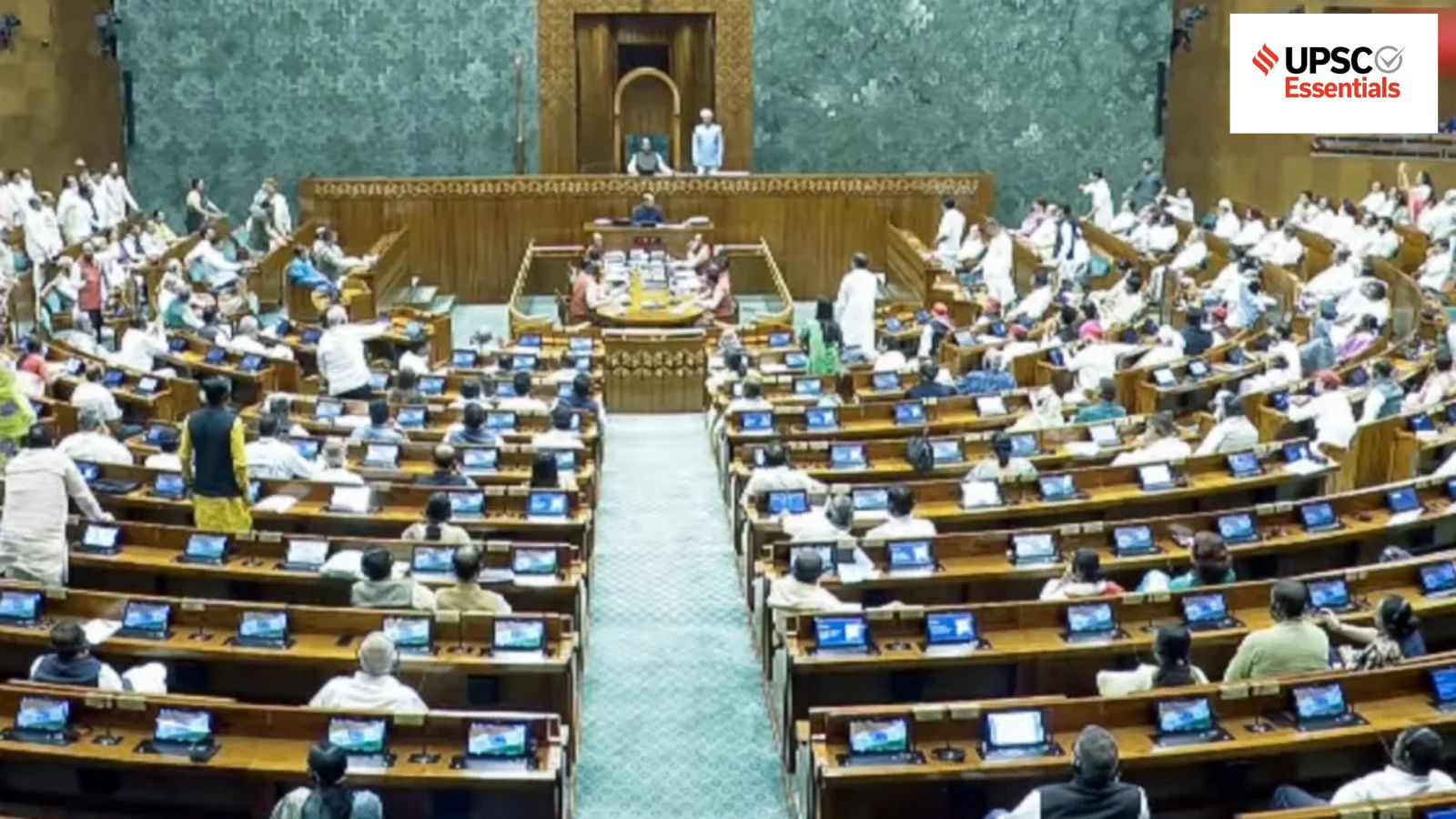
In India, the Parliament is the place where laws are made.
The Supreme Court is the highest court that helps settle the country's biggest disputes.
The Parliament passed a bill to increase the number of Supreme Court judges from 34 to 38.
The bill was passed using a special, faster route called a Money Bill.
That route leaves the upper house, the Rajya Sabha, with little power to change the law.
Some lawmakers disagreed and walked out of the chamber.
A judge's dissenting opinion in 2018 had even called this route "a fraud on the Constitution."
This news appeared inside a weekly quiz that prepares students for the UPSC exam, which is a test for government jobs in India.
The quiz also asked about who is a citizen, old rules about books, and how lawmakers complain about the government.

The Rajya Sabha passed the Supreme Court (Number of Judges) Amendment Bill, 2026, increasing the sanctioned strength of Supreme Court judges from 34 to 38, including the Chief Justice of India.
The Bill, which cleared Lok Sabha on Monday, was passed as a Money Bill — a route also used in 2019, when Supreme Court strength was raised to 34.
A 2018 dissenting opinion in a Supreme Court ruling had described the Money Bill route as a "fraud on the Constitution."
Members of the INDIA bloc staged a walkout from Rajya Sabha on Day 13 of the Monsoon Session during the debate on the judge-count Bill.
The week's UPSC Polity quiz also covered Constitution Benches under Article 145(3), Foreigners' Tribunals, the Hicklin obscenity test and the adjournment motion.
- Who
- The Rajya Sabha, which passed the Bill; the Lok Sabha, which cleared it earlier; INDIA bloc members, who walked out; and the Supreme Court of India, whose judge strength is being raised.
- What
- The Supreme Court (Number of Judges) Amendment Bill, 2026, which raises the sanctioned strength of Supreme Court judges from 34 to 38 and was passed as a Money Bill.
- Where
- Rajya Sabha and Lok Sabha of India's Parliament; the article also references Noida and Delhi's Jantar Mantar in a related FIR.
- When
- Day 13 of the Monsoon Session; the Bill cleared Lok Sabha on a Monday (the article gives no exact date, with related events dating to July 2026).
- Why
- To increase the sanctioned strength of Supreme Court judges from 34 to 38 — the Bill's Statement of Objects and Reasons refers to a substantial backlog of cases.
Critics of the Money Bill route
Proponents of the Money Bill route
Passing the judges' Bill as a Money Bill
Critics of the Money Bill route
A 2018 dissenting opinion in a Supreme Court ruling described the Money Bill route as a "fraud on the Constitution," and a Money Bill cannot be amended, rejected or delayed by the Rajya Sabha.
Proponents of the Money Bill route
The Money Bill route was previously used in 2019, when Supreme Court strength was raised to 34, and the Bill was cleared by the Lok Sabha and passed by the Rajya Sabha.
Obscenity standard and free speech
Critics of the Money Bill route
The Hicklin test has been criticised for potentially imposing a restrictive standard on freedom of expression under Article 19(1)(a).
Proponents of the Money Bill route
In the 1965 ruling Ranjit D. Udeshi v. State of Maharashtra, the Supreme Court upheld the ban on Lady Chatterley's Lover and the constitutionality of Section 292 of the IPC, which allows the "sale of obscene books."
Key facts
- Bill
- Supreme Court (Number of Judges) Amendment Bill, 2026
- Judge strength
- Increased from 34 to 38, including the Chief Justice of India
- Passage route
- Money Bill; same route used in 2019 when strength was raised to 34
- 2018 dissent
- A dissenting opinion described the Money Bill route as a "fraud on the Constitution"
- Walkout
- INDIA bloc members walked out of Rajya Sabha on Day 13 of the Monsoon Session
- Related FIR
- Zero FIR by Noida Police on July 29 invoking BNS Sections 352, 353(1) and 356(1) over remarks about PM Modi
- Hicklin test
- 1868 English obscenity rule, upheld in Ranjit D. Udeshi v. State of Maharashtra (1965)
- Quiz
- UPSC Prelims 2027 Polity Quiz (Week 175)
Sources
Related news
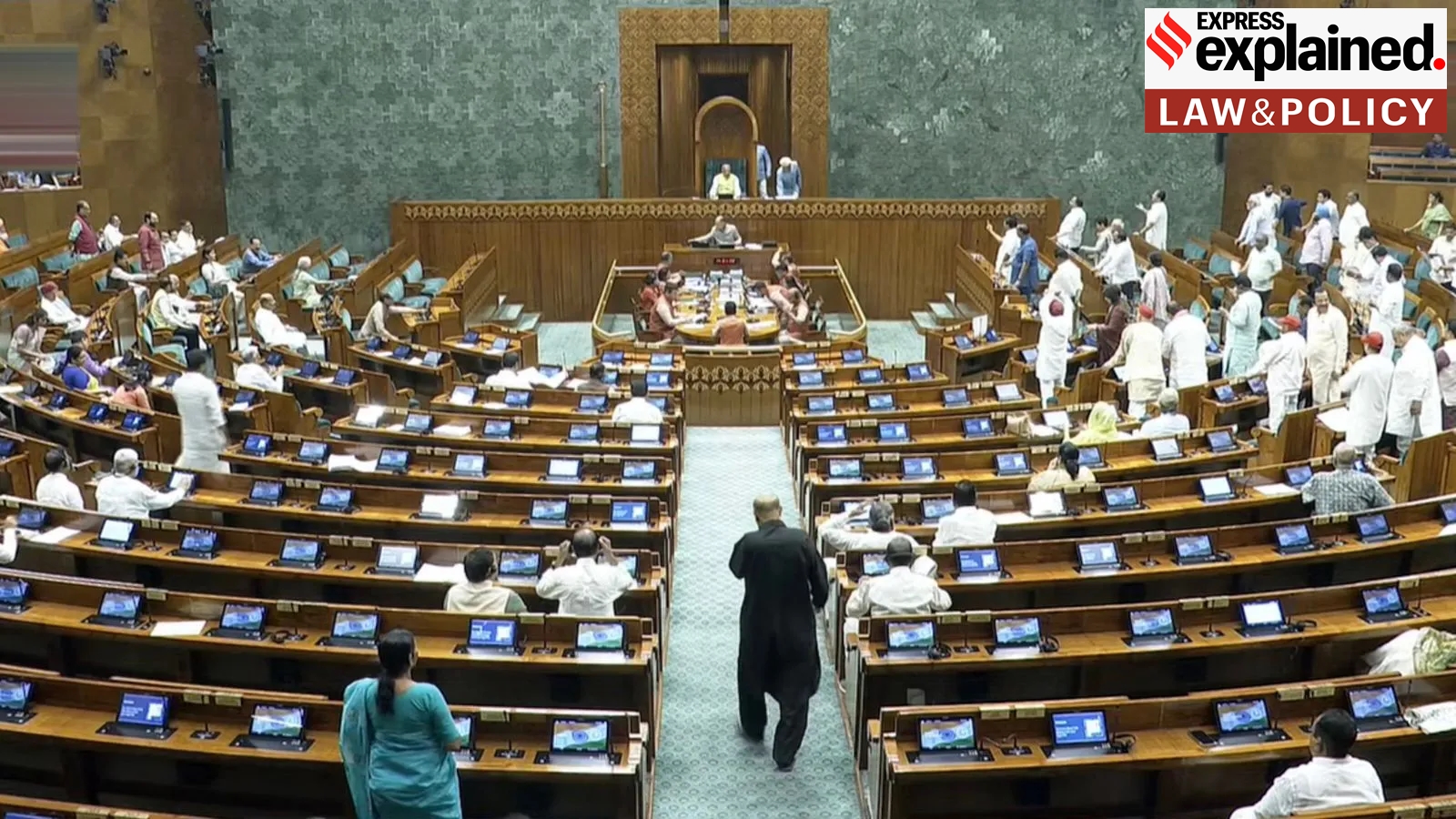
Rajya Sabha passes Bill to raise Supreme Court judge strength
UPSC Mains 2026 Revision: Top 15 Polity Topics Aspirants Need
Money Bills, Polymer Banknotes and River Sedimentation: India's Current Affairs

Parliament Passed 12 Monsoon Session Bills Amid Limited Debate

UPSC Key: Tribunals bill, alcohol policy, Mecca Agreement and more
Indian Courts and Officials Face Detention, Speech Controversies

Sharma and Malik share halfway lead at Telangana Golconda Masters

Films Raise Awareness of Violence but Cannot End It
Teen Allegedly Gangraped on Moving Delhi Bus; Two Arrested
Allahabad High Court Quashes NSA Detention in Noida Protest Case
