

2 hrs ago
Films Raise Awareness of Violence but Cannot End It
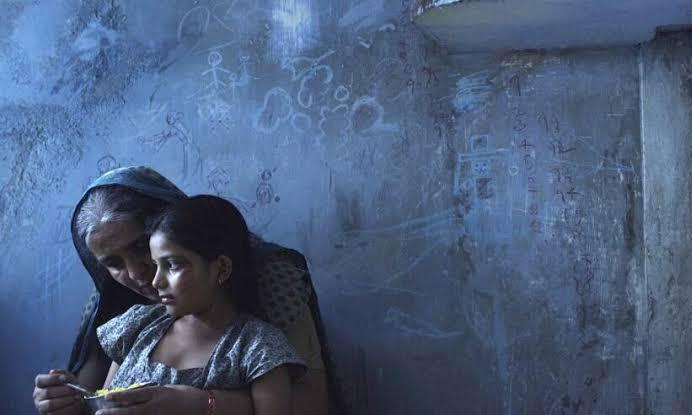
Some movies talk about violence against women and children.
They can help people understand how victims feel.
They can also start important conversations in families and society.
But Raveena Tandon and Khushbu Sundar say movies have not stopped these crimes.
Other filmmakers and actors believe movies can slowly change attitudes.
They say films can show the problem, but cannot fix it alone.
Real change also needs better education, respectful behavior, responsible policing and quick justice.
Everyone must help make society safer, not just filmmakers.

Raveena Tandon and Khushbu Sundar argue that films have not changed criminal mindsets or stopped violence against women.
Films including Kahaani 2, Pink and Mardaani have addressed child abuse, consent, trafficking and law-enforcement failures.
Kanika Dhillon, Shabana Azmi and others describe cinema as a catalyst that can build empathy and start conversations.
Pooja Bedi and Nandini Reddy say emotionally powerful films can influence attitudes and encourage people to act.
Several contributors stress that lasting change requires education, consent, better parenting, accountable policing and swift justice.
- Who
- Actors, filmmakers and activists including Raveena Tandon, Khushbu Sundar, Kanika Dhillon, Shabana Azmi, Pooja Bedi, Dia Mirza, Pulkit, Nandini Reddy and Taapsee Pannu.
- What
- They debate whether films addressing sexual violence can change public attitudes and reduce crimes against women and children.
- Where
- The discussion concerns India, including references to the Nirbhaya incident in the same city and a Noida case.
- When
- The discussion refers to the 2012 Nirbhaya incident and says a similar incident occurred 12 years later; no publication date is provided.
- Why
- Recurring sexual violence has prompted debate over cinema's ability to create awareness versus the need for action by government, civil society and law enforcement.
Cinema Can Catalyze Change
Cinema Cannot Solve the Problem
Influencing attitudes
Cinema Can Catalyze Change
Pooja Bedi, Kanika Dhillon, Dia Mirza and Nandini Reddy say powerful stories can create empathy, influence behavior and inspire action.
Cinema Cannot Solve the Problem
Raveena Tandon and Khushbu Sundar argue that films have not changed criminal mindsets, as everyday rapes and assaults continue.
Starting conversations
Cinema Can Catalyze Change
Supporters say films can encourage discussions among parents, children, friends and families and help society confront uncomfortable truths.
Cinema Cannot Solve the Problem
Skeptics say awareness and public discussion often fade after an incident, with attention returning only when another tragedy occurs.
What change requires
Cinema Can Catalyze Change
Cinema can help push safety issues into focus and encourage better safety protocols and action.
Cinema Cannot Solve the Problem
The contributors who stress cinema's limits say lasting change depends on government and civil-society cooperation, education, consent, respectful parenting, accountable policing and swift justice.
Key facts
- Central debate
- Whether films can produce meaningful change or mainly create temporary awareness and conversation.
- Nirbhaya reference
- Raveena Tandon says the Nirbhaya incident occurred in 2012 and that a similar incident happened 12 years later in the same city.
- Films cited
- Kahaani 2, Pink, Mardaani and Bhakshak are cited as films addressing abuse, consent, trafficking or sexual violence.
- Proposed wider solutions
- Contributors mention parenting, education, teaching consent and respect, accountable policing and swift justice.
- Cinema's potential role
- Films can build empathy, sensitise audiences, inform people, provoke conversations and inspire action.
- Cinema's limitation
- Several contributors say films alone cannot eradicate sexual violence or provide a complete solution.
Quotes

Raveena Tandon
Actress discussing cinema’s limited impact on violence against women
“Good films can create awareness, provoke conversations and force society to confront uncomfortable truths.”
 deccanchronicle.com
“Frankly, I don’t think there is a single solution.”
deccanchronicle.com
Sources
Related news

If We Don't Vocalise Our Truths, Who Will?: Dia Mirza

Mixed Response to Toxic Rekindles Debate Over Women Filmmakers

Chinmayi Sripaada Praises Jana Nayagan’s Child Safety Message

Taapsee Pannu Reveals Low Budget Challenge Behind Gandhari

Yash's Toxic Draws Political Criticism Over Women's Portrayal
