1 week ago
India’s Press Protests Have Repeatedly Forced Government Retreats
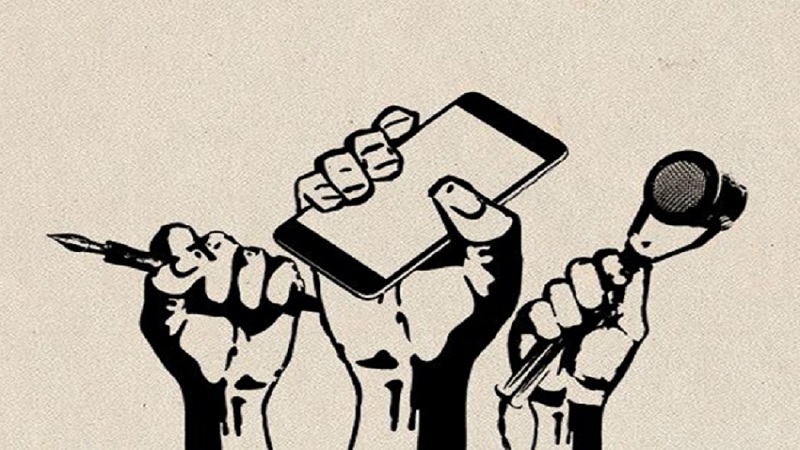
India’s Constitution protects people’s right to speak and share information.
Newspapers and journalists use this right to question the government.
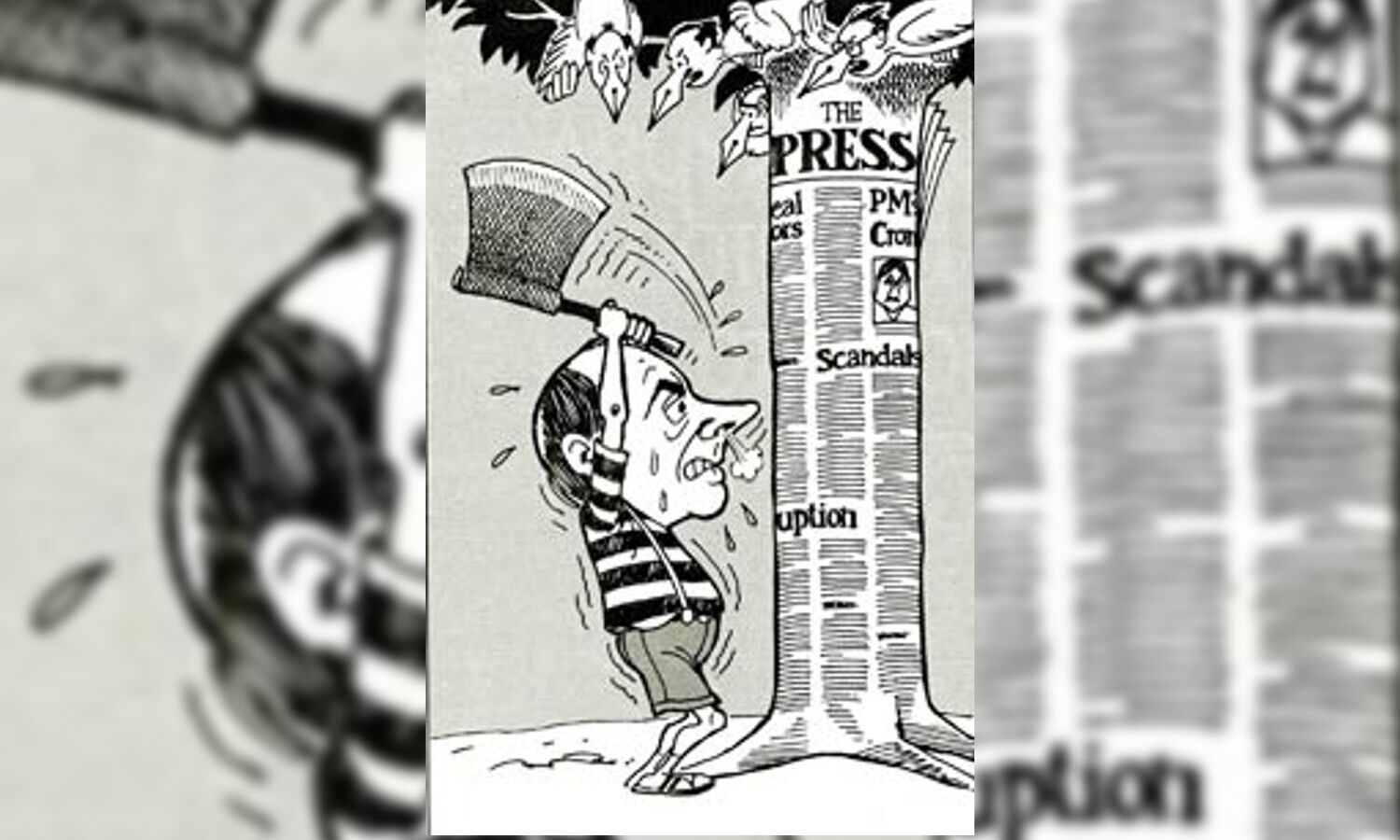
In 1988, the government proposed a Defamation Bill that journalists feared would punish investigative reporting.
Journalists and many civil society groups protested across the country.
The government eventually withdrew the bill.
In 2018, another government order proposed suspending journalists accused of publishing fake news while complaints were investigated.
Strong criticism led the Prime Minister’s Office to cancel that order within a day.
Today, journalists also worry about misinformation, technology, legal pressure, and declining public trust.
The central message is that governments should tolerate criticism while journalists must report accurately and independently.

India’s press freedom is constitutionally protected through Article 19(1)(a), subject to Article 19(2) restrictions.
The Rajiv Gandhi government withdrew its 1988 Defamation Bill after nationwide protests, strikes, and media boycotts.
The 2018 accreditation circular proposed suspensions for journalists accused of publishing “fake news” before the complaints were resolved.
The Prime Minister’s Office directed the government to withdraw the 2018 circular within 24 hours after media and opposition backlash.
A 2026 Hyderabad conclave highlighted declining public trust, legal pressure, artificial intelligence, and the need for independent journalism.
- Who
- Indian journalists, media organizations, civil society groups, political leaders, and successive central governments, including the Rajiv Gandhi government and the National Democratic Alliance government.
- What
- Press protests and public criticism led governments to withdraw or reverse restrictive measures, while journalists debated how to protect credibility and address misinformation.
- Where
- Across India, including nationwide district-town protests and the 2026 conclave in Hyderabad.
- When
- The major episodes discussed occurred during the 1975–77 Emergency, in 1988, in April 2018, and at a Federation of Press Clubs National Conclave in 2026.
- Why
- The measures were opposed because they were seen as threatening press freedom, enabling executive control, or punishing journalists before allegations were resolved.
Press freedom advocates
Government and regulatory proponents
State regulation of journalism
Press freedom advocates
Media organizations and critics argued that the government should not control the press and that complaints should remain with independent or self-regulatory bodies such as the Press Council of India.
Government and regulatory proponents
The 2018 government position sought to address alleged fake news through accreditation rules and referrals to relevant media bodies; the Bharatiya Janata Party said the rapid withdrawal reinforced its commitment to press freedom.
Meaning of fake news
Press freedom advocates
Critics objected that the 2018 circular did not define “fake news” and could punish journalists before allegations were proven. Some argued that political parties, as well as media outlets, create misleading information.
Government and regulatory proponents
Supporters of action against misinformation emphasized the spread of false political, health, weather, and communal claims, and the possible risks of tension and violence.
Press accountability
Press freedom advocates
Journalists and media advocates stressed that the press must be free to investigate, criticize, and question those in power without executive intimidation.
Government and regulatory proponents
Speakers at the Hyderabad conclave also said journalists and media houses must address sensationalism, inadequate verification, and excessive proximity to corporate or political interests to restore public trust.
Key facts
- Constitutional basis
- Press freedom is treated as part of the freedom of speech and expression guaranteed by Article 19(1)(a) of the Constitution of India.
- 1988 Defamation Bill
- Introduced by the Rajiv Gandhi government in September 1988 and later withdrawn unconditionally after nationwide resistance.
- 2018 accreditation proposal
- The proposal allowed accreditation to be suspended during a 15-day investigation into alleged fake news.
- Proposed penalties
- The circular proposed six-month suspension for a first violation, one year for a second, and permanent cancellation for a third.
- 2018 reversal
- The Prime Minister’s Office directed withdrawal of the press release within 24 hours of its publication.
- Current concerns
- Speakers in Hyderabad identified declining trust, sensationalism, legal harassment, raids, device seizures, artificial intelligence, and political or corporate influence as major concerns.
Quotes
N. Bhaskars Rao
Head of the Center of Media Studies in New Delhi
“The government has no mandate to control the press. The media were also worried about growing incidents of fake news, but the Press Council is the right platform to deal with complaints.”
 thehansindia.com
“The reversal has started. Somewhat bad press is coming up. This is an overreaction to that.”
thehansindia.com

Mallu Bhatti Vikramarka
Telangana Deputy Chief Minister
“A newspaper must have a market. But journalism must have a purpose. A good reporter is sometimes the best early-warning system we have. Speak freely. Question freely. And let those in power have the courage to listen.”
thehansindia.com
Sources
Related news
Press Bodies Condemn Kolkata FIR Over ‘Saffron Hooliganism’ Reports
How Shrinking Freedom of Expression Threatens India’s Democracy

Justice Joseph Warns India’s Media Ownership Threatens Democracy

Readers Seek Safeguards for Media, Courts, Finances and Elephants
Why Indians Must Protect and Expand Right to Peaceful Protests

India’s Digital Blocking Orders Raise Fresh Free Expression Concerns
Telangana Government Marks 1,000 Days With Welfare Push
Telangana Teams Up With Monash, IIT Hyderabad on Critical Minerals
Telangana Government Pledges Funds for Brahmin Welfare Programs
Telangana Employees Protest Delayed Pay, Health Benefits and Allowances
Telangana Plans ANPR Cameras, AI for Smarter Transport Surveillance