1 week ago
India’s Digital Blocking Orders Raise Fresh Free Expression Concerns
The Indian government reportedly ordered many online posts and accounts to be blocked.
These orders affected Instagram, Facebook and YouTube.
Some blocked material was said to include harmful content, but some also involved journalism, satire and criticism of the government.
The editorial says the government should be able to stop content that breaks the law.
However, it argues that political criticism should not be removed just because it is inconvenient.
Many orders were sent through a government portal that gives platforms very little time to respond.
The government did not answer questions about the orders in Parliament, according to the editorial.
The writer worries that removing protest and critical content could make young people distrust the government and online platforms.

The Centre issued nearly 1.95 lakh blocking orders to Instagram, Facebook and YouTube between March and July, averaging about 1,275 orders daily.
The restricted material reportedly included journalism, satire, political criticism, election commentary and support for student protests, as well as deepfakes, incitement and fraud.
The editorial argues that criticism of government policy or conduct should not be treated as unlawful merely because it creates political difficulty.
Some directions were reportedly routed through the Sahyog portal under Section 79(3)(b) of the Information Technology Act, with platforms given three hours to respond.
The editorial says the government’s silence in Parliament and its contrasting use of social media could increase distrust among young Indians.
- Who
- The Centre and the Narendra Modi government, along with Instagram, Facebook and YouTube; the affected online speakers included journalists, critics and student protesters.
- What
- Nearly 1.95 lakh blocking orders were issued, reportedly covering posts and accounts across major digital platforms.
- Where
- India’s digital space, including Instagram, Facebook and YouTube.
- When
- Between March and July this year; the articles do not specify the year.
- Why
- The article says some restrictions targeted deepfakes, incitement and fraud, but argues that other removals may have suppressed lawful political expression and protest-related content.
Free-expression concerns
Content-enforcement rationale
Blocking political content
Free-expression concerns
The editorial argues that journalism, satire, political criticism, election commentary and support for student protests should not become unlawful simply because they create political difficulty.
Content-enforcement rationale
The article acknowledges that the State may legitimately act against digital content that crosses a defined legal threshold, including deepfakes, incitement and fraud.
Use of the Sahyog portal
Free-expression concerns
The editorial says routing notices through Sahyog under Section 79(3)(b) may bypass safeguards associated with Section 69A and gives platforms only three hours to assess legality and proportionality.
Content-enforcement rationale
The portal is presented as a mechanism available to numerous public authorities for issuing notices, although the article does not provide a government defense of its use.
Government transparency
Free-expression concerns
The editorial criticizes the Narendra Modi government for not answering parliamentary questions about the orders and warns that unexplained removals could increase distrust among young people.
Content-enforcement rationale
The article notes that the Centre increasingly uses posts, reels and direct communication to reach younger voters, indicating that it continues to rely on social media for official communication.
Key facts
- Reported blocking orders
- Nearly 1.95 lakh
- Period covered
- March to July this year
- Average daily orders
- About 1,275
- Reported frequency
- One order every 68 seconds
- Platforms named
- Instagram, Facebook and YouTube
- Portal cited
- Sahyog
- Legal provisions mentioned
- Section 79(3)(b) and Section 69A of the Information Technology Act
Sources
Related news
Government sent social media blocking orders every 68 seconds

Kharge accuses Modi government of brazen attack on democratic rights
Jantar Mantar Protests Show 'Wrong Model' for Internet Governance
Modi Government Faces Questions Over Social Media Content Crackdown
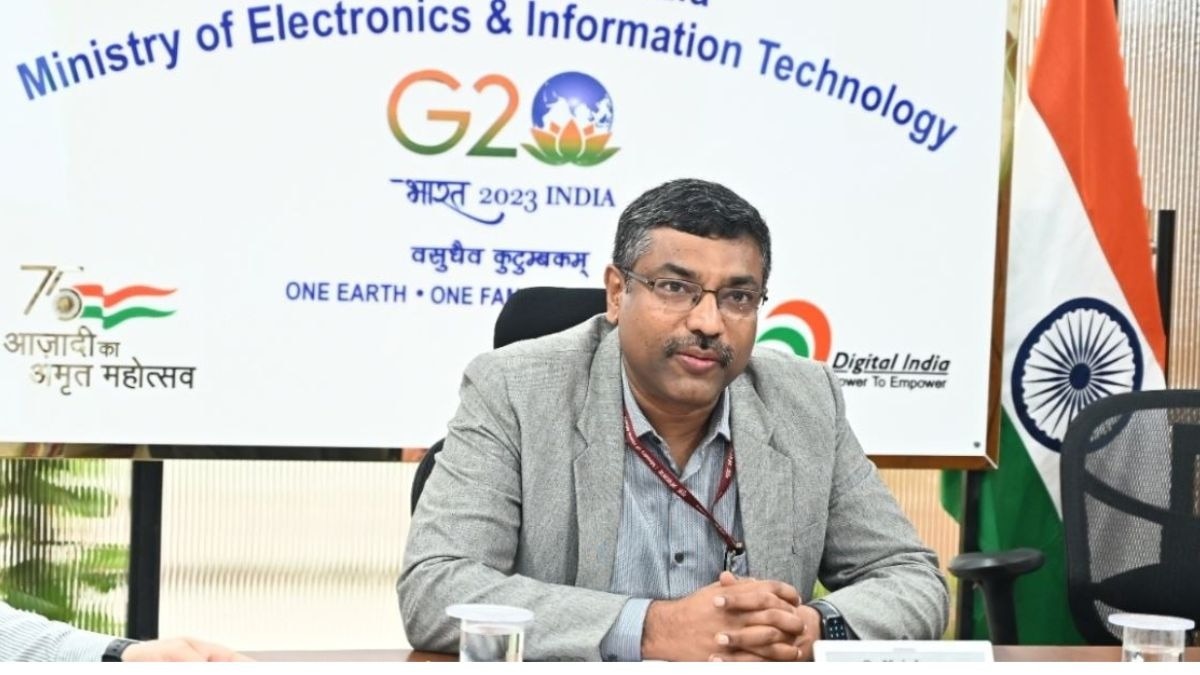
India's Social Media Blocking Framework Explained by MeitY Secretary
India Requests 2.44 Lakh Social Media Takedowns During March-July
Pune Sugar Trader Loses Rs 3 Crore in Whale-Phishing Attack

Mumbai CA Targeted After Lost Phone, Photos Allegedly Morphed

Mumbai Police Book Two Over Provocative Clash Videos
Two Thane Seniors Lose Rs 15.73 Lakh in Voter Fraud

Two Men Arrested In Pune Cyber Fraud Bank Account Case