3 weeks ago
Why Indians Must Protect and Expand Right to Peaceful Protests

Some people in India wanted to hold a peaceful protest at a place called Jantar Mantar in Delhi.
The police did not give them a clear answer about whether they could protest.
A group then asked a court to help them get a decision.
During the hearing, a judge wondered why the city should be 'put to ransom' by protesters.
The judge said it was the government's call whether to keep Jantar Mantar as a protest spot.
A writer named Aakar Patel then explained why peaceful protest matters.
He said the Indian Constitution gives people the right to meet peacefully, but in real life they need police permission.
He believes that is not a real right to protest.
He also said laws that punish free speech make it hard for people to disagree with the government.
Patel wants people to protect their right to protest peacefully so their voices are heard.

The Delhi High Court, hearing a plea by the All India Dalit Christian Rights Protection Committee, asked why the city should be 'put to ransom' by protesters and whether Jantar Mantar should be shut down as a protest venue.
The court said it was the government's call whether protests should be allowed in Delhi, while the petitioner's advocate argued that peaceful democratic protests are a right.
Columnist Aakar Patel argues that India has effectively denied the constitutional right to 'assemble peaceably and without arms' under Article 19, since police permission and designated protest areas are required.
Patel says India has criminalised free speech through laws including sedition, criminal defamation and criminal contempt of court.
He urges Indians to protect and expand the right to peaceful assembly, noting that governments have previously given in to mobilisations over the farm laws, the NRC and exam paper leaks.
- Who
- The All India Dalit Christian Rights Protection Committee, the Delhi High Court, the Delhi police, the Indian government, and columnist Aakar Patel, chair of Amnesty International India.
- What
- A debate over whether peaceful protests should be allowed in Delhi, with the court questioning Jantar Mantar's use as a protest venue and a column arguing that India is denying the constitutional right to peaceful assembly.
- Where
- Delhi, India; the article also cites protest venues in Bengaluru and Mumbai.
- When
- The Delhi High Court exchange took place last week; the column's publication date is not stated.
- Why
- Because peaceful assembly is a fundamental right under Article 19, but the author argues the state treats protests as a nuisance and restricts them through permissions, designated zones and speech-related laws.
Protest and civil-liberty advocates
Government and court view
Protest venues
Protest and civil-liberty advocates
Peaceful protests at public venues such as Jantar Mantar are a fundamental right under Article 19 and the venue should not be shut down.
Government and court view
The city should not be 'put to ransom' by protesters, and whether Jantar Mantar remains a protest venue is the government's call.
Free speech restrictions
Protest and civil-liberty advocates
Sedition, criminal defamation and criminal contempt of court have criminalised dissent and are unreasonable restrictions on free speech.
Government and court view
The Constitution permits the State to impose 'reasonable restrictions' on such rights through law.
Key facts
- Author
- Aakar Patel, chair of Amnesty International India
- Court
- Delhi High Court
- Petitioner
- All India Dalit Christian Rights Protection Committee
- Protest venue in question
- Jantar Mantar, Delhi
- Constitutional guarantee
- Article 19 of the Indian Constitution
- Other designated protest sites
- Town Hall and Freedom Park (Bengaluru); Azad Maidan (Mumbai)
- Laws criticised
- Sedition, criminal defamation, criminal contempt of court
- Past mobilisations cited
- Farm laws, NRC, exam paper leaks
Sources
Related news
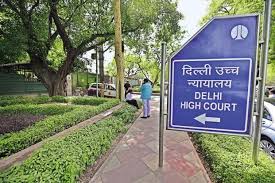
Delhi High Court questions keeping Jantar Mantar open for protests

India's Protest Rights: Lathis, Lockups, and Article 19 Questioned

Delhi High Court questions Jantar Mantar as protest site
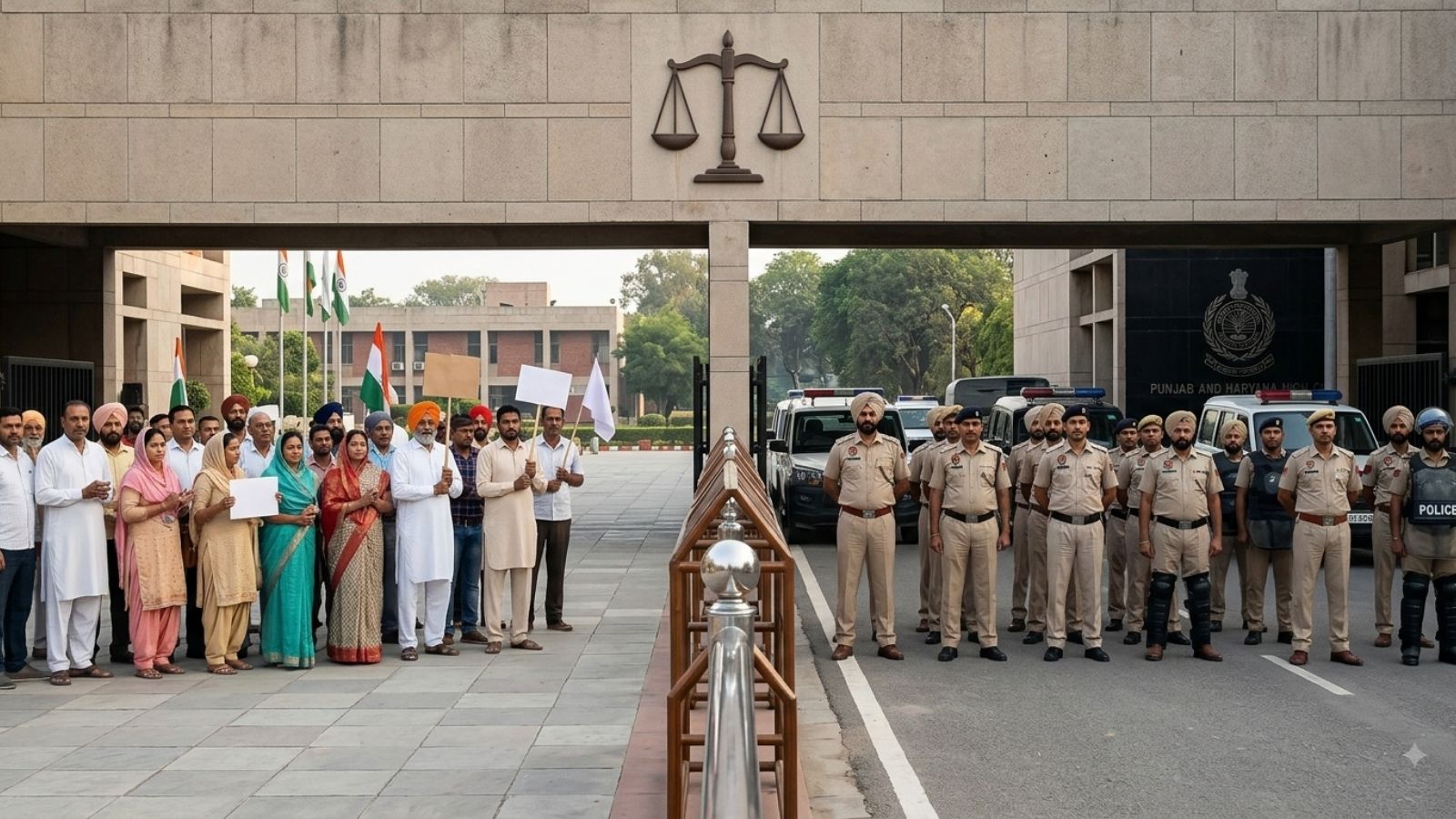
Punjab Haryana HC Upholds Peaceful Protest Right, Warns Against Violence

Delhi Police Denies Permission for Reservation Protest at Jantar Mantar

Delhi Tightens Jantar Mantar Security Over Unauthorised Reservation Protest
Court defers approver Pradosh’s statement in Renukaswamy murder case

Shivakumar Seeks NITI Aayog Funds, Backs Second Bengaluru Plan
Viswanathan Anand Says AI Has Transformed Modern Chess

Science Quiz Covers Vehicle Communication, Space, Medicine, Missiles and Time

Syrma SGS, Elemaster Launch High-Reliability Electronics Facility in Bengaluru