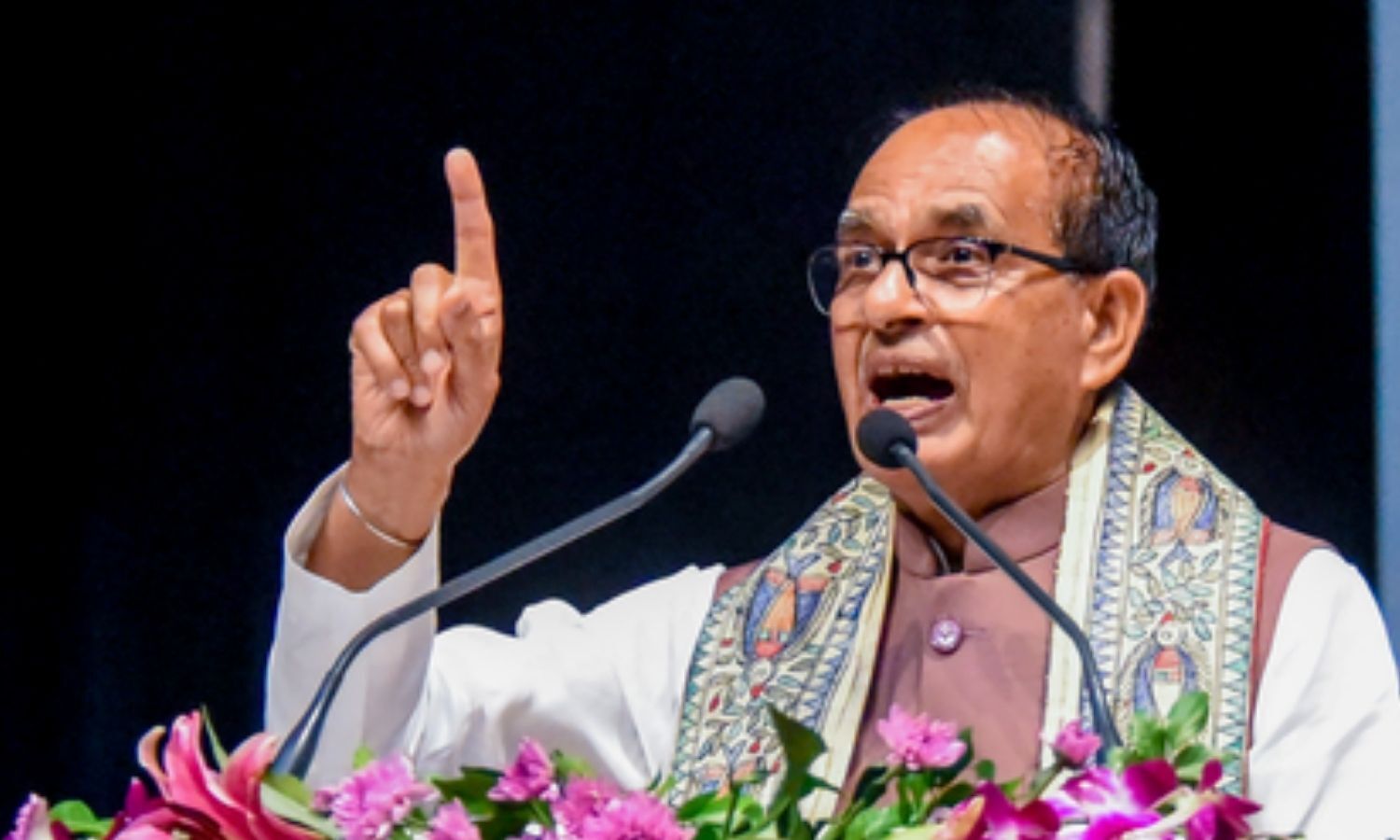
4 days ago
Caste Shapes India’s Water Crisis Amid Climate Stress

India is facing serious problems with water.
Climate change, weak monsoons and damaged water systems can make these problems worse.
But not everyone experiences water shortages in the same way.
In some parts of Bundelkhand, caste can affect who is allowed to use shared water sources and when.
Dalit villagers may have to wait or worry about confrontation.
This means that a water pump on a government map is not automatically fair to everyone.
Building pipes, repairing ponds and recharging groundwater are important steps.
Officials must also make sure every person can use water safely and equally.
The article says climate resilience should reduce inequality instead of strengthening old social hierarchies.

Water scarcity in parts of Bundelkhand is shaped not only by climate and infrastructure but also by caste-based social power.
Dalit villagers may face delays or exclusion when trying to use common handpumps near dominant-caste users.
Climate pressures such as heat, drought and depleted water sources can magnify existing caste inequalities.
The Jal Jeevan Mission and other infrastructure projects may not ensure equal access unless sources can be used safely and with dignity.
The article calls for stronger local monitoring, enforcement of anti-discrimination laws and safe reporting systems for vulnerable communities.
- Who
- Dalit villagers, dominant-caste communities and Indian policymakers are central to the issue.
- What
- Caste-based exclusion can determine access to common drinking-water sources during worsening water scarcity.
- Where
- Parts of Bundelkhand, India.
- When
- The problem persists decades after constitutional untouchability protections and remains relevant as climate pressures increase.
- Why
- Water shortages can magnify existing social inequalities, while infrastructure alone does not guarantee equal or secure access.
Key facts
- Main issue
- Water scarcity is experienced differently depending on social power and caste.
- Affected group
- Dalit villagers may face exclusion, delays or fear when using common water sources.
- Relevant protection
- Article 17 of India’s Constitution abolished untouchability.
- Relevant law
- The Scheduled Castes and Scheduled Tribes (Prevention of Atrocities) Act addresses caste-based abuses.
- Government initiative
- The Jal Jeevan Mission aims to extend pipes and connections.
- Proposed safeguards
- The article calls for local monitoring, credible enforcement and safe reporting mechanisms.
- Climate concern
- Heatwaves, droughts and water shortages may reinforce inequalities linked to caste, income, geography and gender.
Sources
Related news
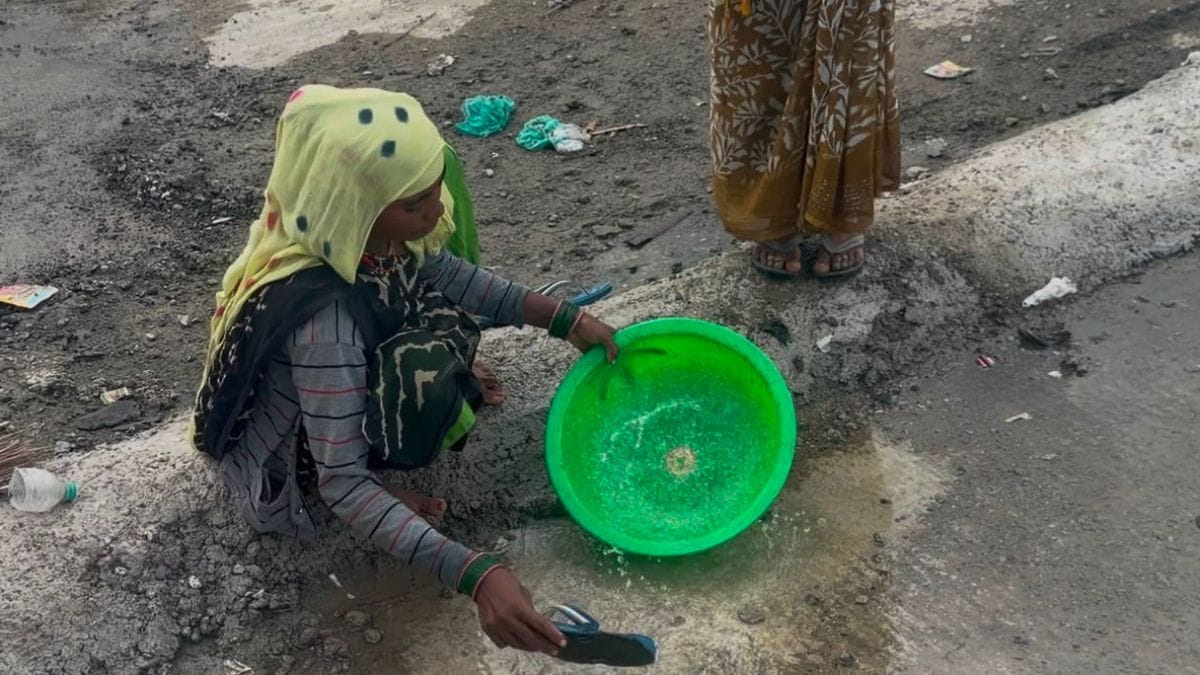
Water Stress Is Reshaping South Asian Urban Life

Before Ending Reservations, Ask Whether Caste Discrimination Has Ended

IIT Kanpur Study Finds Rural Tap Water Improves Lives
How Independent Are India's Marginalised Communities on Independence Day?

Pakistan’s Water Crisis Deepens Amid Political and Institutional Failures
Mohan Yadav Urges BJP Strategy Amid Congress Criticism, Development Plans
Mohan Yadav Accuses Congress of Vande Mataram Appeasement

MP BJP Criticises Congress Opposition to Ken-Betwa Project
Chitrakoot Floods: Over 60 Rescued As Mandakini Surges