

1 hr ago
Tata Sons Casting Vote Dispute Tests Chandrasekaran Reappointment
Tata Sons’ board met to decide whether N Chandrasekaran should remain chairman.
Chandrasekaran did not vote on his own reappointment.
Four directors supported him, while Noel Tata opposed the decision.
The company’s rules also require support from a majority of directors representing the Tata Trusts.
The two Tata Trusts nominees disagreed, so that requirement was not clearly met.
Harish Manwani then used a casting vote to break the tie.
The Tata Trusts may argue that this vote could only settle a tie among the full board.
Tata Sons may argue that the 2014 rule change allowed the chairman to settle ties among the Tata Trusts nominees too.
The final outcome depends on how Article 121 is interpreted.

N Chandrasekaran abstained from voting on his reappointment as Tata Sons chairman on September 17.
The other five directors voted 4-1 in favour, with Noel Tata dissenting.
Article 121 requires support from a majority of Tata Trusts-appointed directors present.
Harish Manwani used a casting vote after the Tata Trusts nominees split.
The dispute centers on whether Article 121 permits casting votes to resolve internal nominee ties.
- Who
- N Chandrasekaran, the Tata Sons board, the Tata Trusts nominee directors, and Harish Manwani are central to the dispute.
- What
- The dispute concerns whether Manwani validly used a casting vote to support Chandrasekaran’s reappointment as chairman.
- Where
- At a meeting of the Tata Sons board; no location is specified.
- When
- September 17; the year is not specified in the article.
- Why
- The board’s vote was divided, and the interpretation of Article 121 determines whether the casting vote could satisfy the Tata Trusts’ affirmative-vote requirement.
Tata Trusts’ Narrow Interpretation
Tata Sons’ Broader Interpretation
Scope of the casting vote
Tata Trusts’ Narrow Interpretation
The casting vote applies only to a tie at the full-board level and cannot overcome the failure of the Tata Trusts directors’ separate affirmative-vote threshold.
Tata Sons’ Broader Interpretation
The 2014 amendment may have implicitly extended the casting vote to ties among the Tata Trusts nominees as well.
Role of a non-nominee chairman
Tata Trusts’ Narrow Interpretation
The Tata Trusts would likely argue that an internal tie should not be decided by a chairman who is not one of their nominees.
Tata Sons’ Broader Interpretation
Tata Sons could contend that Article 121 gives the chairman a broader authority to resolve the voting deadlock.
Meaning of a casting vote
Tata Trusts’ Narrow Interpretation
A casting vote is conventionally a second vote used after a board-level equality and should not create the required Tata Trusts support where it is absent.
Tata Sons’ Broader Interpretation
The unchanged casting-vote language, together with the 2014 relaxation from unanimity to majority support, could support using the vote to resolve the nominee tie.
Key facts
- Board size
- Six directors
- Reappointment candidate
- N Chandrasekaran
- Board vote
- Four directors voted in favour and Noel Tata voted against; Chandrasekaran abstained.
- Relevant provision
- Article 121 of Tata Sons’ Articles of Association
- Tata Trusts requirement
- An affirmative vote from a majority of Tata Trusts-appointed directors present
- Casting vote
- Harish Manwani purported to break the tie between the Tata Trusts nominees
- 2014 amendment
- The requirement changed from support by all Tata Trusts directors to support by a majority of them
Quotes
Article 121 of Tata Sons’ Articles of Association
The Tata Sons constitutional provision governing board voting and casting votes
“Matters before any meeting of the Board which are required to be decided by a majority of the Directors shall require the affirmative vote of a majority of the Directors appointed pursuant to Article 104B present at the meeting and in the case of an equality of votes the Chairman shall have a casting vote.”
 financialexpress.com
Sources
Related news
Legal Opinions Back Chandrasekaran’s Third Tata Sons Term
Tata Trusts Challenge Chandrasekaran Reappointment Over Voting Rules
Tata Sons Reappointment Vote Triggers Article 121 Legal Dispute
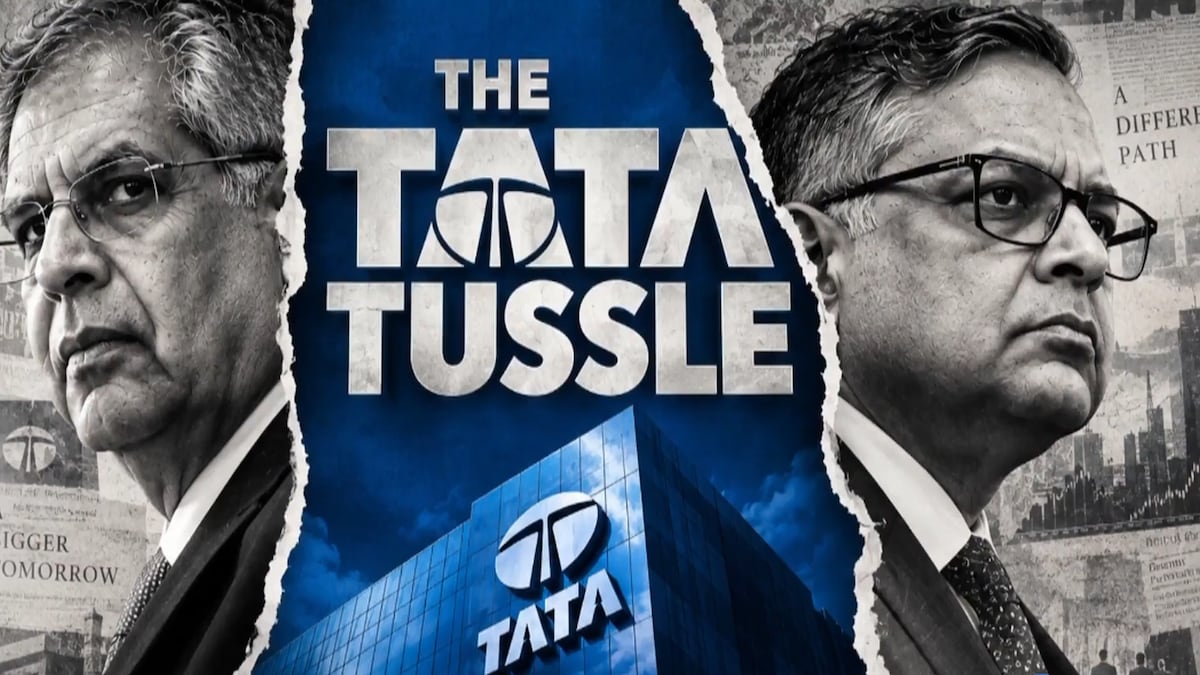
Tata Sons Governance Dispute Puts Voting Powers Under Scrutiny
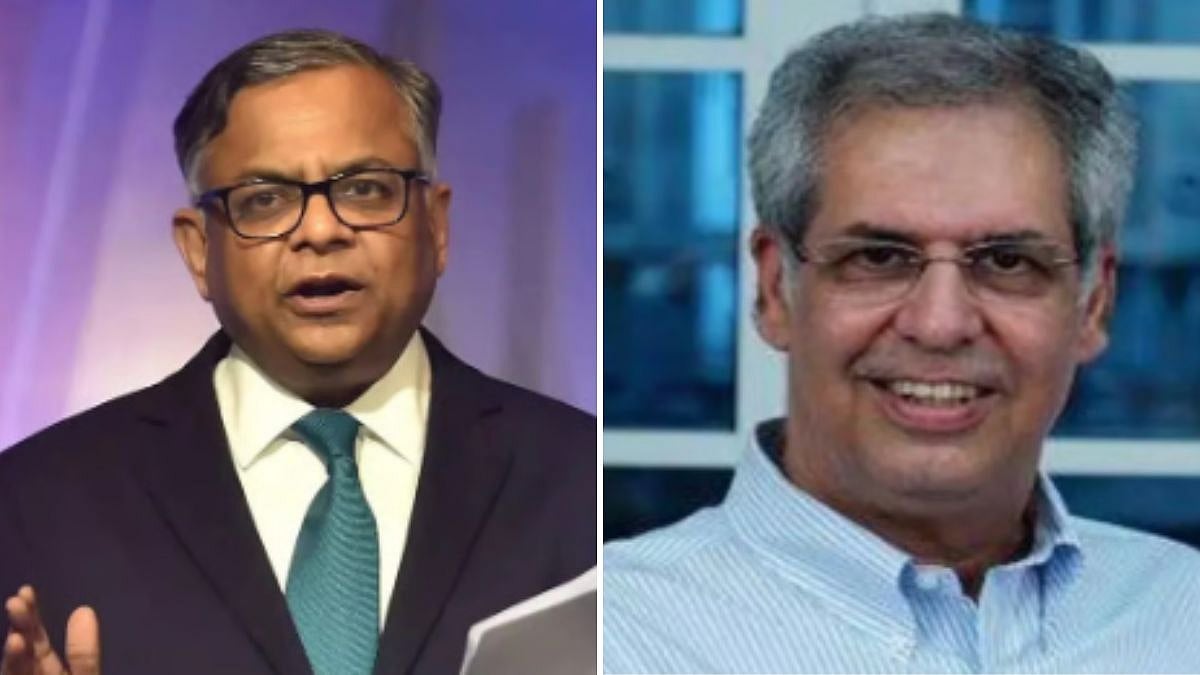
Tata Trusts Weighs Legal Challenge to Chandrasekaran Reappointment
Tata Sons Succession Row Centers on Articles and Chandrasekaran Reappointment
Tata Trusts Proposes Restructuring Tata Sons to Avoid Listing

Tata Trusts Propose Merger to Keep Tata Sons Private
Chandrasekaran Proposes University Blending Hindu Shastras With Modern Sciences
Tata Sons Board Battle Could Avoid Years of Litigation
