1 hr ago
Legal Opinions Back Chandrasekaran’s Third Tata Sons Term
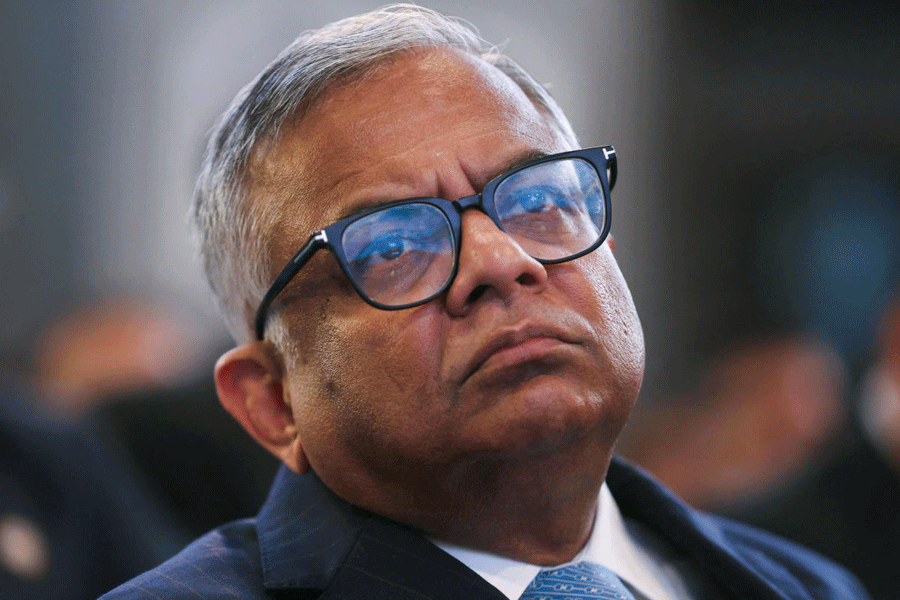
N Chandrasekaran has been chairman of Tata Sons since 2017.
Tata Sons wants to give him a third five-year term.
Some legal experts, including two former Supreme Court judges, say the process was valid.
They say the company did not need to use a Selection Committee because Chandrasekaran is already chairman.
They also say the chairman was allowed to use a casting vote when the relevant directors were tied.
Tata Trusts disagrees with this interpretation.
It says its two nominated directors did not both support the proposal and that there was no proper deadlock.
The disagreement is now focused on how Tata Sons’ Articles of Association should be interpreted.

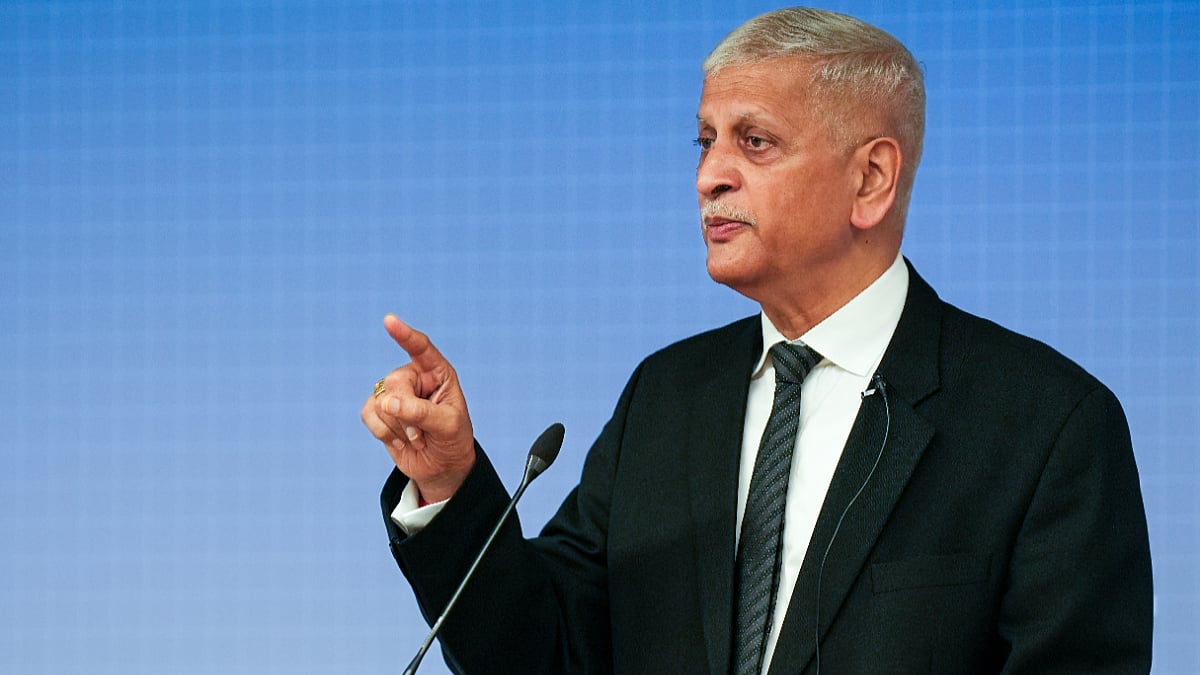
Former Supreme Court judges BN Srikrishna and Uday U Lalit said N Chandrasekaran’s proposed third term is legally valid.
The opinions say Tata Sons’ Selection Committee requirement applies to appointing a new chairman, not reappointing an incumbent.
They concluded that the chairman could use a casting vote under Article 121 after an equality of votes among relevant directors.
Tata Trusts, which owns about 66% of Tata Sons, argues its nominees’ split vote failed to provide the required affirmative support.
Chandrasekaran’s 2022 reappointment without a Selection Committee is being cited as precedent for the proposed term beginning in February 2027.
- Who
- Tata Sons, Tata Trusts, N Chandrasekaran, and legal experts including Justice BN Srikrishna and Justice Uday U Lalit.
- What
- A dispute over the validity of Chandrasekaran’s reappointment as Tata Sons chairman for a third five-year term.
- Where
- At the Tata Sons board level.
- When
- The disputed board resolution was dated September 17, 2026; the proposed term would begin after Chandrasekaran’s current term ends in February 2027.
- Why
- Tata Trusts challenges whether a Selection Committee was required and whether the chairman could use a casting vote to approve the reappointment.
Tata Sons and Supporting Legal Opinions
Tata Trusts’ Challenge
Selection Committee requirement
Tata Sons and Supporting Legal Opinions
Tata Sons’ legal opinions say Article 118 applies to selecting a new chairman, not extending or reappointing an incumbent.
Tata Trusts’ Challenge
Tata Trusts disputes the validity of the reappointment process and argues that the Articles’ requirements were not satisfied.
Chairman’s casting vote
Tata Sons and Supporting Legal Opinions
Srikrishna, Lalit, and Sarkar said Article 121 could permit the chairman’s casting vote when relevant directors, or the board as a whole, are tied.
Tata Trusts’ Challenge
Tata Trusts says there was no board-level deadlock and that a casting vote could not override the required affirmative support from Trust-nominated directors.
Venu Srinivasan’s vote
Tata Sons and Supporting Legal Opinions
Srikrishna said Srinivasan properly followed his statutory fiduciary duty to Tata Sons in supporting Chandrasekaran.
Tata Trusts’ Challenge
Tata Trusts maintains that the split between its two nominees meant the required support from Trust-nominated directors was not obtained.
Key facts
- Tata Trusts ownership
- About 66% of Tata Sons
- Current chairman
- N Chandrasekaran, chairman since 2017
- Current term
- Runs from February 21, 2022, to February 20, 2027
- Proposed third term
- Would begin after the current term expires in February 2027
- Relevant provisions
- Article 118 concerns selection of a new chairman; Article 121 concerns a chairman’s casting vote; Article 104B concerns certain appointed directors
- Legal opinions
- Opinions were provided by Justice BN Srikrishna, Justice Uday U Lalit, and Senior Advocate Sudipto Sarkar
- 2022 precedent
- Chandrasekaran’s second term was approved by the board without a Selection Committee
Quotes
Justice BN Srikrishna
Former Supreme Court judge who provided a legal opinion on the Tata Sons board resolution
“On a plain reading of Article 121, it can be said that the Chairman's casting vote can be invoked in either of the following situations: (i) where there is an equality of votes amongst the directors appointed pursuant to Article 104B; and (ii) where there is an equality of votes of the Board as a whole after taking into account the votes cast by all directors.”
 telegraphindia.com
“Upon there being equality of votes amongst the Directors appointed pursuant to Article 104B, there was certainly an occasion for the Chairman to have a casting vote.”
telegraphindia.com
 livemint.com
Sources

Related news
Tata Trusts Challenge Chandrasekaran Reappointment Over Voting Rules
Tata Trusts Weighs Legal Challenge to Chandrasekaran Reappointment
Tata Trusts Challenge Chandrasekaran Reappointment as Court Battle Looms
Tata Trusts Challenge Chandrasekaran’s Reappointment as Tata Sons Chairman
Tata Sons Succession Row Centers on Articles and Chandrasekaran Reappointment
Tata Sons Reappointment Vote Triggers Article 121 Legal Dispute
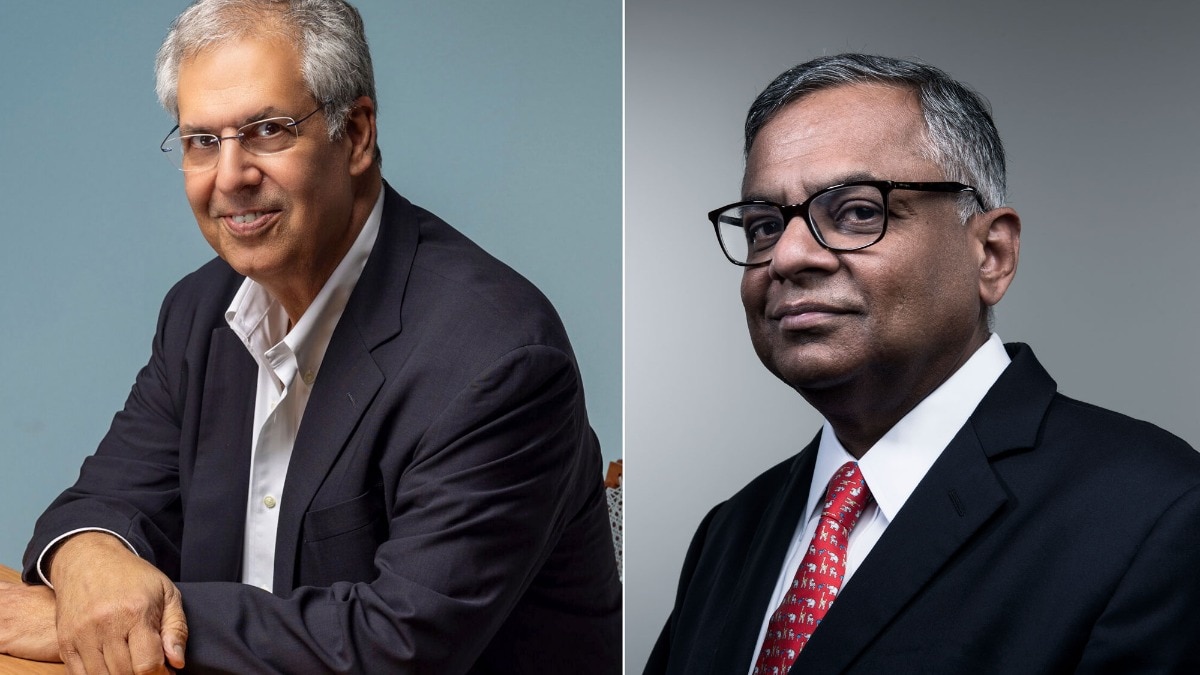
Tata Sons Rejects Noel Tata Objections Over Chandrasekaran Reappointment

Ex-CJI Lalit Calls Criminal Justice System 'Most Neglected'
Kapil Sibal's 'Dil Se' podcast marks 100 episodes, discusses threats to information
Heritage Foods Earns Golden Peacock Award for Corporate Governance; N. Bhuvaneswari Honored