1 hr ago
Tata Boardroom Battle Centers on Veto, Listing and Leadership

Tata Sons is having a disagreement about who has the power to approve important decisions.
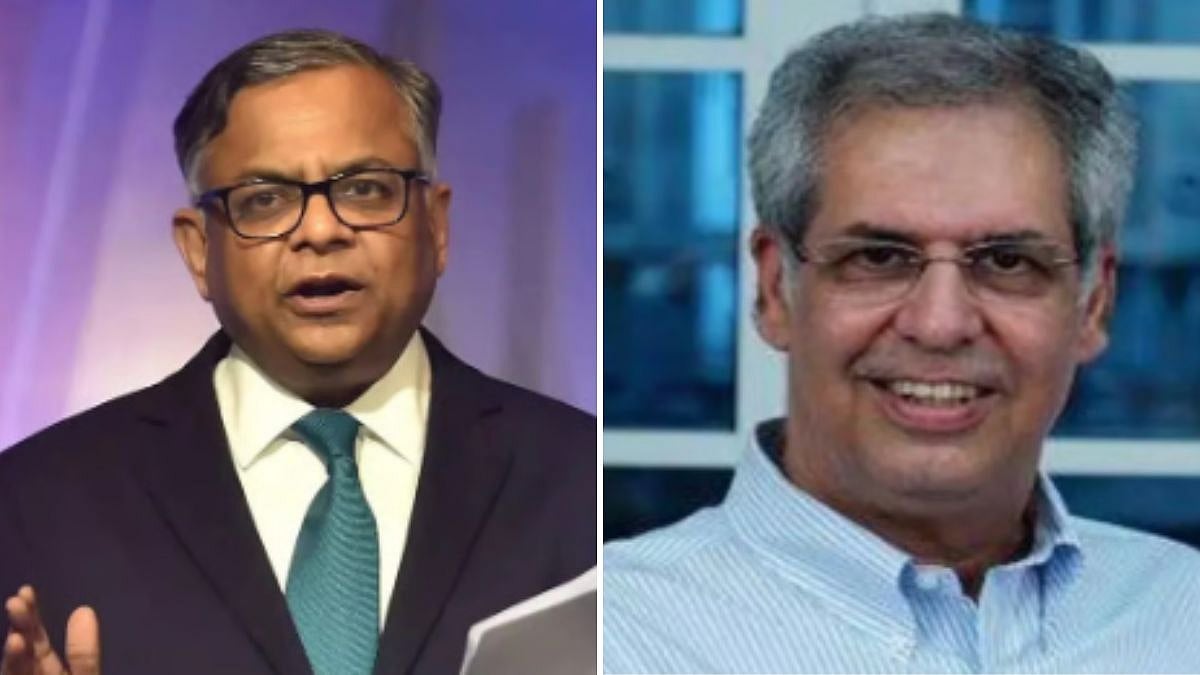
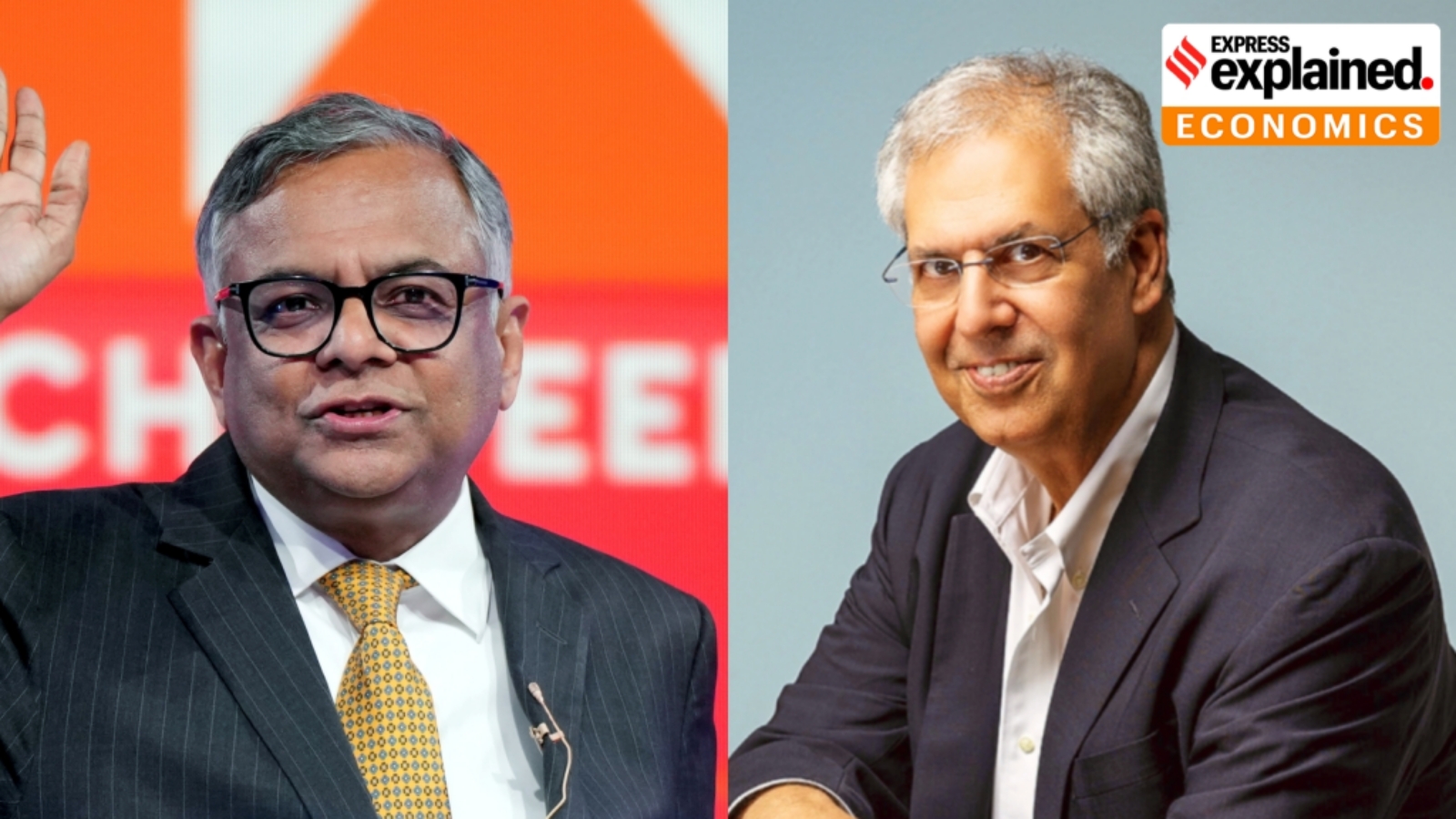
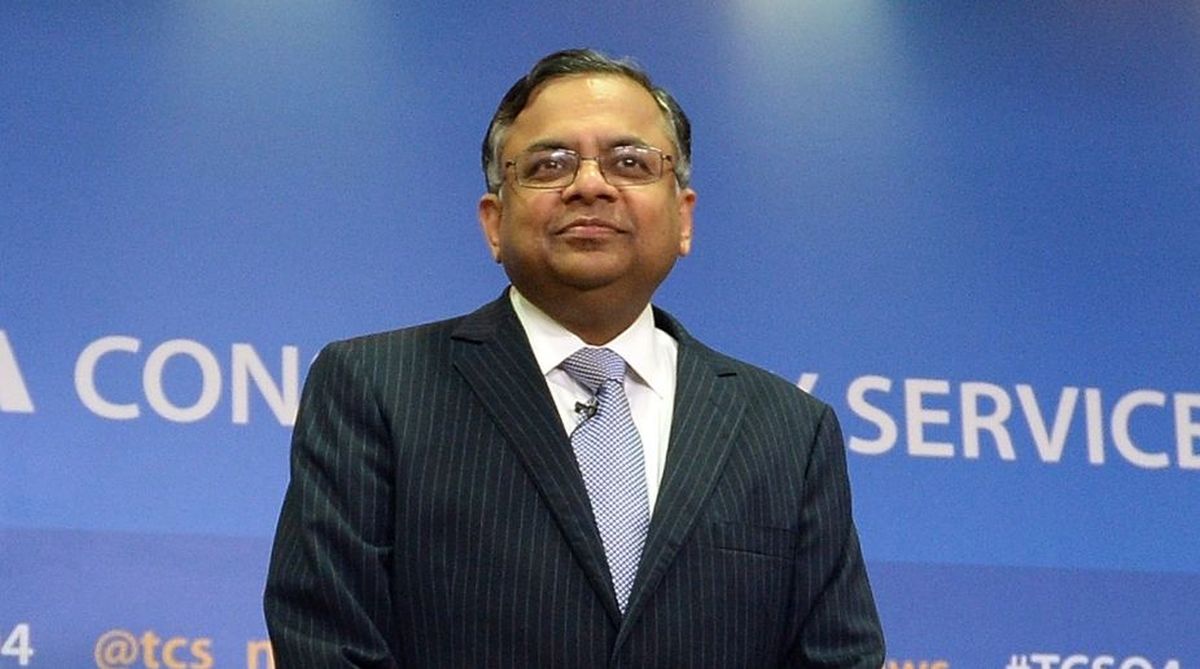
Its board voted to give N. Chandrasekaran another five-year term as chairman.
Noel Tata voted against that decision.
Tata Trusts says the company’s rules may require support from its nominated directors, even if most board members vote yes.
The disagreement also involves whether Tata Sons should be listed on the stock market.
Another question is whether regulatory requirements apply to Tata Sons as an Upper Layer NBFC.
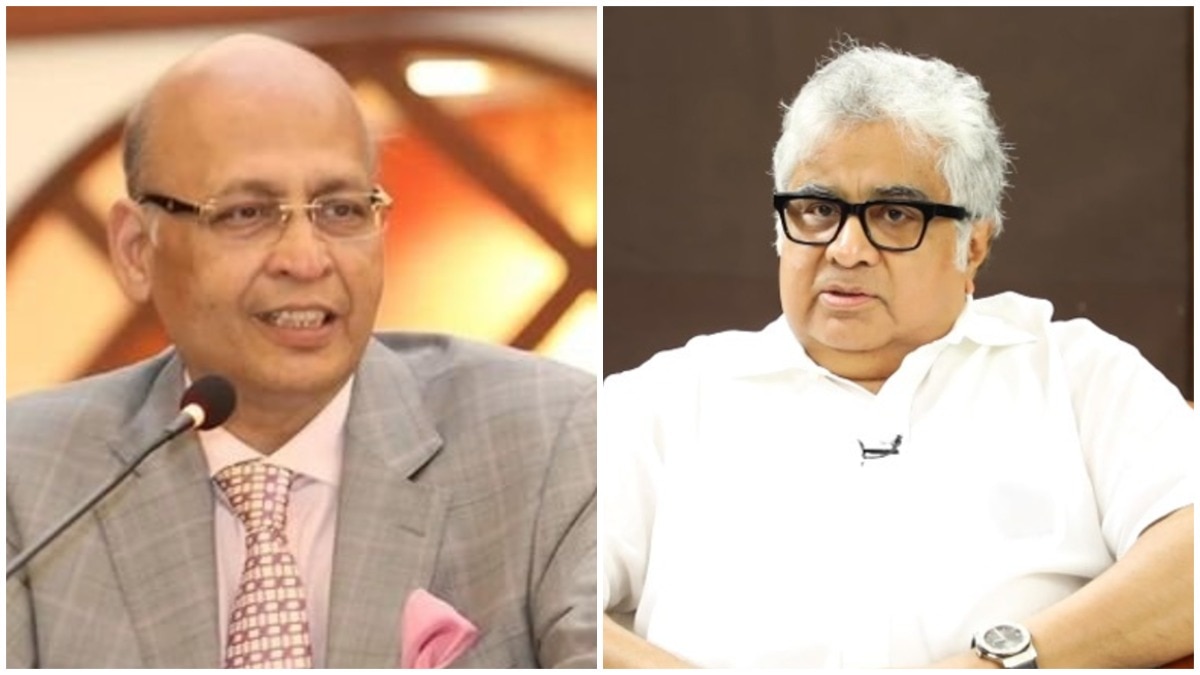
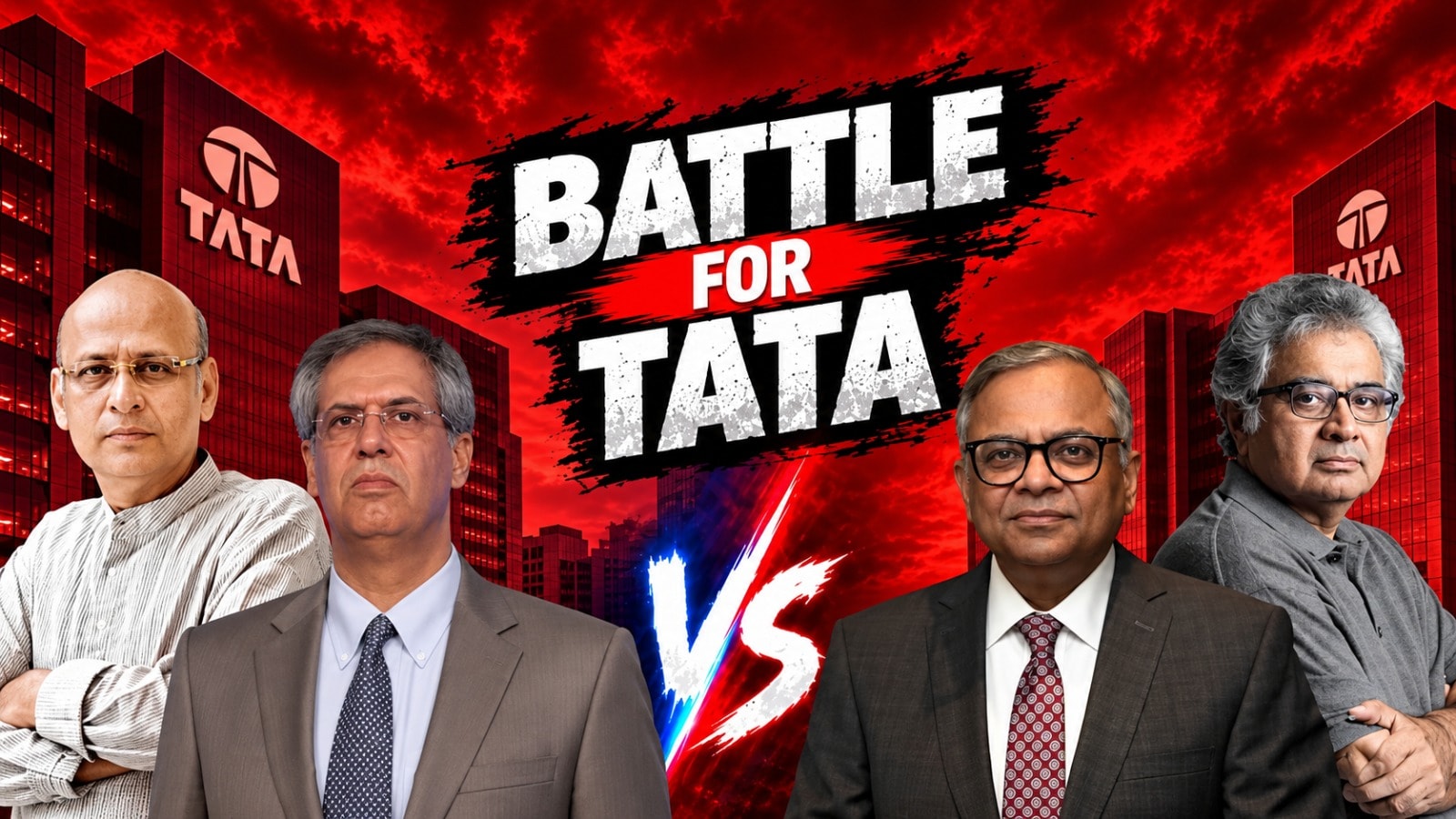
Lawyers Abhishek Manu Singhvi and Harish Salve are advising the two sides.
The final answer may depend on the company’s Articles of Association, company law and regulatory rules.

Tata Sons’ board voted 4–1 on September 17, 2026, to approve N. Chandrasekaran’s third five-year term beginning February 2027.
Noel Tata was the sole dissenting director and described the resolution as a “legal nullity.”
Tata Trusts argues that Article 121 requires affirmative support from a majority of Trust-nominated directors for certain decisions.
The dispute also covers Tata Sons’ proposed stock-market listing and regulatory requirements for an Upper Layer NBFC.
Tata Trusts retained Abhishek Manu Singhvi, while Tata Sons is advised by Harish Salve, intensifying the legal scrutiny.
- Who
- Tata Trusts, Tata Sons, Noel Tata, N. Chandrasekaran, and their legal advisers Abhishek Manu Singhvi and Harish Salve.
- What
- A dispute over Chandrasekaran’s leadership extension, Tata Trusts’ alleged voting rights, and Tata Sons’ proposed listing and regulatory obligations.
- Where
- Within the corporate governance and legal proceedings involving Tata Sons and Tata Trusts.
- When
- The board vote took place on September 17, 2026; the approved term would begin in February 2027.
- Why
- The sides disagree over the interpretation of Article 121, directors’ duties, the proposed listing, and the applicability of regulatory requirements to Tata Sons.
Tata Trusts’ Governance Position
Tata Sons’ Corporate and Regulatory Position
Validity of the board vote
Tata Trusts’ Governance Position
Tata Trusts argues that the Articles of Association require affirmative support from a majority of Trust-nominated directors, so a dissenting nominee could invalidate the decision.
Tata Sons’ Corporate and Regulatory Position
A numerical board majority may be sufficient unless the Articles contain a legally applicable veto or affirmative-consent requirement for the specific matter.
Listing and regulatory requirements
Tata Trusts’ Governance Position
Tata Trusts opposes or questions the proposed listing and maintains that the relevant governance and ownership rights must be respected.
Tata Sons’ Corporate and Regulatory Position
Tata Sons must comply with any mandatory regulatory requirements applicable to it as an Upper Layer NBFC, although it can challenge the applicability or legality of a regulatory direction.
Duties of nominee directors
Tata Trusts’ Governance Position
Trust-nominated directors may articulate the interests of the Trust that appointed them and rely on the rights attached to that nomination.
Tata Sons’ Corporate and Regulatory Position
Once appointed, directors owe duties to the company and its members as a whole, must exercise independent judgment, and cannot automatically place the nominator’s interests above the company’s interests.
Key facts
- Board vote
- Tata Sons’ board approved Chandrasekaran’s extension by a 4–1 vote.
- Dissent
- Noel Tata was the only director to vote against the resolution.
- Proposed term
- The third five-year term is scheduled to begin in February 2027.
- Tata Trusts’ stake
- Tata Trusts holds a 66% stake in Tata Sons, according to the article.
- Key provision
- Tata Trusts relies on Article 121 in arguing that Trust-nominated directors may have affirmative voting rights.
- Legal advisers
- Tata Trusts retained Abhishek Manu Singhvi; Tata Sons is advised by Harish Salve.
- Other disputed issue
- The parties also disagree over the proposed public listing of Tata Sons.
Quotes
Sonam Chandwani
Managing Partner at KS Legal and Associates who analyzed the Tata dispute.
“A nominee director may have been appointed by a particular Trust or shareholder, but once appointed, the director is a director of the company and is subject to the duties prescribed by Section 166 of the Companies Act.”
 livemint.com
“A 4–1 board vote does not necessarily end the matter if the Articles of Association confer a special right on a particular category of shareholder or director.”
livemint.com
Sources
Related news
Tata Sons Board and Trusts Clash Over Chandrasekaran’s Future
Tata Trusts Weighs Legal Challenge to Chandrasekaran Reappointment

Tata Trusts Challenge Chandrasekaran Reappointment as Court Battle Looms
Tata Sons Board Reappoints Chandrasekaran Amid Trusts Challenge
Tata Sons Board, Trusts Face Protracted Chairman and IPO Battle
Tata Sons Reappointment Vote Triggers Article 121 Legal Dispute

Supreme Court Allows Forensic Audit in Fortis-Daiichi Dispute
Tata Trusts, Tata Sons clash over governance and listing
Congress Challenges Election Commission Over Internal Decision-Making Dispute