2 hrs ago
GPS Study Reveals Wild Elephants’ Routes Across Assam
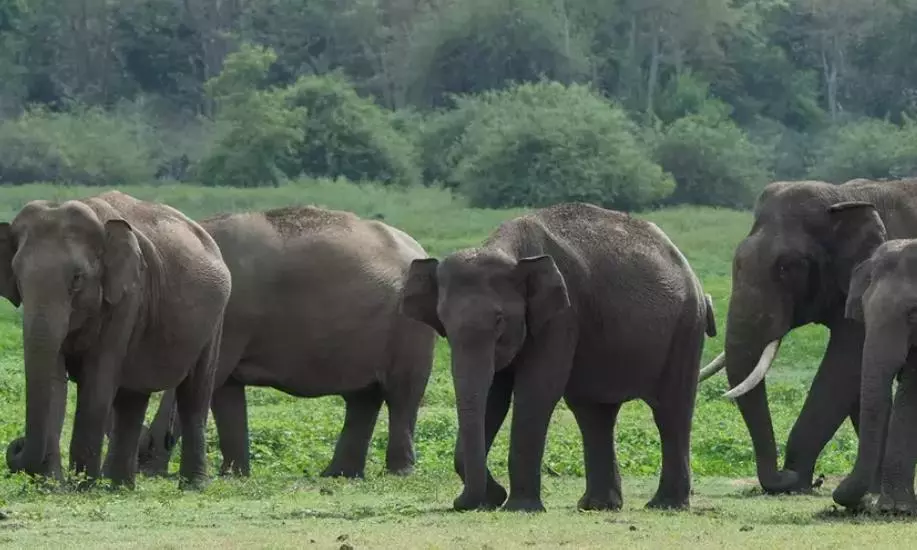
Researchers used GPS collars to learn where some wild elephants in Assam travel.
They tracked five elephants or herds for five years and collected more than 38,000 location records.
The elephants used forests and wildlife sanctuaries, but they also moved through tea plantations and farms.
These places can bring elephants close to people.
Their home ranges grew during the paddy cropping season, when conflict was high.
Some elephants travelled along rivers between foothill forests and grasslands.
One group of routes linked Assam with a wildlife sanctuary in Bhutan.
The study gives conservation planners information that may help protect elephant routes and reduce danger for people and wildlife.

A five-year GPS study by the Assam Forest Department and WWF-India tracked four female-led herds and one solitary male in Assam.
Researchers collected more than 38,000 GPS locations between 2021 and 2026 in Udalguri, Sonitpur and Biswanath districts.
Sonai Rupai, Behali and Bornadi wildlife sanctuaries were among the key habitats used by the collared elephants.
Elephants also used tea plantations, farmland and river channels, bringing them near people and expanding their ranges during paddy season.
Recorded dry-season movements between Udalguri and Bhutan’s Jomotsangkha Wildlife Sanctuary point to a need for cross-border corridor coordination.
- Who
- The Assam Forest Department and WWF-India conducted the study, tracking four female-led herds and one solitary male elephant.
- What
- A GPS study mapped elephant movements and habitat use across Assam’s mixed-use landscapes.
- Where
- The tracked elephants ranged in Udalguri, Sonitpur and Biswanath districts of Assam, with recorded dry-season movements to Bhutan’s Jomotsangkha Wildlife Sanctuary.
- When
- Tracking took place between 2021 and 2026; the report was released on Tuesday during the 72nd Wildlife Week celebrations.
- Why
- The findings are intended to inform conservation planning, protect movement routes and support safer coexistence between people and elephants.
Key facts
- Study period
- 2021–2026
- Tracking sample
- Four female-led herds and one solitary male elephant
- GPS data
- More than 38,000 locations
- Study districts
- Udalguri, Sonitpur and Biswanath
- Key habitats
- Sonai Rupai, Behali and Bornadi wildlife sanctuaries
- Recorded large ranges
- Mynow: about 890 sq km annually; Bishu: about 947 sq km
- Cross-border movement
- Dry-season movements were recorded between Udalguri and Bhutan’s Jomotsangkha Wildlife Sanctuary.
- Report
- Tracking the Giants: Movement and Habitat-Use Patterns of GPS-Collared Elephants in Assam
Quotes
Vinay Gupta
Principal Chief Conservator of Forests (Wildlife) and Chief Wildlife Warden
“This report fills a major knowledge gap on elephant presence and movement in the state. The findings provide important baseline information on ranging patterns, particularly where they overlap with human land use. This will help formulate conservation strategies and strengthen coexistence measures”
 deccanchronicle.com
Sources
Related news

Elephant Families Preserve Cross-Border Routes Through Generations
Deforestation Fragments Forests, Wildlife Movement and Human Conflict

UP Farmers Try Turmeric to Reduce Elephant Crop Losses

Tyre Removed From Wild Elephant’s Neck in Assam

Elephants Called Forest Civil Engineers Amid North Bengal Conflict

North Bengal Elephant Alert App Links Communities To Early Warnings

Pune Namghar Inauguration Celebrates Assam-Maharashtra Cultural and Spiritual Ties

Assam Forms Expert Panels to Strengthen Environmental Clearances
Kaziranga Reopens for 2026–27 Season With Jeep Safaris

Amritsar Court Allows Amritpal Singh One-Time Call to Grandmother