26 mins ago
Deforestation Fragments Forests, Wildlife Movement and Human Conflict
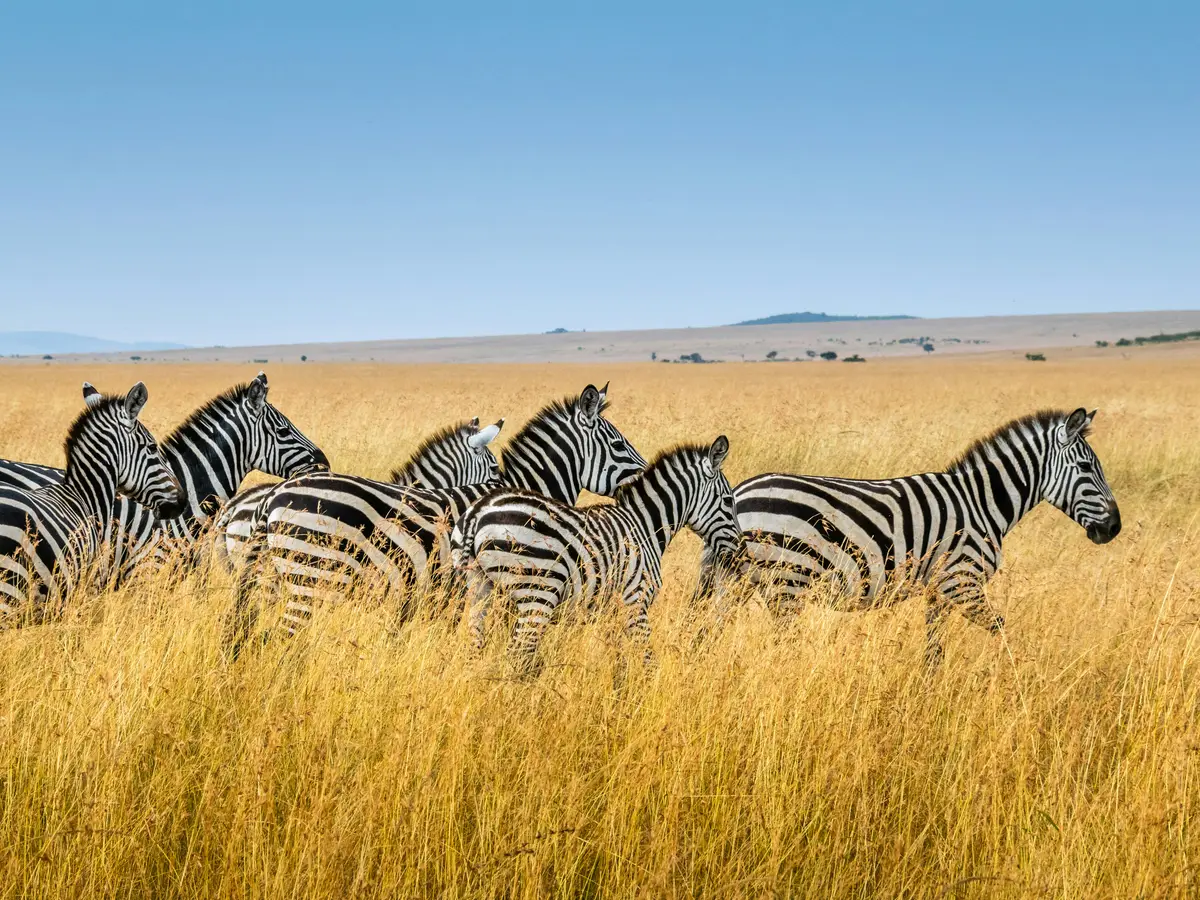
Forests are like large homes and roads for wild animals.
When people cut down forests, the remaining forest areas can become separated.
Animals then have less space to find food, mates and safe places to raise young.
Some animals must travel through farms, villages or towns.
This can cause dangerous encounters between people and wildlife.
Elephants in India and leopards near forest reserves are examples of animals changing where they move.
Conservationists build wildlife corridors to reconnect separated forests.
In Banff National Park, crossing structures have reduced wildlife-vehicle collisions by more than 80 percent.
These connected routes help animals travel more safely.

Forest clearing for agriculture and infrastructure creates isolated woodland patches and restricts wildlife movement.
More than 70 percent of the world’s remaining forests lie within one kilometre of a forest edge, according to a Science study.
Forest elephants in the Congo Basin have lost parts of their migration routes, limiting access to food and breeding areas.
Shrinking habitats are pushing elephants and leopards into villages, towns and agricultural areas, increasing human-wildlife conflict.
Wildlife corridors and crossing structures, including those in Banff National Park, can help animals move safely and reduce vehicle collisions.
- Who
- Wildlife species, conservationists, farmers and communities near forests are affected.
- What
- Deforestation is fragmenting habitats, restricting wildlife movement and increasing encounters between animals and people.
- Where
- The issue is global, with examples from the Congo Basin, India and Banff National Park in Canada.
- When
- The changes occur as global forest cover continues to diminish; no specific date is given.
- Why
- Forests are being cleared for agriculture, infrastructure and commercial logging, removing travel routes and breeding habitats.
Key facts
- Forest-edge exposure
- More than 70 percent of the world’s remaining forests are within one kilometre of a forest edge, according to a study published in Science.
- Affected species
- Examples include forest elephants, tigers and leopards.
- Congo Basin
- Commercial logging has removed parts of forest elephants’ traditional migration routes.
- Human-wildlife conflict
- Elephants in India may enter tea estates and villages, while leopards are increasingly seen in towns bordering forest reserves.
- Banff crossings
- Parks Canada reports that 44 wildlife crossing structures in Banff National Park reduced wildlife-vehicle collisions by more than 80 percent.
- Wildlife corridors
- Corridors connect fragmented forests and help animals cross human-made barriers such as motorways.
Sources
Related news
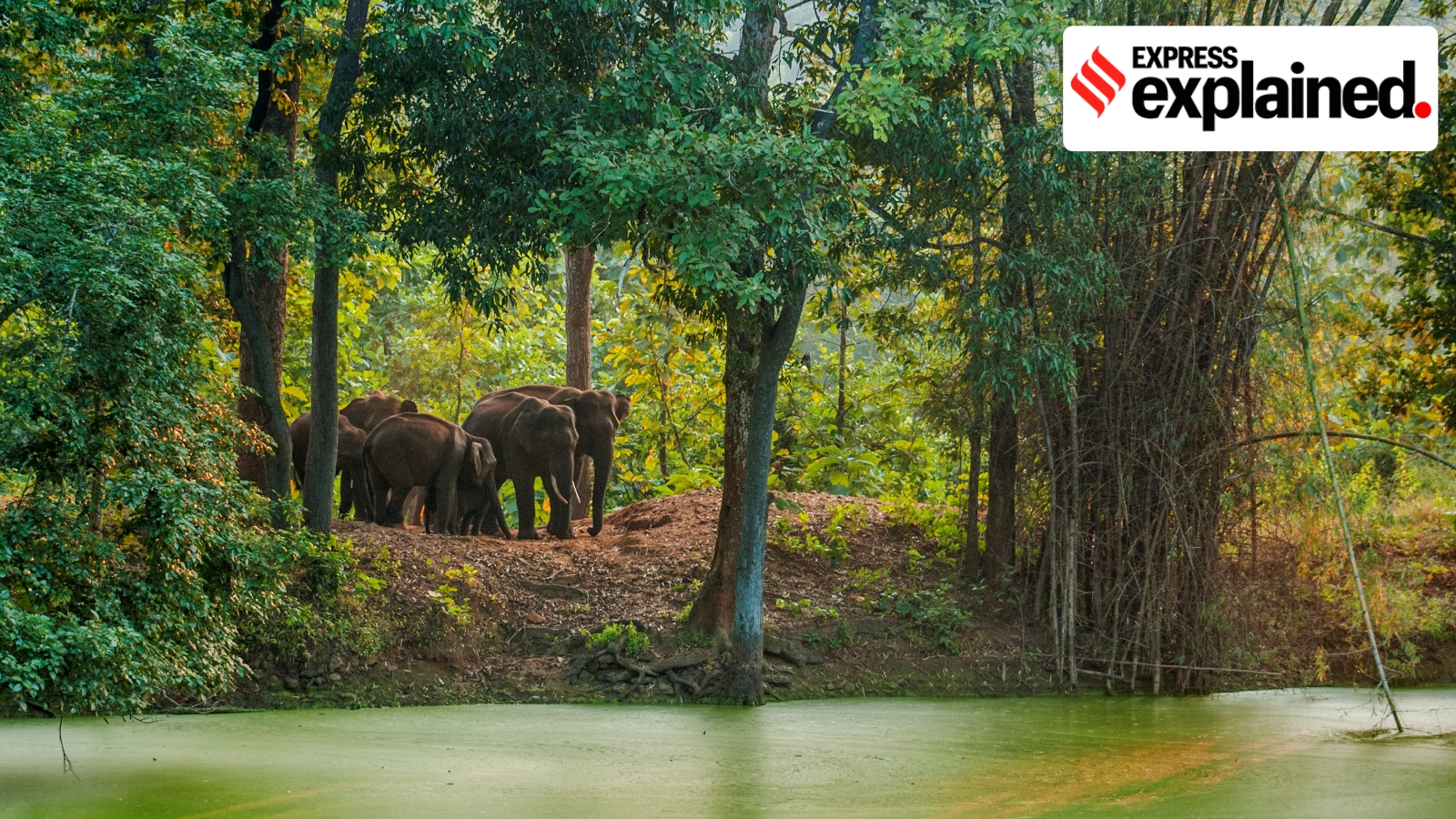
Why Elephant Corridors Matter as Disruptions Intensify Human Conflict
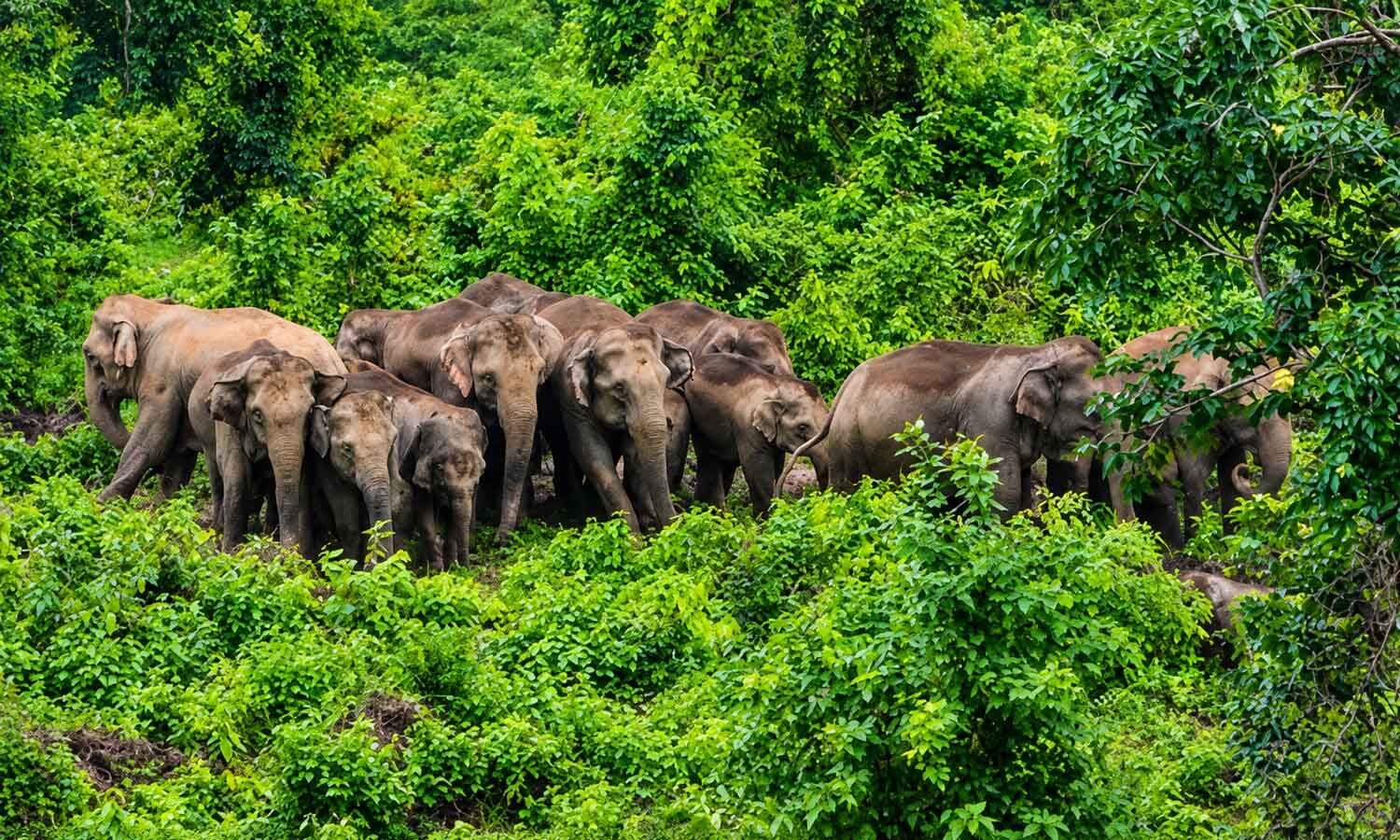
Tamil Nadu Notifies Three Elephant Corridors Near Karnataka Border

Supreme Court: States can't block elephant corridors over crop damage

Supreme Court Orders Elephant Corridor Survey as Ramesh Flags Destruction
WII Begins Three-Year Study as MP Elephant Population Nears 100

Wild elephants damage gardens near homes in Sullia taluk

Dusking: The New Travel Trend
Banff Trail Riders: Experiencing the Canadian Rockies by Horseback