

1 hr ago
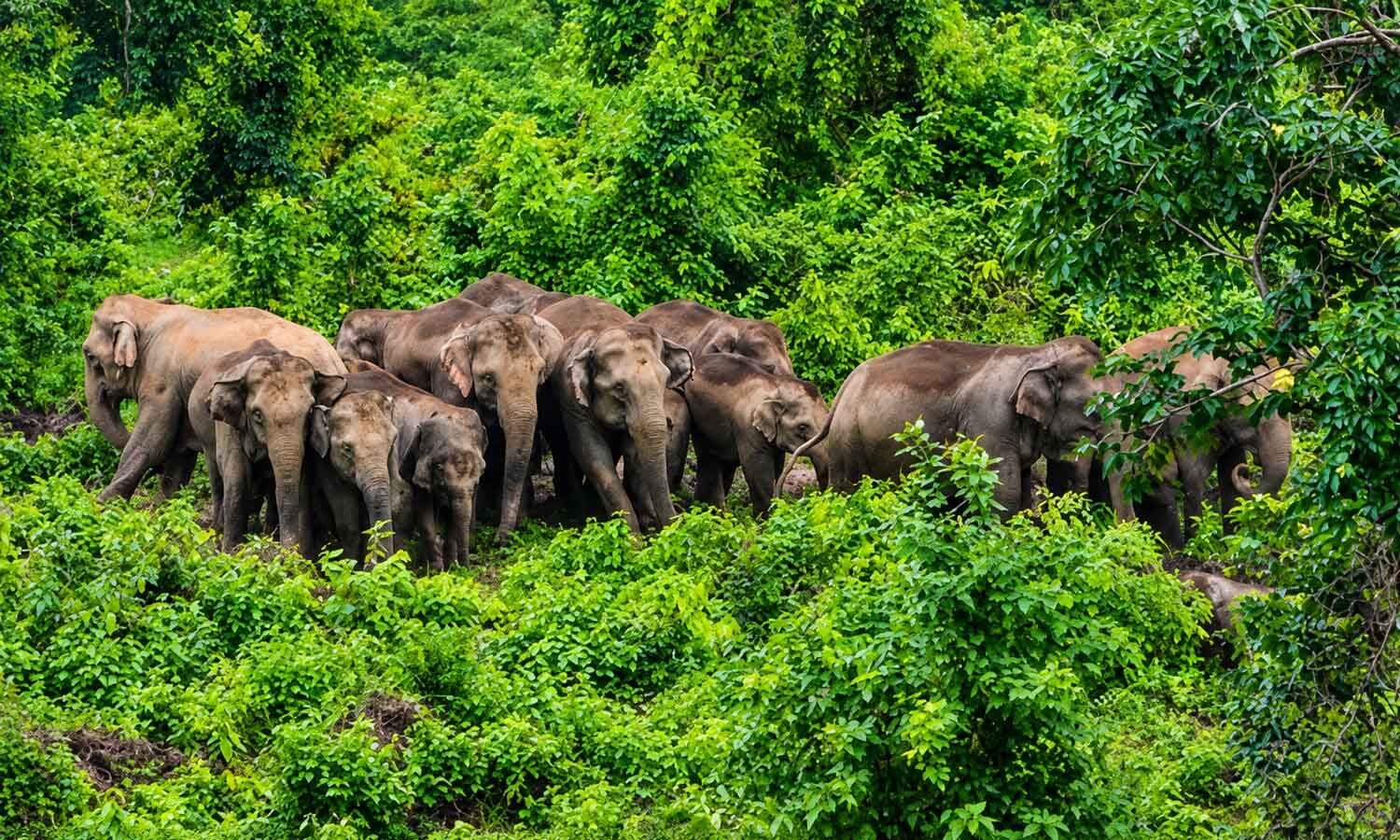
Elephants Called Forest Civil Engineers Amid North Bengal Conflict

A forest official said elephants help build and maintain healthy forests.
Their large feet make paths that many animals and people can use.
Elephants also eat many plants and spread seeds in their dung.
This helps new plants grow in different places.
Their movement can change small waterways and create open spaces for other animals.
But elephants often leave forests to find food.
When they enter villages or cross railway tracks, people and elephants can be harmed.
People living near forests have faced deaths, injuries and crop losses.
The official hopes understanding elephants’ helpful role will encourage people to protect them and reduce conflict.

Jaldapara DFO Parveen Kaswan described elephants as the “civil engineers of the forest” on Engineers’ Day.
Elephant-made trails are used by deer, gaurs, rhinos, tigers and people to move through forests and grasslands.
Elephants spread seeds through dung, helping forest regeneration, plant connectivity and biodiversity.
Their movement through streams, wetlands and forests can influence water flow and create natural openings.
Elephant movements through villages, towns, railway tracks and corridors have contributed to fatalities, injuries and crop losses.
- Who
- Parveen Kaswan, Divisional Forest Officer of Jaldapara National Park, and elephants.
- What
- Kaswan highlighted elephants’ role in shaping forests while acknowledging the continuing human-elephant conflict.
- Where
- Jaldapara National Park and the forests, foothills and elephant corridors of North Bengal, including the Terai and Dooars.
- When
- On Engineers’ Day, Tuesday.
- Why
- To increase appreciation of elephants’ ecological importance and help reduce conflict with people.
Ecological Protection Perspective
Human Impact Perspective
Role of elephants
Ecological Protection Perspective
Elephants create trails, disperse seeds, influence water flow and make openings that benefit forests and other species.
Human Impact Perspective
Their movement beyond forests into villages, towns and across railway tracks can endanger nearby communities.
Conservation priorities
Ecological Protection Perspective
Greater understanding of elephants’ ecological role may build appreciation and support stronger protection.
Human Impact Perspective
People living close to forests have experienced fatalities, injuries and crop losses as elephant movements continue.
Key facts
- Official
- Parveen Kaswan, Divisional Forest Officer, Jaldapara National Park
- Ecological description
- Elephants were described as the “civil engineers of the forest” and “nature’s farmers.”
- Food intake
- An adult elephant eats well over 100 kilograms of leaves, bark, fruits, grasses and twigs daily.
- Forest benefits
- Elephant trails support movement, while seed dispersal helps forests regenerate and supports biodiversity.
- Movement routes
- Elephants use traditional corridors through the Terai and Dooars foothills between forests extending toward Nepal, Bengal and Assam.
- Human costs
- People living near forests have suffered fatalities, injuries and crop losses.
Quotes
Parveen Kaswan
Divisional Forest Officer of Jaldapara National Park
“Every forest walk reveals how they quietly reshape the landscape. Their massive feet create and maintain trails that are later used by deer, gaurs, rhinos, tigers, and even people. These pathways improve movement through dense forests and grasslands”
 thestatesman.com
“Do you know that elephants are the civil engineers of our forests?”
thestatesman.com
Sources
Related news

North Bengal’s Elephants Reveal a Fraught Human-Wildlife Relationship

Deforestation Fragments Forests, Wildlife Movement and Human Conflict

Why Elephant Corridors Matter as Disruptions Intensify Human Conflict
Tamil Nadu Notifies Three Elephant Corridors Near Karnataka Border

Northeast Frontier Railway, Assam Coordinate to Protect Elephants

Wild Elephant Dies After Contact With Live Fence in Latehar

Chief Minister to Attend Two Alipurduar Wildlife Programmes

Siliguri Bus Terminus Adds Dormitories, Lounge Ahead of Festive Rush

Rhino Calf Rescued Near Jaldapara After Tea Garden Straying
